

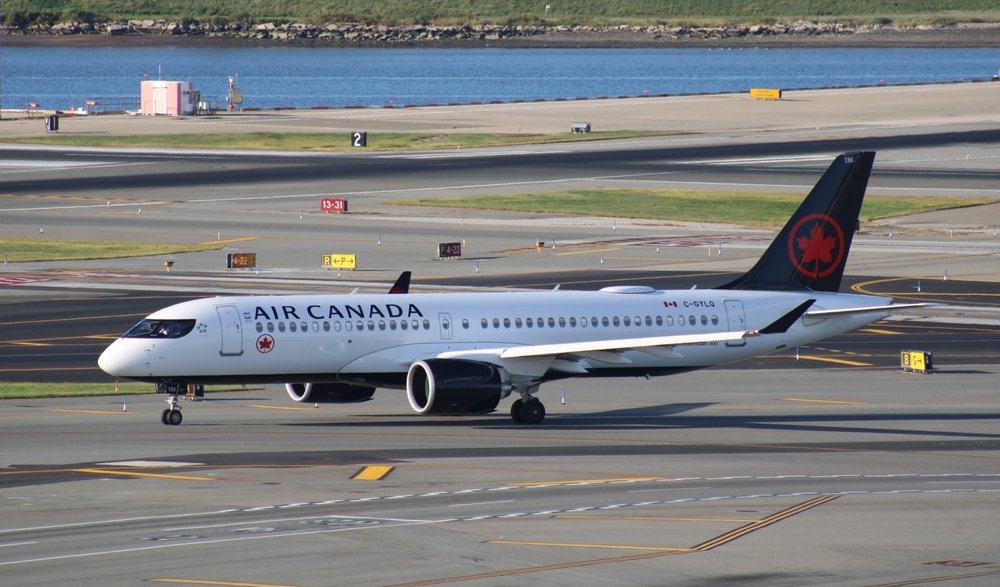
The aviation industry is experiencing a significant shift as airlines increase baggage fees in response to unprecedented jet fuel price surges. Canadian carriers Air Canada and WestJet have recently announced substantial hikes to their checked baggage fees, signaling a broader industry trend that will impact millions of travelers across North America.
Dramatic Changes in Airline Fee Structures
Air Canada’s latest announcement represents one of the most significant updates to its fare structure in recent years, taking effect April 13. Passengers traveling on Economy Basic, Standard, and Flex fares now face a CAD $45 charge for their first checked bag—a substantial CAD $10 increase from previous rates. Second bag fees have risen to CAD $60, affecting domestic flights within Canada as well as international routes to the United States, Mexico, the Caribbean, and Central America.
The impact extends beyond just the base fee increases. Air Canada’s new pricing structure affects approximately 85% of the airline’s passenger traffic, making this one of the most widespread fee adjustments in the carrier’s history. Business travelers, who frequently check multiple bags for extended trips, will feel the most significant impact from these changes.
WestJet followed with its own announcement on April 23, implementing a CAD $5 increase for prepaid checked luggage. However, the airline’s fee structure proves more complex, with first bag costs ranging from CAD $45 to CAD $65 depending on the route and booking class. Second bag fees span an even wider range, from CAD $60 to CAD $83.
Perhaps most concerning for budget-conscious travelers is WestJet’s new airport payment penalty. Passengers who choose to pay baggage fees at the airport now face an additional CAD $10 surcharge, potentially bringing first bag costs to a minimum of CAD $94. This policy change strongly encourages advance planning and online payment, fundamentally altering how travelers approach trip preparation.
Industry Response to Escalating Operational Costs
These baggage fee increases reflect a strategic response to mounting financial pressures across the aviation sector. The Argus US Jet Fuel Index reveals alarming trends, with spot jet fuel prices now ranging between $4.23 and $4.81 per gallon at major hubs. This represents nearly a 100% increase from the approximately $2.50 per gallon rates recorded before recent geopolitical tensions intensified global energy markets.
Aviation industry analyst Sarah Mitchell explains the broader implications: “These fee adjustments represent a critical survival mechanism for airlines facing unprecedented operational cost increases. Fuel typically accounts for 20-30% of an airline’s operating expenses, so when those costs nearly double, carriers must find alternative revenue streams to maintain profitability.”
The timing of these announcements coincides with the peak spring travel booking season, when airlines traditionally see increased demand for leisure travel. This strategic timing allows carriers to implement higher fees when passenger booking momentum remains strong, despite the additional costs.
Significant Impact on Traveler Budgets and Behavior
For travelers, these increased fees necessitate a fundamental reassessment of travel budgeting strategies. A family of four taking a week-long vacation could now face nearly CAD $200 in additional baggage costs compared to pre-increase rates. This represents a significant portion of many travelers’ discretionary spending budgets.
Travel consultant Mark Rodriguez observes changing passenger behavior: “We’re seeing more clients consider carry-on only trips, invest in lightweight luggage, and even choose different airlines based on baggage policies rather than flight schedules or destinations.”
The changes are also driving increased interest in airline credit cards and loyalty programs that offer baggage fee waivers as primary benefits. Premium fare classes that include checked baggage are experiencing renewed demand as the value proposition becomes more attractive relative to basic economy options.
Industry Outlook and Future Implications
Aviation experts anticipate further airline fee adjustments if fuel costs remain elevated through the remainder of 2024. Airlines are closely monitoring geopolitical developments that could impact global energy markets, with contingency plans for additional pricing structure modifications.
The trend extends beyond Canadian carriers, with major US airlines expected to announce similar increases in the coming months. This coordinated approach suggests industry-wide acceptance that traditional fare increases alone cannot offset current operational cost pressures.
As the aviation industry navigates these challenging economic conditions, travelers must adapt to a new reality where ancillary fees play an increasingly important role in total trip costs. Strategic planning and awareness of airline fee structures will become essential skills for cost-conscious travelers in 2024 and beyond.
Sources
Information compiled from Air Canada and WestJet official announcements, Argus US Jet Fuel Index data, and industry analyst reports.

