

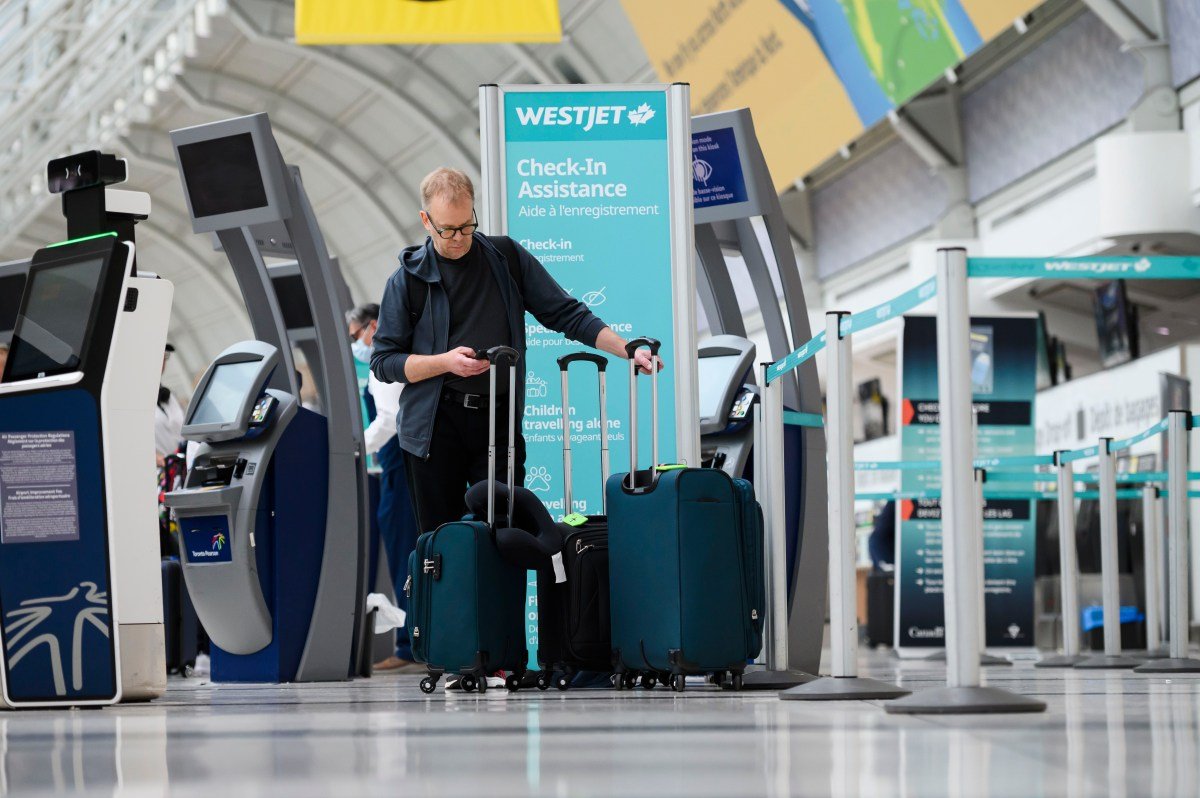
WestJet Baggage Fee Increase Announced Amid Rising Fuel Costs
Canadian airline passengers are set to feel the pinch as WestJet announces significant baggage fee increases, effective April 23, 2026. The airline’s decision marks its third such amendment in as many years, coinciding with escalating fuel costs globally that have reached unprecedented levels. These changes mirror a similar stance taken recently by Air Canada, underlining an industry-wide response to fluctuating fuel expenses that have challenged airline profitability across North America.
Comprehensive Fee Structure Changes Hit Multiple Categories
WestJet’s latest fee adjustment means passengers will encounter a $10 increase on their first and second checked bags if paid at the airport, bringing total costs to between $45-55 for standard checked luggage. Travelers who plan ahead by paying through the airline’s website face a more modest $5 increase per bag, though this still represents a 15% jump from previous rates. The most significant increases affect oversized, overweight, and excess baggage fees, which soar by $50, potentially reaching as high as $168 for heavy or bulky items.

“The changes reflect current industry conditions, with jet fuel costs representing nearly 35% of our operational expenses,” a WestJet spokesperson explained. This move aligns with global trends of airlines adjusting pricing structures to cushion the blow of rising fuel costs—aiming to ease operational pressure without dramatically impacting base ticket prices. Industry analysts note that fuel hedging strategies have provided limited protection against the current volatility.
Industry-Wide Response to Economic Pressures
The baggage fee increases come at a challenging time for Canadian airlines, with both WestJet and Air Canada implementing fuel surcharges on select international flights while managing increased operational costs across multiple fronts. These strategic adjustments reflect broader economic pressures facing the aviation sector, including airport infrastructure fees, regulatory compliance costs, and post-pandemic recovery expenses that continue to strain airline budgets.
Canadian airlines are particularly vulnerable to fuel price fluctuations due to their extensive domestic route networks, which require significant fuel consumption across vast geographical distances. The timing of these baggage fee increases coincides with peak summer travel season preparations, when airlines typically see their highest passenger volumes and baggage handling requirements.
Traveler Impact and Cost Mitigation Strategies
For passengers looking to minimize the impact of these baggage fee increases, several practical strategies can provide meaningful savings. Pre-payment of baggage fees through WestJet’s website or mobile app offers the most immediate cost reduction, saving $10 per bag compared to airport check-in fees. Travel experts recommend considering baggage shipping alternatives for extended trips, which may prove more economical than airline fees for heavy or multiple bags.
Loyalty program members may find some relief through existing benefits, though WestJet has indicated that fee structures for elite status holders will also see modest adjustments. The airline’s credit card partnerships continue to offer some baggage fee waivers, though these benefits may become more restrictive as operational costs rise.
Future Outlook and Strategic Implications
The long-term implications of WestJet’s baggage fee increases extend beyond immediate cost impacts, signaling a fundamental shift in how Canadian airlines structure their revenue models. Industry forecasters predict that ancillary fees will continue growing as a percentage of total airline revenue, potentially reaching 25% of total income by 2027.

Consumer behavior patterns suggest that while initial resistance to fee increases is common, passenger loyalty to preferred carriers often surpasses concerns over additional costs, particularly for business travelers and frequent flyers. However, leisure travelers may increasingly turn to ultra-low-cost carriers or adjust their travel patterns to minimize baggage requirements.
As fuel market volatility continues reshaping airline operational strategies, travelers should prepare for potential additional adjustments throughout 2026. The ongoing evolution of airline pricing models emphasizes the importance of staying informed about fee structures and developing flexible packing strategies to navigate the changing landscape of air travel economics effectively.

