


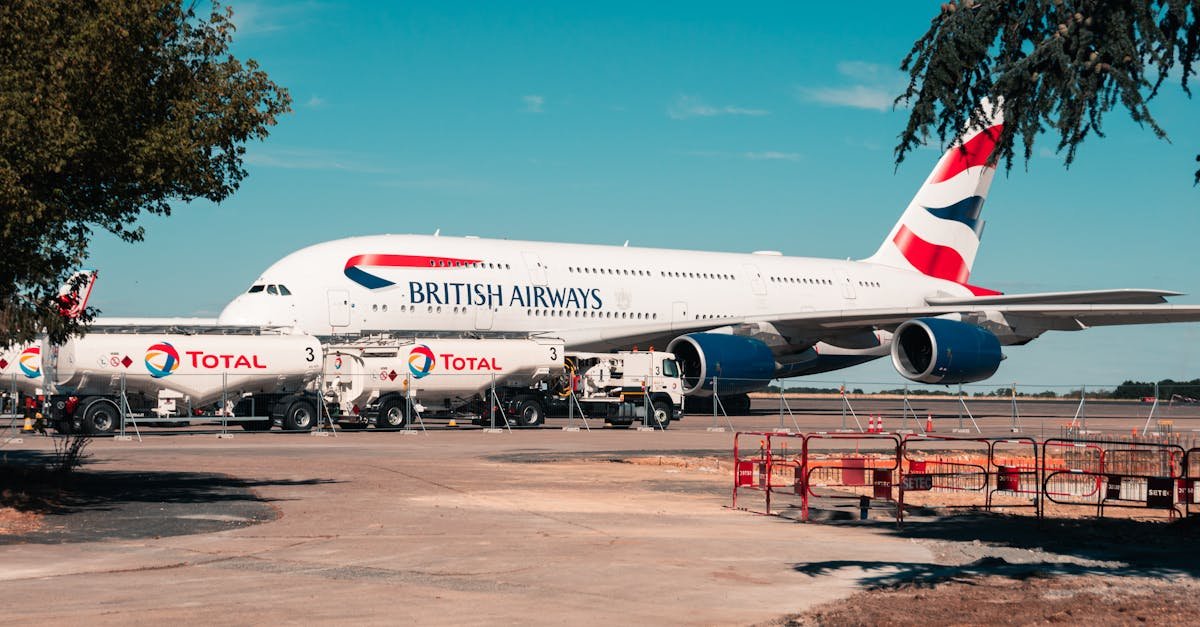
Major airports across Italy, including Venice (VCE), Milan Linate (LIN), Treviso (TSF), and Bologna (BLQ), have begun implementing severe jet fuel restrictions that are sending shockwaves throughout the European aviation industry. These unprecedented measures are raising urgent concerns about potential widespread flight disruptions and a domino effect that could impact airports across the continent during the crucial summer travel season.
Critical Supply Chain Disruptions Spread Across Europe
The jet fuel restrictions represent more than isolated operational challenges – they signal a broader crisis affecting Europe’s aviation fuel infrastructure. Industry analysts report that similar restrictions are being considered at airports in France, Germany, and the Netherlands, as fuel suppliers struggle to meet demand amid global supply chain pressures. The European Aviation Safety Agency has issued preliminary advisories to airlines operating within the region, recommending enhanced fuel planning and contingency measures.
Geopolitical Tensions Intensify Supply Challenges
The root causes of these fuel shortages trace back to escalating geopolitical instability, particularly tensions surrounding the Strait of Hormuz, a critical chokepoint for global oil shipments. This strategic waterway handles approximately 20% of the world’s petroleum liquids transit, making any disruption catastrophic for global fuel supplies. Aviation expert John Gradek points to the International Energy Agency’s stark warning issued six weeks ago, which highlighted the alarming depletion of Europe’s strategic jet fuel reserves.
“Certain regions in Western Europe could face complete fuel exhaustion within three to four weeks if current consumption patterns continue without adequate resupply,” Gradek warned. The situation has been further complicated by refinery maintenance issues across several European facilities and increased competition from military fuel requirements amid regional security concerns.
Airlines Implement Dramatic Capacity Reductions
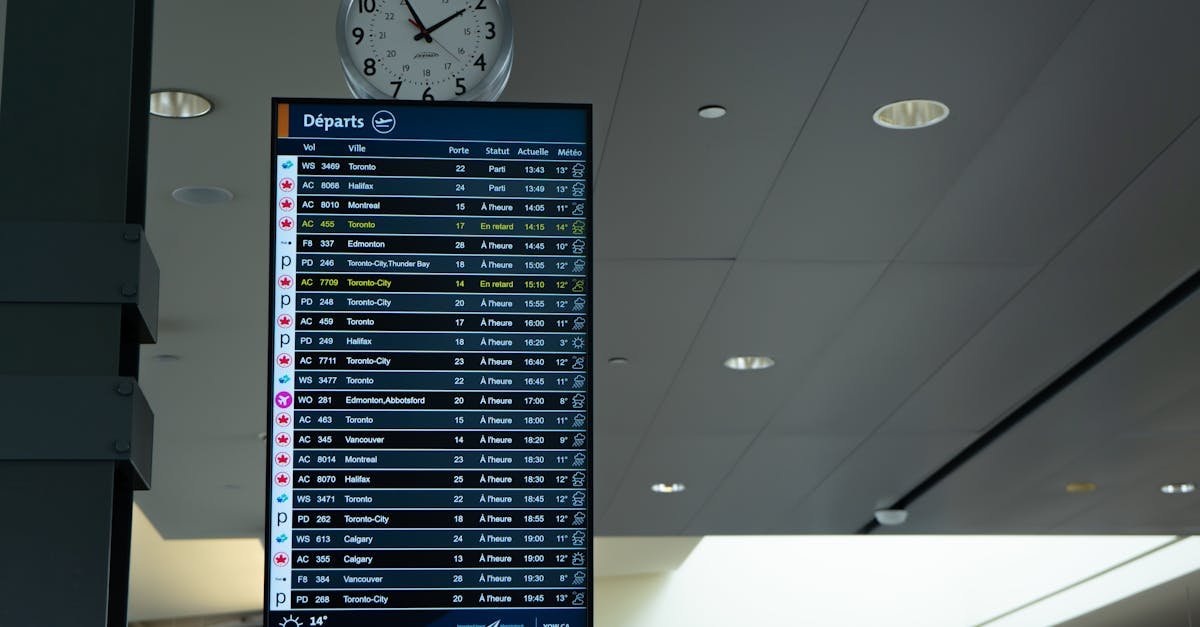
Facing the reality of limited fuel availability, major carriers are implementing substantial operational adjustments that will significantly impact travelers. Canadian airlines have taken particularly aggressive action, with Air Canada suspending multiple transatlantic routes as a precautionary measure. The airline has prioritized maintaining domestic connectivity while sacrificing international capacity to preserve fuel reserves for essential operations.
WestJet has announced a graduated capacity reduction strategy: 1% in April, escalating to 3% in May, and reaching a substantial 6% cut in June. This translates to approximately 180 cancelled flights during the peak summer period. Air Transat has committed to even more drastic measures, implementing a 6% capacity reduction from May through October 2026, affecting roughly 15,000 passengers monthly.
European carriers face equally challenging decisions. The Lufthansa Group, encompassing Lufthansa, Swiss, Austrian Airlines, and Brussels Airlines, anticipates cancelling approximately 20,000 flights throughout the summer season. This represents nearly 8% of their planned operations and affects over 2.5 million passengers across their network.
Profound Implications for European Travel Plans
Travelers planning European adventures face unprecedented uncertainty regarding flight availability and reliability. The jet fuel restrictions particularly threaten return journey reliability, as airlines prioritize fuel allocation for profitable long-haul routes over connecting services. Industry experts recommend booking flexible fare options and securing comprehensive travel insurance that covers fuel-related cancellations.
The ripple effects extend beyond flight operations to ground transportation and accommodation sectors. European rail networks report increased demand as travelers seek alternatives, while hotels near major airports experience booking surges from stranded passengers. Travel agencies report a 40% increase in client inquiries about trip modifications and cancellation policies.
Economic Impact on Aviation Sector
The financial implications of these fuel restrictions extend far beyond operational disruptions. Airlines face dual pressures of reduced revenue from cancelled flights and increased costs from fuel surcharges and alternative sourcing. Preliminary estimates suggest European airlines could face combined losses exceeding €2.8 billion if restrictions persist through the summer season.
Looking Ahead: Industry Adaptation and Recovery
As the crisis evolves, the aviation industry demonstrates remarkable adaptability while confronting these unprecedented challenges. Airlines are exploring alternative fuel sourcing arrangements, including partnerships with North American refineries and expedited shipping arrangements. Several carriers are investigating sustainable aviation fuel options as both crisis mitigation and long-term strategy.
The current jet fuel restrictions serve as a stark reminder of aviation’s vulnerability to global supply chain disruptions and geopolitical instability. Travelers planning European journeys should maintain flexibility in their itineraries, monitor airline communications closely, and prepare for potential last-minute changes as this complex situation continues to develop throughout the crucial summer travel season.

