

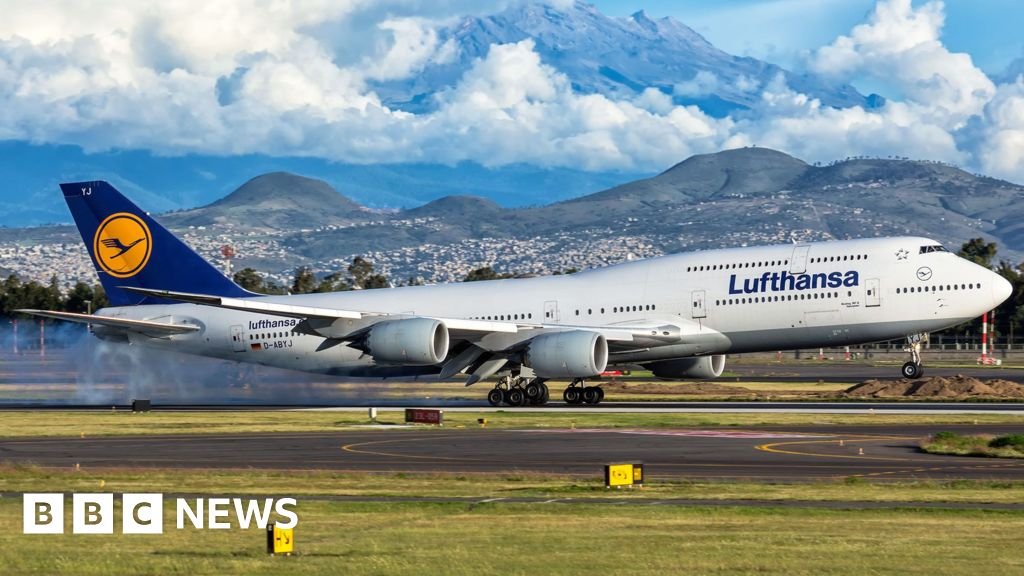
In a significant move that will reshape European travel patterns this summer, Lufthansa has announced the cancellation of 20,000 short-haul flights due to escalating fuel costs. This dramatic reduction represents approximately 1% of the airline’s total summer capacity and signals the mounting pressure airlines face as jet fuel prices continue to climb amid global economic uncertainties.
Extensive Schedule Reductions Across European Networks
The Lufthansa cuts primarily target short-haul routes within Europe, with the airline implementing a comprehensive restructuring of its summer schedule. Key destinations affected include the complete suspension of services to Bydgoszcz and Rzeszów in Poland, as well as Stavanger in Norway. Popular routes to Cork, Ireland, Gdańsk, Poland, and Ljubljana, Slovenia are experiencing significant frequency reductions as part of the consolidation strategy.
The impact extends beyond Lufthansa’s main operations, encompassing the entire Lufthansa Group ecosystem. SWISS, Austrian Airlines, Brussels Airlines, and ITA Airways are all implementing similar schedule adjustments. The initial phase involves 120 daily flight cancellations, a measure that began in early spring and will continue through May, with effects extending through October 2023.
Industry-Wide Pressures and Economic Challenges
According to Lufthansa’s official statement, “The dramatic rise in fuel prices necessitates agility in optimizing our schedule to sustain economic viability.” This challenge reflects broader industry trends, with fuel costs representing up to 30% of airline operating expenses. The surge in jet fuel prices, primarily driven by ongoing geopolitical tensions and supply chain disruptions, has forced carriers worldwide to make difficult operational decisions.
The phenomenon isn’t isolated to Lufthansa. Air Canada recently reduced services to New York’s JFK International Airport, redirecting resources to more profitable hub operations. Similarly, other European carriers are reassessing their route networks, with industry analysts predicting further consolidation throughout the summer season.
Passenger Impact and Travel Disruptions
For travelers planning European getaways, these Lufthansa cuts translate to fewer flight options and potential pricing pressures. Business travelers who rely on frequent connections between major European cities may face particular challenges, as many affected routes serve key business destinations. The reduction in capacity is likely to drive up fares on remaining flights, especially during peak summer travel periods.
Passengers with existing bookings on cancelled routes are being offered rebooking options or full refunds, though alternative flights may involve longer connections or different departure times. Travel industry experts recommend that passengers with summer European travel plans monitor their bookings closely and consider purchasing travel insurance to protect against further disruptions.
Strategic Adaptations and Route Optimization
Despite these significant reductions, Lufthansa emphasizes its commitment to maintaining service on core profitable routes. The airline is focusing resources on high-demand destinations and optimizing aircraft utilization to maximize efficiency. This strategy involves deploying larger aircraft on popular routes while eliminating smaller regional services that have become economically unviable.
The carrier is also accelerating its digital transformation initiatives, implementing advanced revenue management systems to better predict demand patterns and adjust pricing dynamically. These technological investments aim to help the airline navigate volatile fuel markets more effectively in the future.
Future Outlook and Industry Recovery
As the aviation industry continues adapting to post-pandemic realities and economic pressures, these Lufthansa cuts represent a strategic recalibration rather than permanent retrenchment. Industry analysts suggest that if fuel prices stabilize or decline, some routes may be restored for the 2024 summer season.
The airline industry’s resilience will be tested as carriers balance operational efficiency with passenger demand. For now, travelers should expect a more consolidated route network across European carriers, with premium placed on flexibility and alternative travel arrangements as the industry navigates these challenging economic headwinds.
Sources
Information compiled from Lufthansa Group official statements, industry reports, and aviation industry analysis from leading trade publications.

