

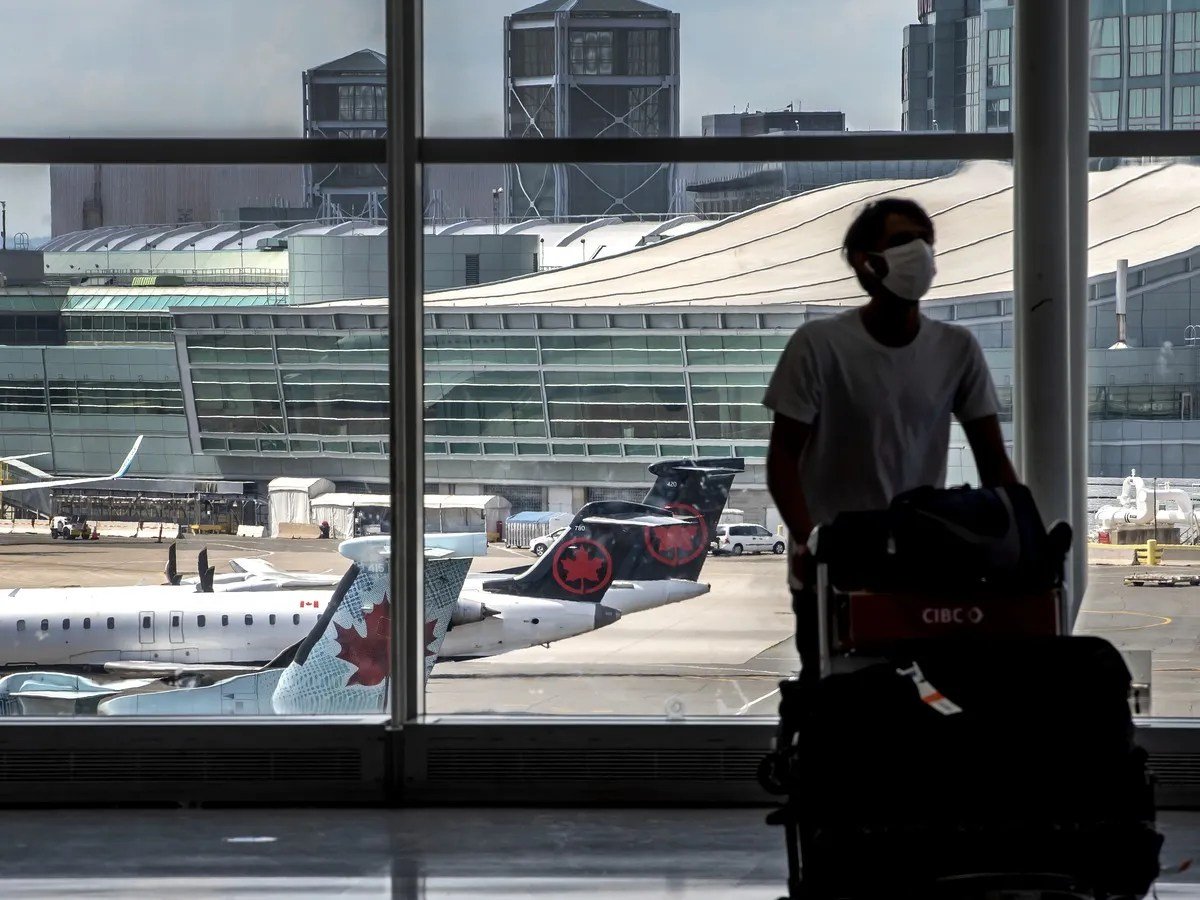
Summer Travel Plans Hit by Canada Domestic Airfare Increase
Canadian travelers gearing up for domestic adventures this summer may find themselves facing steep ticket prices. Data from Kayak reveals a significant domestic airfare surge, with average costs soaring by a whopping 70% in 2023. This dramatic rise is highlighted in the newly launched Kayak Airfare Trends Dashboard, unveiled on April 15, which provides crucial insights for travelers navigating the ever-changing landscape of travel costs.
Impact Across Major Cities
The rising cost of air travel in Canada is affecting cities differently. Vancouver has seen the sharpest climb, with ticket prices spiking from $191 to a startling $413, representing a 116% surge. Travelers heading to this vibrant hub of nature and culture will need to reassess their travel budgets significantly. The city’s popularity as a gateway to both urban attractions and outdoor adventures has made it particularly susceptible to demand-driven price increases.
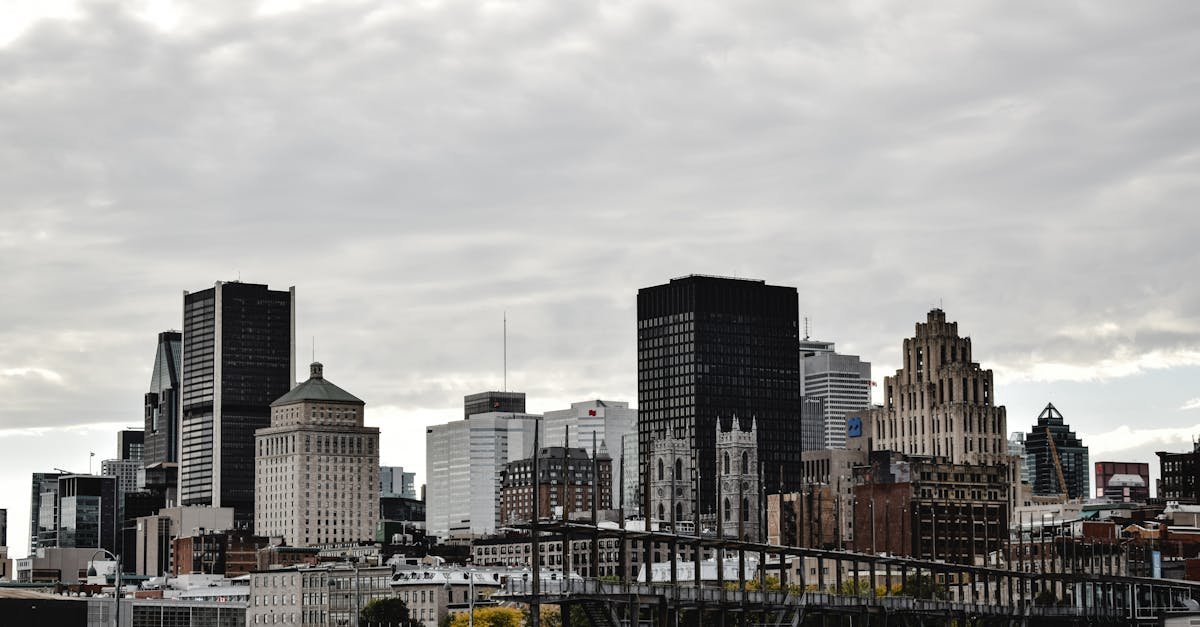
In other urban destinations, prices are also climbing but at a less dramatic pace. Flights to Calgary have increased from $212 to $361, marking a substantial 70% jump that affects both business travelers and tourists seeking access to the nearby Rocky Mountains. Montreal’s fares have surged to $489, a notable 29% increase that impacts visitors to Quebec’s cultural capital. Toronto’s domestic airfare prices have not been spared either, jumping by 74% to reach $366, significantly affecting Canada’s largest metropolitan area.
Yet, not all destinations reflect this upward trend. In Halifax, travelers will find relief as fares decreased by 10%, now costing $315 compared to last year’s $350. This offers a potential alternative for those seeking more budget-friendly options during summer travel while still experiencing Atlantic Canada’s maritime charm and historic attractions.
Domestic Airfare Surge Influences and Market Dynamics
Several factors contribute to these unprecedented domestic airfare increases. The surge in domestic travel this summer stems partly from increased demand as travelers look to explore local attractions following years of restricted international travel. Post-pandemic travel patterns have fundamentally shifted, with Canadians showing renewed interest in discovering their own country’s diverse landscapes and cultural offerings.
Additionally, operational challenges including potential fuel surcharges and rising expenses have pressured airlines to adjust pricing structures. Economic and geopolitical challenges, including tensions in the Middle East affecting global fuel markets, have created a ripple effect across the aviation industry. Aircraft maintenance costs, crew training expenses, and airport infrastructure fees have all contributed to the overall cost burden passed on to consumers.
Kayla DeLoache of Kayak underscores the importance of monitoring these changes: “Keeping a close watch on how prices fluctuate can empower travelers to make informed decisions about their travel plans,” she advises. Her insights come as a vital tool for Canadians hoping to navigate these price hikes efficiently while maintaining their summer travel aspirations.
International Comparisons and Alternative Options
Though domestic fares have spiked extensively, international routes paint a less severe picture. Canadians flying abroad are facing only a 12% average cost increase, with current fares rising from $1,052 in January to around $1,173. This modest rise stands in stark contrast to the steep increases seen in domestic travel costs, creating an unusual situation where international travel may become more cost-effective than domestic options.
Popular destinations among Canadians, including Montego Bay, Paris, Punta Cana, and Tokyo, maintain stable or slightly reduced prices compared to last year. This pricing paradox provides viable alternatives for those flexible in their travel plans and willing to explore international destinations instead of domestic ones.
Strategic Travel Planning and Future Outlook
As the summer travel season approaches, Canadians must stay adaptable amidst shifting domestic airfare landscapes, tailoring their budgeting strategies accordingly. Travel experts recommend booking flights well in advance, considering alternative airports, and maintaining flexibility with travel dates to secure better deals.

Looking ahead, vigilance in monitoring domestic airfare fluctuations and advance planning will be essential for budget-conscious travelers. The aviation industry expects these elevated prices to persist through the peak summer season, making strategic planning crucial for Canadians hoping to explore diverse landscapes and vibrant cities such as Vancouver, Calgary, Montreal, Toronto, and Halifax without breaking their travel budgets.
Sources: Kayak Airfare Trends Dashboard, Kayak Travel Data Analysis

