

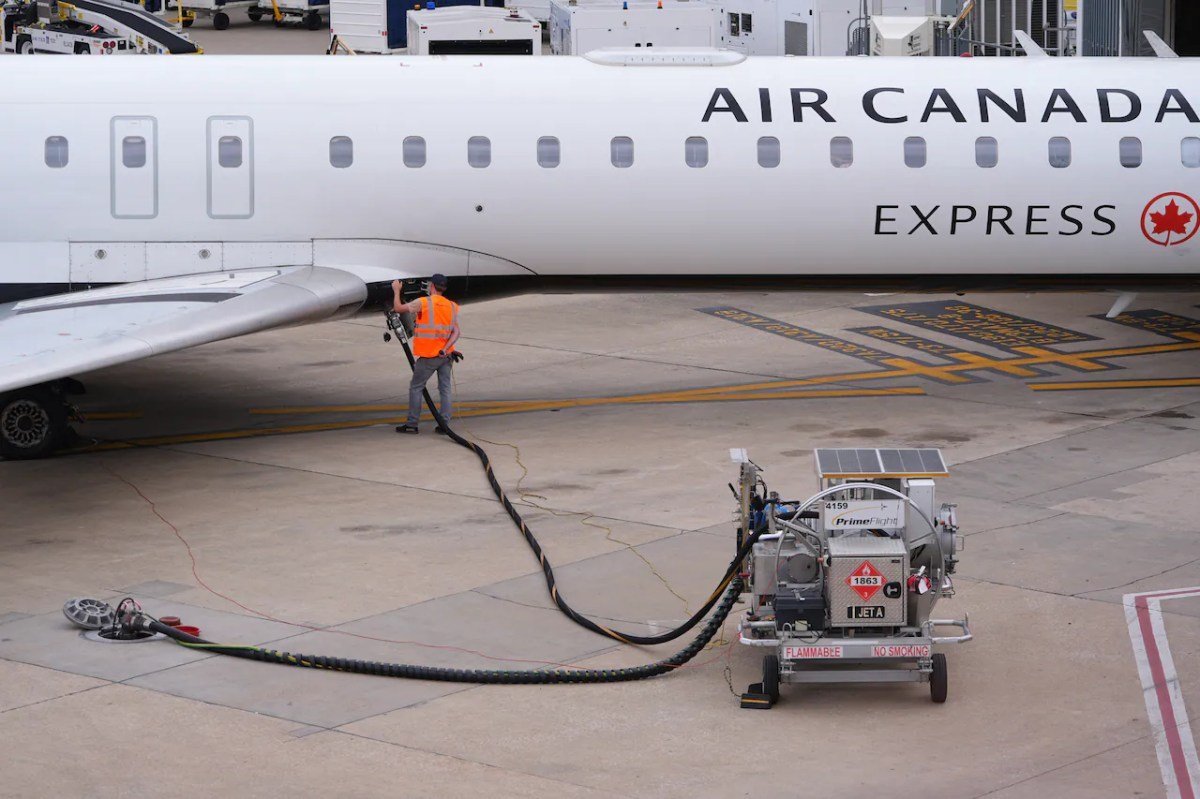
Air Canada Route Suspensions Amidst Global Oil Crisis Turmoil
In a strategic move highlighting the increasingly difficult environment within the airline industry, Air Canada is implementing comprehensive Air Canada route suspensions on multiple key routes due to the economic strain from the ongoing global oil crisis. Official announcements confirm that two domestic routes, one cross-border, and one international service are impacted as the airline addresses mounting profitability concerns amid this tumultuous period affecting aviation worldwide.
Economic Pressures Drive Strategic Route Decisions
The ongoing turmoil in the Middle East, particularly affecting the critical Strait of Hormuz shipping corridor, has exacerbated economic disturbances, significantly impacting global oil supplies and distribution networks. As geopolitical tensions mount between various international powers and regional conflicts intensify, airlines face unprecedented financial challenges due to steep jet fuel price increases that have reached levels not seen in recent years. This strategic repositioning represents part of Air Canada’s broader comprehensive strategy to manage substantial losses amidst climbing operational costs and persistent disruptions in fuel supply chains.

Detailed Analysis of Affected Routes and Implementation Timelines
The Air Canada route suspensions include several strategically important connections across North America. The airline is halting its popular Toronto to Yellowknife service by the end of August, significantly impacting travelers seeking access to Canada’s Northwest Territories. This route has been particularly important for business travelers and tourists exploring Canada’s northern regions. Additionally, flights from Fort McMurray to Vancouver are scheduled to cease operations in late May, affecting oil industry workers and their families who frequently travel between Alberta’s oil sands region and British Columbia’s major metropolitan center.
On the international front, the highly anticipated nonstop service between Montreal and Guadalajara faces suspension before its intended launch date of June 2, disappointing Canadian travelers who were looking forward to enhanced connectivity with Mexico’s cultural heartland. This route was expected to strengthen business and leisure travel ties between Quebec and Jalisco state. Finally, the established Toronto to Salt Lake City connection will cease operations on June 30, with airline executives indicating potential resumption next year if market conditions and fuel costs stabilize sufficiently.
Industry Expert Analysis and Long-term Implications
Aviation industry analysts predict that disruptions in oil supply from the volatile Middle East region will persist for the foreseeable future, extending the significant impact on jet fuel availability, pricing structures, and airline operational planning. Leading industry expert Sarah Mitchell from the International Aviation Research Institute noted, “Normalizing oil flows and stabilizing pricing may take weeks, if not months, with jet fuel production and distribution lagging considerably as ongoing geopolitical tensions continue to impact the strategically vital Strait of Hormuz shipping lanes.”
This complex situation amplifies the operational and financial complexities affecting global travel networks, with airlines worldwide grappling with rising fuel costs, supply chain unpredictability, and the challenging balance between maintaining service levels and ensuring financial sustainability. The ripple effects extend beyond individual carriers, impacting airport operations, ground handling services, and the broader tourism ecosystem.
Comprehensive Impact Assessment for Travelers
Passengers across multiple markets face significant adjustments in their travel planning due to these strategic Air Canada route suspensions. Previous announcements had already impacted popular business and leisure flights from Toronto and Montreal to New York’s JFK Airport, with services suspended from June through late October, creating additional pressure on trans-border travel options.
The airline’s customer service teams are proactively reaching out to all affected passengers, offering comprehensive alternative arrangements including rebooking on partner airlines, routing through hub connections, or providing full refund options to ensure minimal disruption during this challenging economic period. Travel insurance providers are also seeing increased claims related to trip modifications and cancellations.

Strategic Navigation Through Industry Turbulence
The aviation industry continues closely monitoring geopolitical developments and oil market fluctuations, maintaining cautious optimism for a stable international climate that might offer meaningful relief from current pressures. Should critical trade routes through the Strait of Hormuz achieve lasting stability and oil prices moderate, reviewing and potentially reinstating these suspended Air Canada route suspensions may become feasible in future planning cycles.
Currently, Air Canada’s decisive actions demonstrate a proactive, data-driven approach to navigating unprecedented global challenges while maintaining long-term operational viability. These temporary suspensions may inconvenience travelers seeking specific destination connectivity, but they underscore the airline’s commitment to strategic financial management during one of the most challenging periods in modern aviation history.
Sources:
– Air Canada Official Press Releases
– International Aviation Research Institute
– Global Energy Market Analysis Reports
– Industry Trade Publications

