

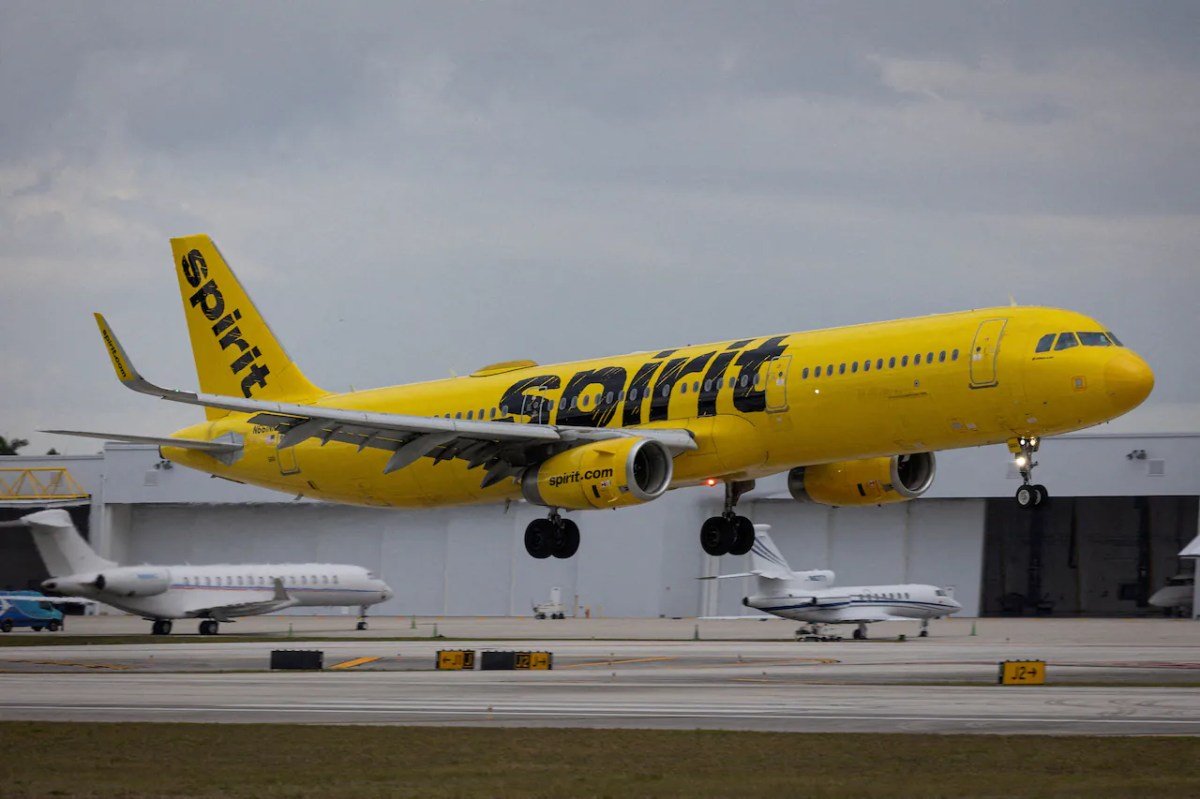
The unexpected Spirit Airlines shutdown has sent shockwaves through the global aviation industry, marking one of the most significant disruptions in budget travel history. Announced on May 2, 2026, the cessation of operations by this pioneering ultra-low-cost carrier has left millions of budget-conscious travelers scrambling for alternatives and forced industry experts to reassess the sustainability of the no-frills airline model.
In response to the sudden closure, the Travel Industry Council of Ontario (TICO) issued a comprehensive advisory, outlining crucial steps for affected passengers seeking refunds and financial recourse. The guidance is particularly vital for travelers in Ontario, where thousands of passengers face uncertainty about their booked flights and vacation plans.
Consumer Protection and Refund Procedures
Passengers who booked directly through Spirit Airlines using credit or debit cards are eligible for automatic refunds, providing some immediate financial relief during this turbulent period. However, the process becomes significantly more complex for those who purchased tickets through travel agencies, tour operators, or third-party booking platforms.
TICO recommends these customers immediately contact their booking agencies to initiate the refund protocol. Should a TICO-registered agency fail to provide adequate refunds or cease operations themselves, the Ontario Travel Industry Compensation Fund offers a crucial safety net for recouping expenses. This fund, designed specifically to protect Ontario travelers, has already begun processing claims related to the Spirit Airlines shutdown.
Critical Deadlines and Industry Impact
Consumers must act swiftly to meet the November 3, 2026 deadline for submitting claims to the Compensation Fund. TICO emphasizes that passengers have only a six-month window to facilitate successful claims processing, making immediate action essential. The organization has expanded its customer service hours and deployed additional staff to handle the unprecedented volume of inquiries.
Spirit Airlines, which served the aviation industry for over three decades, acknowledged its closure through a brief statement on its website. The airline cited insurmountable financial challenges despite its role in revolutionizing air travel pricing through its ultra-low-cost model. The carrier’s innovative approach to unbundled services and rock-bottom base fares influenced countless competitors and democratized air travel for millions of passengers.
Financial Collapse and Market Consequences
The Spirit Airlines shutdown represents the culmination of years of severe financial distress. The carrier filed for bankruptcy protection twice since 2024, struggling with mounting debt, operational challenges, and intensifying competition from both legacy carriers and newer ultra-low-cost competitors. Initial optimism emerged when federal aid totaling $500 million was proposed, but the assistance ultimately failed to materialize, sealing the airline’s fate.
The closure has created immediate capacity shortages on numerous domestic and international routes, particularly affecting leisure destinations in Florida, the Caribbean, and Latin America where Spirit maintained significant market share. Competing airlines are rapidly adjusting their schedules and pricing strategies to accommodate displaced passengers, though industry analysts warn that the loss of Spirit’s low-cost capacity will likely result in higher average airfares across affected markets.
Broader Industry Implications
The shutdown raises fundamental questions about the long-term viability of the ultra-low-cost carrier model, particularly in markets with intense competition and thin profit margins. Aviation industry experts suggest that Spirit’s collapse may trigger consolidation among remaining budget carriers and prompt regulatory discussions about consumer protection measures.
For travelers in Ontario and beyond, TICO’s advisory highlights the critical importance of understanding passenger rights and available protections when booking travel. The situation underscores growing calls for enhanced consumer safeguards and improved airline financial oversight to prevent similar disruptions.
Looking Forward
As the travel industry grapples with the implications of the Spirit Airlines shutdown, affected passengers must diligently follow official guidance and seek appropriate support through established channels. TICO continues to assist Canadian travelers navigating the financial and logistical challenges stemming from this unprecedented development.
The aviation sector is closely monitoring how this major disruption will influence future regulatory frameworks, consumer protection policies, and airline operational strategies. Industry leaders emphasize that strengthening financial resilience and improving passenger safeguards must become paramount priorities to prevent similar catastrophic failures in the future.
Sources
Travel Industry Council of Ontario (TICO) official advisory statements and consumer protection guidelines provided the foundation for this report.

