

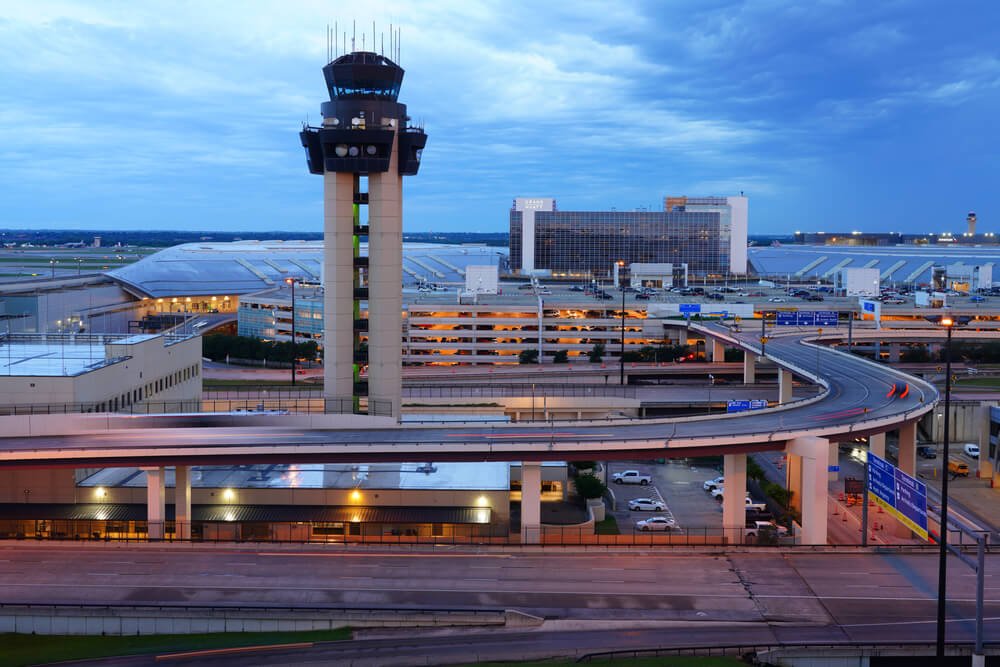
Dallas Flight Disruptions Surge As Thunderstorms Batter Airport
Travelers attempting to navigate through Dallas-Fort Worth International Airport (DFW) found themselves amidst chaos this weekend due to severe Dallas thunderstorms. These powerful weather disturbances wreaked havoc on Sunday, causing over 270 flight cancellations and disrupting schedules well into Monday, with another 30 flights canceled in their wake. The storm system, characterized by intense rainfall, lightning, and wind speeds exceeding 60 mph, demonstrated once again how severe weather can bring one of the nation’s busiest airports to a standstill.
Dallas Thunderstorms Prompt Extended Ground Stop
The intensity of the storms that struck Dallas on Sunday evening was unprecedented, compelling the Federal Aviation Administration (FAA) to call for a ground stop beginning around 2:30 p.m. local time. This action, essential for safety, lasted approximately nine hours, grounding a significant portion—25%—of all flights scheduled to depart from DFW. The extended duration of the ground stop reflects the severity of the weather conditions, which included dangerous wind shear and reduced visibility that made safe aircraft operations impossible.
As the situation escalated, a secondary ground stop was enforced, exacerbated by high air traffic volume across the airport. Aviation experts noted that the timing of the storms, occurring during peak travel hours, amplified the impact on passengers and airline operations nationwide.
American Airlines Under Strain
American Airlines, operating a major hub at DFW, bore the brunt of these disruptions. FlightAware data revealed that American Airlines canceled more than 230 flights on Sunday alone, representing nearly 15% of the carrier’s daily operations. By early Monday, close to 90 additional flights had also been canceled, creating a cascading effect that impacted thousands of passengers across the airline’s network. To alleviate passenger inconvenience, American Airlines announced a comprehensive travel waiver, permitting guests to rebook travel through DFW, Dallas Love Field, Austin, and Houston without change fees, provided new travel plans are within the same fare class and completed by May 13.
The airline deployed additional customer service representatives to assist stranded passengers and worked around the clock to reposition aircraft and crew members displaced by the weather event. Industry analysts estimate the financial impact of these disruptions could reach several million dollars when accounting for passenger compensation, crew overtime, and aircraft repositioning costs.
Passengers Confined to Tarmacs
Passengers experienced firsthand the ripple effects of these mass cancellations. Those aboard American Airlines flight 1367 from Charlotte experienced a particularly frustrating ordeal, being delayed on the tarmac for over seven hours as airport staff managed logistical challenges amid numerous diverted flights. Social media platforms were flooded with passenger complaints and videos showing crowded gate areas and long lines at customer service counters.
Many travelers reported sleeping on terminal floors as hotels in the Dallas area quickly reached capacity. The airport’s customer service team distributed blankets, water, and snacks to stranded passengers, while working to expedite rebooking processes and ground transportation arrangements.
Domino Effect at DFW
As the largest airport in Texas and the second-largest by land area in the United States, Dallas-Fort Worth International Airport plays an integral role in both national and international air travel. The facility handles over 75 million passengers annually and serves as a critical connection point for travelers across the Americas. Severe weather events underscore the airport’s vulnerability, highlighting a need for enhanced logistics strategies and weather response plans. These vital learnings are crucial as airports globally face similar challenges in an era of increasingly unpredictable weather patterns.
Preparing for Unpredictable Weather
For travelers, these ongoing DFW flight cancellations serve as a critical reminder of the need to stay vigilant about weather forecasts and maintain open communication with airlines for travel updates. Travel experts recommend booking flights earlier in the day during storm season, purchasing travel insurance, and allowing extra time for critical connections. As DFW and its airline partners work to restore normal operations, passengers should anticipate further adjustments and remain proactive in managing their travel itineraries.
The recent Dallas flight disruptions showcase nature’s capability to disrupt even the most organized travel systems. Despite this chaos, DFW and its partners remain steadfast in their commitment to passenger safety and comfort, striving to overcome these challenging circumstances. As climate patterns continue to evolve, airports and airlines are investing in improved weather prediction technology and more flexible operational strategies to minimize future disruptions.
Sources
Information compiled from Federal Aviation Administration reports, FlightAware data, American Airlines official statements, and passenger testimonials from social media platforms.

