

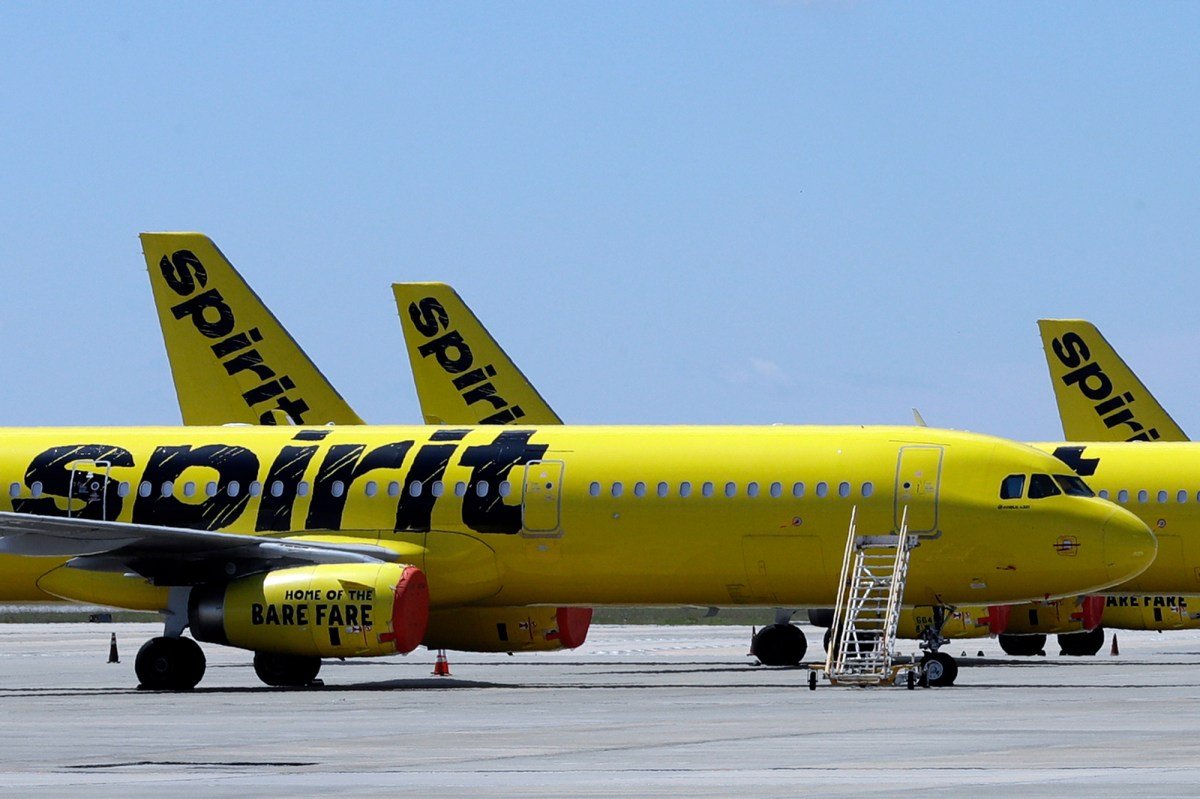
Spirit Airlines Collapse Sends Shockwaves Through Canadian Carriers
The abrupt Spirit Airlines collapse in the United States has raised alarms for Canadian budget airlines, highlighting the fragile nature of low-cost carrier operations amid surging oil prices. Known for its trademark yellow planes and ultra-low fares, Spirit halted operations last Saturday after 34 years of service, underscoring the mounting challenges smaller airlines face in the current economic climate. The sudden closure has sent ripple effects throughout North America’s aviation industry, particularly affecting budget carriers operating on razor-thin profit margins.
Impact of Spirit Airlines Collapse on Canadian Market
Spirit Airlines, which served over 75 destinations across the United States, Caribbean, and Latin America, faced insurmountable pressures as fuel costs soared due to geopolitical disruptions and supply chain constraints. This development serves as a stark wake-up call for Canadian carriers like Flair Airlines, based in Edmonton, and other budget airlines striving to maintain profitability in an increasingly volatile market.
Christopher Read, former corporate development manager at Air Canada, remarked, “The Spirit Airlines collapse is a warning shot for every thinly capitalized low-cost carrier in North America.” He noted that while Flair operates differently from Spirit’s ultra-low-cost model, the fundamental economic challenges they face are remarkably similar. The collapse demonstrates how quickly market conditions can overwhelm airlines without substantial financial reserves or diversified revenue streams.
Struggles of Canadian Budget Airlines Intensify
Canadian budget airlines, including Flair and Porter Airlines, the third-largest carrier in Canada, are grappling with unprecedented jet fuel price volatility fueled by international tensions involving Iran, the United States, and Israel. Unlike major legacy carriers such as Air Canada and WestJet, budget airlines often lack the financial resilience derived from extensive loyalty programs, premium cabin offerings, and broad international route networks that generate higher yields.
Flair Airlines recently announced comprehensive plans to diversify their service offerings and strengthen strategic alliances within Canada’s aviation ecosystem to fortify operations against volatile oil prices. The airline is also exploring partnerships with regional carriers to expand market reach without significant capital investment. Additionally, budget carriers are innovating by introducing sophisticated dynamic pricing models and ancillary revenue streams that could help counterbalance rising operational costs while maintaining consumer demand flexibility.
Strategic Operational Challenges and Market Adaptation
In direct response to mounting financial pressures, both Flair and Porter have strategically shifted focus from highly competitive U.S. routes to potentially more profitable leisure destinations in Mexico and the Caribbean. Flair now operates scheduled service to seven sun destinations, while Porter has expanded its southern network to at least nine warm-weather locales. This calculated strategic pivot aims to capture vacation markets where demand remains relatively stable and price-sensitive travelers continue booking despite economic uncertainty.
However, budget airlines face persistent operational challenges with this geographic expansion. Extended flights to distant international destinations typically yield lower profit margins for low-cost carriers, which traditionally prosper on high-frequency short-haul routes with quick aircraft turnarounds. Kevin Bryan, an associate professor at the University of Toronto’s Rotman School of Management, explained, “The shorter the flight duration, the easier it becomes to operate a profitable low-cost carrier model.”
Furthermore, with travel patterns continuing to evolve in the post-pandemic landscape, Canadian airlines are actively exploring innovative cross-border partnerships to effectively share market risks and operational costs. Joint marketing initiatives, code-sharing agreements, and coordinated scheduling could significantly broaden customer reach while stabilizing revenue streams during periods of economic turbulence.
Broader Industry Implications and Consumer Impact
Though Spirit Airlines didn’t maintain direct routes to Canadian airports, aviation experts suggest that Ontario residents, particularly those near the Detroit border, will lose access to previously affordable travel options from major U.S. hubs. The closure has exposed fundamental vulnerabilities within the broader airline industry, clearly illustrating the inherent precariousness of the ultra-low-cost business model in today’s complex global economic climate.
As operational costs continue fluctuating and travel demand patterns shift unpredictably, Canadian budget airlines must evolve rapidly to withstand ongoing market turbulence. Industry analysts emphasize that carriers are prioritizing comprehensive customer experience enhancements while targeting new demographic segments to maintain competitive advantages. Canadian travelers seeking affordable flight options will closely monitor these carriers as they navigate an increasingly uncertain future shaped by economic volatility and evolving consumer expectations. The Spirit Airlines collapse ultimately serves as both a sobering lesson and cautionary tale for carriers committed to maintaining accessible low fares in an intensely competitive industry.

