

Airlines Cancel 13,000 Flights as Jet Fuel Prices Double Amid Crisis
The global aviation industry faces unprecedented turbulence as flight cancellations reach crisis levels, with airlines announcing the elimination of over 13,000 flights due to soaring jet fuel costs. This dramatic development stems from ongoing geopolitical tensions in the Middle East, which have caused fuel prices to skyrocket from US$831 per tonne in February to a staggering US$1,838 per tonne by early April—more than doubling operational costs for carriers worldwide.
The massive scale of these flight cancellations threatens to disrupt travel plans for approximately two million passengers during what was expected to be one of the busiest summer travel seasons in recent years. Airlines are scrambling to balance financial sustainability with customer commitments as fuel costs consume an ever-larger portion of their operational budgets.
Major Hubs Experience Severe Flight Cancellations
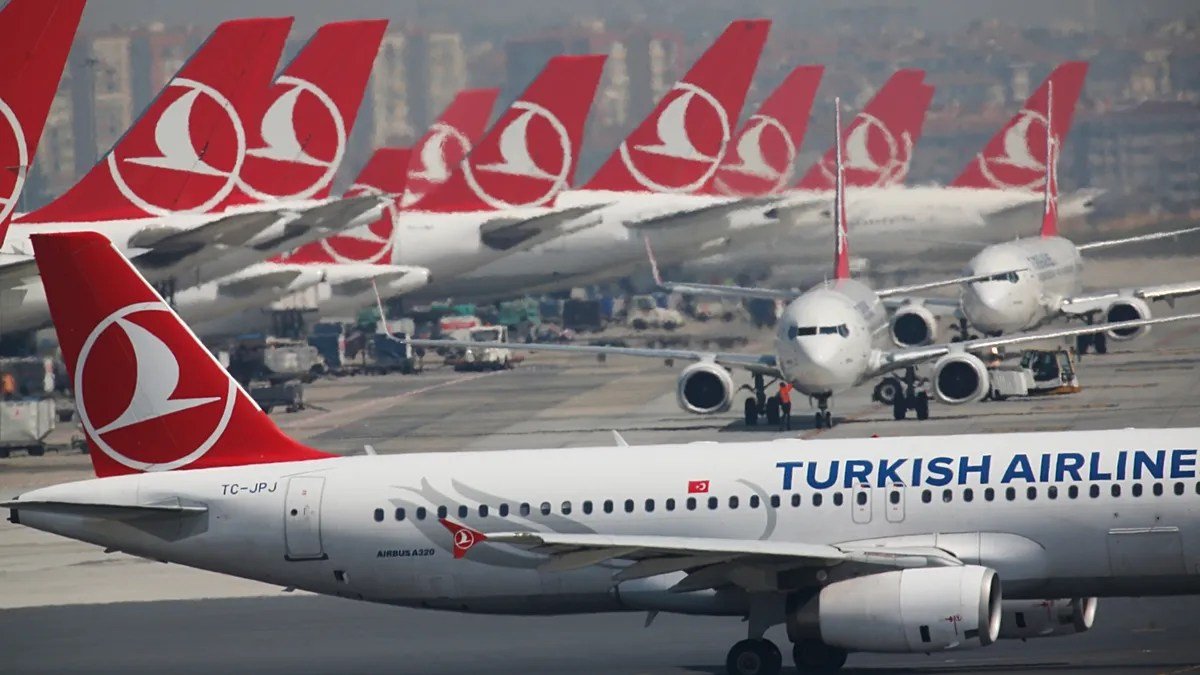
Critical international airports including Istanbul and Munich are experiencing substantial reductions in flight availability, with some routes seeing up to 40% of scheduled services eliminated. Aviation analytics firm Cirium reports that airlines are implementing emergency cost-cutting measures, including strategic route suspensions and aircraft grounding initiatives.
The ripple effects extend beyond immediate flight cancellations, as airlines restructure their networks to prioritize the most profitable routes. Secondary cities and leisure destinations are bearing the brunt of these cuts, potentially reshaping summer travel patterns across Europe and beyond. Airport authorities are working closely with carriers to minimize passenger disruption while managing reduced terminal capacity and staffing adjustments.
Despite current fuel availability, industry experts warn of potential shortages within weeks if alternative supply chains aren’t established rapidly. The International Energy Agency has issued alerts regarding possible jet fuel shortages across Europe by June, emphasizing the urgent need for diversified procurement strategies and enhanced logistical coordination among suppliers.
Carrier Strategies and Passenger Impact
Major airlines are adopting varied approaches to navigate the crisis. Air France and KLM have implemented selective route suspensions while simultaneously increasing fares on remaining services by 15-25%. Air Canada has focused on consolidating North American routes, while Delta Air Lines is reducing European connectivity to preserve domestic market share.
Scandinavian Airlines has taken perhaps the most aggressive stance, temporarily suspending all routes to Asia and reducing European frequency by 30%. Meanwhile, Lufthansa has announced plans to eliminate an additional 20,000 flights by October, representing one of the largest capacity reductions in the airline’s history.
Passengers are experiencing significant disruptions beyond simple flight cancellations. Rebooking options are increasingly limited, with some travelers facing delays of several days or weeks for alternative flights. Travel insurance claims have surged 300% as holidaymakers seek compensation for cancelled trips, while travel agencies report unprecedented demand for flexible booking policies.
Industry Recovery and Future Outlook
The current crisis highlights the aviation sector’s vulnerability to external geopolitical shocks and commodity price volatility. Airlines are accelerating investments in fuel-efficient aircraft and exploring sustainable aviation fuel alternatives, though these solutions won’t provide immediate relief from current pressures.
Industry analysts predict that flight cancellations may continue through the summer season unless fuel prices stabilize below $1,400 per tonne. Airlines are developing contingency plans for extended capacity reductions while exploring government support mechanisms and emergency financing options.
Looking ahead, the industry must balance immediate survival strategies with long-term sustainability goals. Airlines that successfully navigate this crisis will likely emerge with more resilient operational models and diversified fuel procurement strategies, better positioned for future market volatility and continued growth in global air travel demand.

