

Hantavirus Outbreak on MV Hondius Raises Global Health Concerns
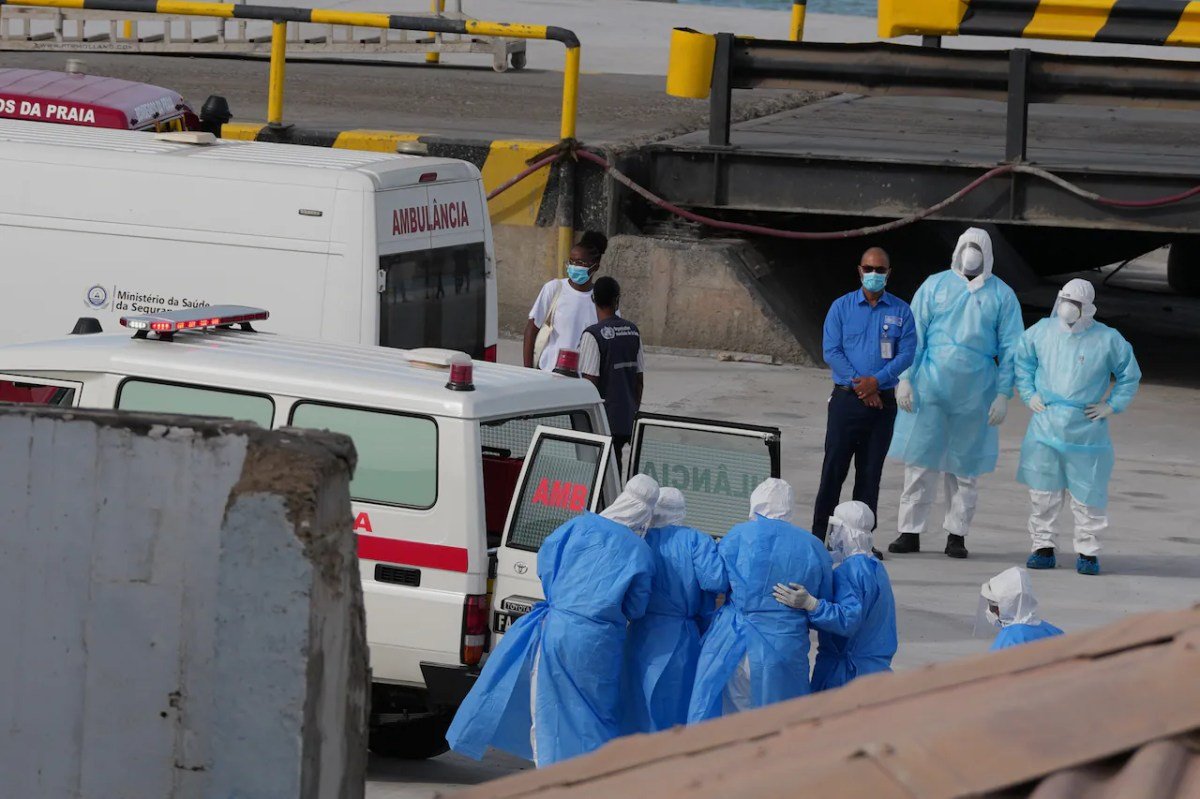
A rare hantavirus outbreak aboard the Dutch cruise vessel MV Hondius has prompted a World Health Organization (WHO) response after three passengers died from the deadly Andres hantavirus strain near Cabo Verde. While the WHO has classified the global health risk as low, the incident has sent shockwaves through the cruise industry and highlighted the ongoing challenges of managing infectious diseases in confined maritime environments.
The outbreak, which occurred while the ship operated by Oceanwide Expeditions was navigating waters near the West African archipelago, represents one of the first documented cases of person-to-person hantavirus transmission aboard a commercial vessel. Five additional passengers remain under medical observation as health officials work to contain the spread of this rare but potentially fatal virus.
Understanding the Andres Hantavirus Strain
Medical investigations have identified the culprit as the Andres hantavirus, a particularly dangerous variant that differs significantly from traditional hantavirus strains. Unlike typical hantaviruses that spread primarily through contact with infected rodent droppings or urine, the Andres strain demonstrates alarming person-to-person transmission capabilities, making containment exponentially more challenging in crowded environments like cruise ships.
The virus first emerged in Argentina in 1996 and has since been responsible for several outbreaks across South America. Its mortality rate can reach up to 40%, making it one of the most lethal hantavirus strains known to medical science. Symptoms typically begin with fever, muscle aches, and fatigue before progressing to severe respiratory distress.
Two passengers died aboard the MV Hondius, while a third succumbed to the virus after emergency evacuation to South Africa. Oceanwide Expeditions has coordinated three additional medical evacuations as a precautionary measure, working closely with international health authorities to manage the crisis.
Life Aboard Amid the Health Crisis
Despite the gravity of the situation, the remaining 80-plus passengers and crew are maintaining relative calm while adhering to strict health protocols. Passenger Kasem Hato described the atmosphere aboard the vessel: “People are taking the situation seriously, but there’s no panic. We’re maintaining social distancing and wearing masks to ensure everyone’s safety.”
The ship’s medical team, reinforced by specialists flown in during port calls, has implemented comprehensive containment measures including enhanced sanitation protocols, mandatory mask-wearing, and isolation procedures for symptomatic individuals. Passengers are undergoing daily health screenings, and common areas have been reconfigured to promote social distancing.
Oceanwide Expeditions has demonstrated transparency throughout the crisis, providing regular updates to passengers, families, and health authorities. The company’s crisis management approach has drawn praise from maritime health experts who emphasize the importance of swift action in containing shipboard outbreaks.
Industry-Wide Implications for Cruise Safety
The hantavirus outbreak has reignited discussions about health and safety protocols within the cruise industry, which is still recovering from the devastating impact of COVID-19. Industry analysts suggest this incident could accelerate the implementation of more robust health screening procedures and emergency response protocols across all cruise operators.
Dr. Maria Santos, a maritime health specialist, noted that this outbreak underscores the unique challenges cruise ships face when dealing with infectious diseases. “The confined environment, shared ventilation systems, and close quarters create perfect conditions for viral transmission,” she explained. “This incident will likely prompt a comprehensive review of current health protocols.”
The International Maritime Organization is reportedly considering new guidelines for handling infectious disease outbreaks at sea, potentially including mandatory isolation facilities and enhanced medical staffing requirements for passenger vessels operating in remote regions.
Looking Ahead: Enhanced Vigilance in Cruise Travel
As the MV Hondius continues its modified itinerary with additional medical support, the incident serves as a stark reminder of the evolving health challenges facing the global travel industry. The hantavirus outbreak highlights the critical importance of robust health screening, rapid response capabilities, and international cooperation in managing maritime health emergencies.
For prospective cruise passengers, this incident emphasizes the need for comprehensive travel insurance and awareness of health risks, particularly when traveling to remote destinations where medical evacuation options may be limited. The cruise industry’s response to this crisis will likely shape future safety protocols and passenger confidence in expedition cruising.

