

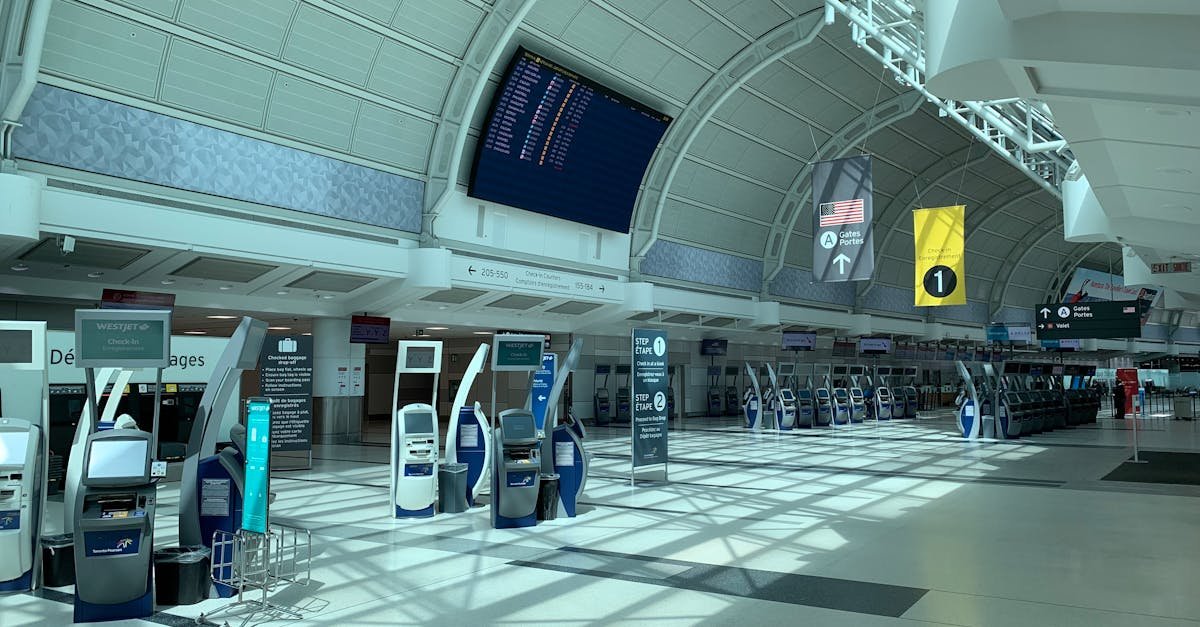
Doug Ford’s Plans for Billy Bishop Airport Under Scrutiny
In a pivotal development for Toronto’s aviation sector, Ontario Premier Doug Ford is moving forward with a controversial Billy Bishop Airport expropriation plan, intending to seize control of the site from the City of Toronto. The proposal was announced following Transportation Minister Prabmeet Sarkaria presenting new legislation at Queen’s Park. This ambitious plan seeks to involve the city in a critical tripartite agreement which also includes the federal government and the Toronto Port Authority.
The expropriation proposal represents one of the most significant infrastructure power plays in recent Canadian history, with implications extending far beyond Toronto’s borders. Industry analysts suggest this move could reshape the competitive landscape of Canadian aviation, potentially affecting flight routes, pricing, and passenger options across the country.
Expansion and Economic Prospects
The main motivation for this initiative is Ford’s belief in the significant economic benefits associated with an expanded airport capable of accommodating jet aircraft. According to Ford, transforming Billy Bishop could provide a major boost to the local economy, transforming the Toronto Islands into a thriving center for business and tourism. The premier estimates the project could generate thousands of jobs and attract billions in investment over the next decade.
The provincial government envisions the airport eventually handling up to 10 million passengers annually, a dramatic five-fold increase from its current capacity of 2 million. However, federal approval remains essential for this vision to materialize. Transportation Minister Sarkaria has stated, “This is going to be a beneficial plan for consumers and air travelers across not only Canada and Toronto but the entire country,” highlighting potential advantages including lower airfares through increased competition and substantial job creation in the aviation sector.
For travelers, the expansion could mean more flight options, potentially reduced fares due to increased competition with Pearson International Airport, and improved accessibility to downtown Toronto. The airport’s unique location offers unparalleled convenience, with the downtown core just minutes away via ferry or tunnel connection.
Controversy and Political Opposition
The Billy Bishop Airport expropriation proposal has faced substantial backlash from local officials and environmental groups. Toronto Mayor Olivia Chow expressed her concerns, calling the move a “power grab,” an opinion shared by several city council members who have officially requested federal intervention. The city argues that the province is overstepping its jurisdiction and undermining municipal autonomy.
Marit Stiles, leader of Ontario’s New Democratic Party, has called for more transparency, labeling the proposal a possible risk to public parks and waterfront residents. Environmental advocates worry about the impact on the delicate ecosystem of the Toronto Islands, which serve as a crucial green space and wildlife habitat in the urban core.
The debate has sparked broader discussions about Ontario government airport policy and urban growth priorities. Issues such as increased noise pollution, potential ecological impacts on the Toronto Islands, and effects on local communities have made the project a focal point of public discourse and political maneuvering.
Regulatory Challenges and Safety Implementation
Billy Bishop Airport is simultaneously grappling with compliance issues related to updated Transport Canada regulations. The new rules require airports to establish “runway safety zones” aimed at minimizing the risks of aircraft overshoots and improving overall safety standards. With a 2027 deadline looming, Billy Bishop must establish a 150-metre safety buffer for all runways to comply with federal legal requirements.
These safety upgrades, while necessary, add another layer of complexity to the expansion plans. Aviation safety experts emphasize that any expansion must prioritize passenger safety and environmental protection, particularly given the airport’s unique island location and proximity to residential areas.
Industry Impact and Future Implications
As these complex dynamics progress, aviation industry stakeholders are attentively monitoring the situation’s evolution. The proposed airport expansion highlights essential matters regarding Canadian aviation policy, urban planning, and the balance between economic development and community interests. Major airlines are reportedly preparing contingency plans depending on the outcome of the expropriation battle.
The Billy Bishop Airport expropriation controversy represents a defining moment for Toronto’s aviation future and could set precedents for infrastructure development across Canada. For travelers and industry professionals, these developments signify a potentially transformative period that could fundamentally redefine air travel accessibility and options in Canada’s largest metropolitan area.

