

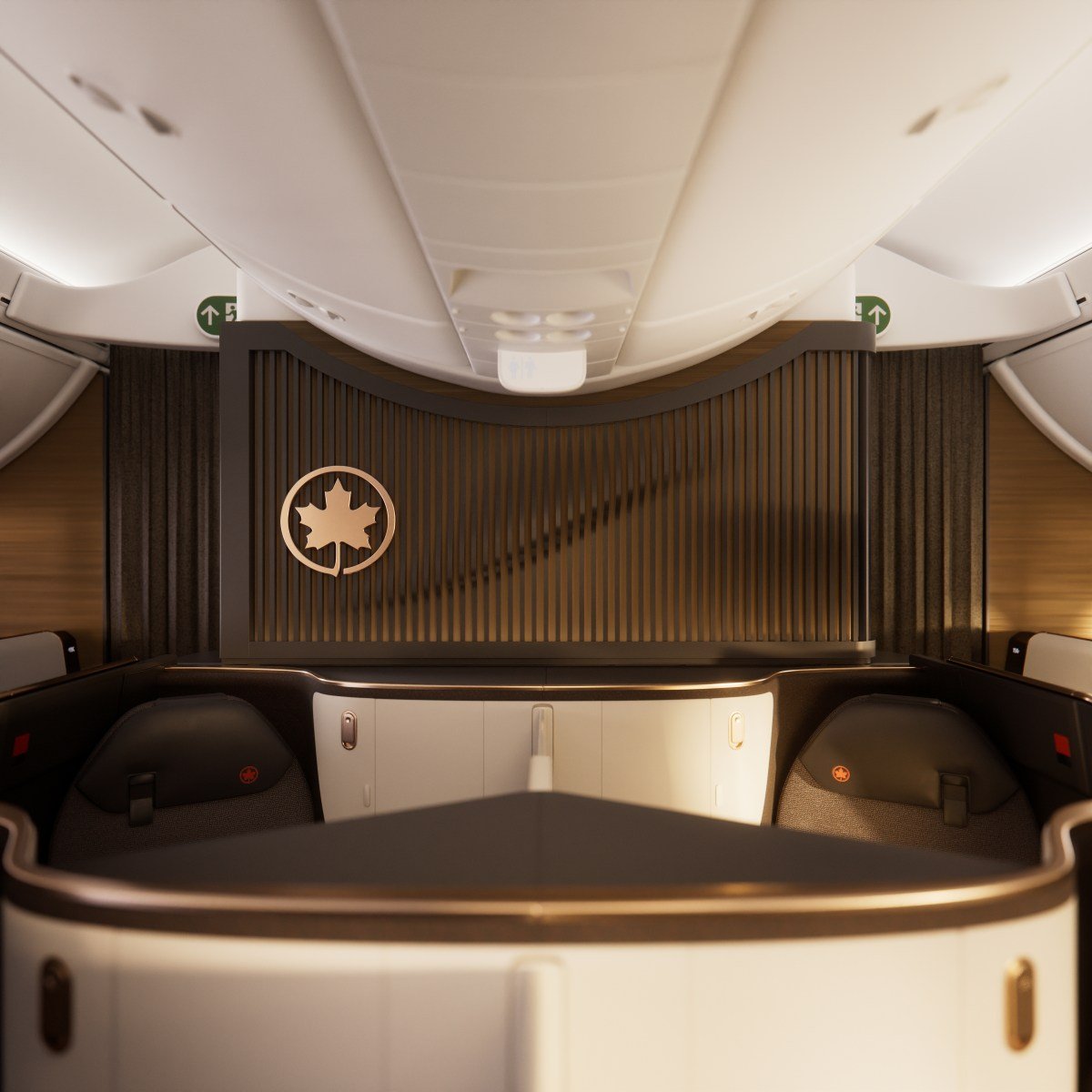
Air Canada Unveils Comprehensive Fare Rebranding Initiative
Air Canada has launched a comprehensive fare structure rebranding initiative, overhauling the names of its premium cabin fares to create a more intuitive booking experience for travelers. This strategic move, announced in April 2024, represents the airline’s commitment to simplifying its fare architecture while maintaining the high-quality services and benefits that passengers expect from Canada’s flagship carrier.
New Fare Names Enhance Customer Understanding
The fare structure rebranding introduces clearer nomenclature across Air Canada’s premium offerings. Premium Economy Lowest has been renamed Premium Economy Standard, while Premium Economy Flexible now carries the Premium Economy Latitude designation. Similarly, Business Lowest transforms into Business Standard, and Business Flexible becomes Business Latitude. These changes reflect a strategic shift toward more descriptive fare names that better communicate the flexibility and value proposition of each option.
Despite the name changes, Air Canada emphasizes that all existing services, amenities, and booking conditions remain unchanged. Passengers can continue to expect the same premium cabin experiences, including enhanced meal services, priority boarding, increased baggage allowances, and flexible change policies where applicable.
According to an Air Canada spokesperson, “We believe these changes will help passengers navigate and select fares that best meet their travel needs while providing greater transparency in our pricing structure.” The rebranding aligns with industry-wide efforts to modernize fare presentation and improve customer experience.
Technical Implementation and Booking System Updates
The transition maintains existing fare basis codes to ensure seamless integration with global distribution systems and travel agent platforms. Premium Economy Standard retains the PL suffix, Premium Economy Latitude uses PF, Business Standard continues with EL, and Business Latitude maintains the EF designation. This technical continuity minimizes disruption for travel professionals and corporate booking tools while supporting the consumer-facing improvements.
For group bookings, new requests in Business Class or Premium Economy will automatically use the updated fare names. However, existing group reservations will retain their original naming convention until completion, ensuring no confusion for travelers with confirmed bookings.
Industry Context and Competitive Positioning
This fare structure rebranding comes amid intensifying competition in the North American aviation market, where airlines are increasingly focused on premium cabin revenue optimization. Air Canada’s move follows similar initiatives by major carriers worldwide who have recognized that clear fare communication directly impacts booking conversion rates and customer satisfaction.
The airline industry has witnessed a significant shift toward revenue management strategies that emphasize fare transparency and simplified decision-making processes. By adopting “Standard” and “Latitude” designations, Air Canada aligns with industry best practices while differentiating its offerings in an increasingly crowded marketplace.
Impact on Travel Agents and Corporate Clients
Travel professionals have welcomed the changes, noting that the new naming convention makes it easier to explain fare differences to clients. The “Standard” and “Latitude” terminology clearly communicates the flexibility spectrum, with Standard fares offering essential premium cabin benefits and Latitude fares providing enhanced change and cancellation flexibility.
Corporate travel managers particularly benefit from this clarity when establishing travel policies and communicating approved fare types to employees. The intuitive naming structure reduces booking errors and ensures travelers select appropriate fares based on their trip requirements.
Future Implications for Air Canada’s Strategy
While passengers may require an adjustment period to familiarize themselves with the new terminology, Air Canada anticipates that the fare structure rebranding will ultimately enhance brand recognition and streamline the booking experience. The initiative reflects the airline’s broader digital transformation strategy, which includes improving online booking tools and mobile application functionality.
Industry analysts suggest this move positions Air Canada favorably for future fare structure evolution, potentially setting the stage for additional product enhancements and clearer value proposition communication across all cabin classes.
As Air Canada continues refining its customer experience strategy, this fare structure rebranding represents a foundational step toward more transparent, user-friendly travel booking. The initiative demonstrates the airline’s commitment to evolving alongside passenger expectations while maintaining its position as a premium carrier in the competitive North American market.