

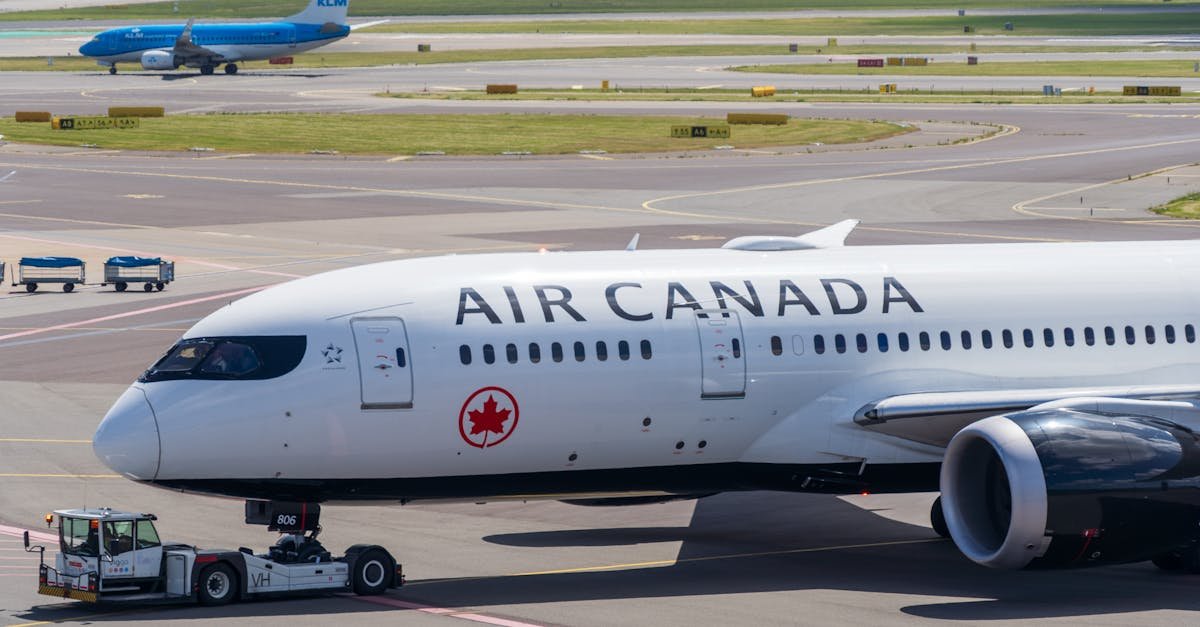
Air Canada Announces JFK Flight Suspension Amid Soaring Fuel Costs
Air Canada has announced a significant operational adjustment for the summer of 2023 by suspending all flights from Toronto Pearson (YYZ) and Montreal-Trudeau (YUL) to New York’s JFK International Airport. This Air Canada flight suspension will be effective from June 1 through October 25, 2023. The decision, driven by the sharp escalation in jet fuel prices, highlights the airline fuel cost impact currently exerting pressure on the aviation industry worldwide.
Details of Air Canada Flight Changes to JFK
The airline’s announcement marks the discontinuation of four daily flights to JFK, impacting thousands of travelers from both Toronto and Montreal. Specifically, the cut involves one daily flight from Montreal and three from Toronto, representing a substantial reduction in capacity on one of North America’s busiest cross-border routes. In a move to counterbalance these changes and mitigate passenger disruptions, Air Canada will maintain its services to New York’s other major airports: LaGuardia (LGA) and Newark (EWR).
Together, these remaining routes offer a total of 34 daily flights, underscoring the airline’s strategy to provide NYC airport alternative routes for affected passengers. The carrier operates these alternative services using a mix of narrow-body and wide-body aircraft, ensuring continued connectivity between major Canadian cities and the New York metropolitan area.
Industry-Wide Challenges from Rising Fuel Costs
The steep rise in jet fuel prices has been a critical factor influencing this decision, according to a statement from Air Canada. The airline noted that jet fuel prices have doubled since the start of recent geopolitical conflicts, making some lower profitability routes no longer economically viable. These adjustments highlight the airline operational challenges facing carriers worldwide, as international tensions and supply chain disruptions continue to exacerbate financial strains.
Industry analysts suggest that fuel costs now represent approximately 25-30% of total operating expenses for major airlines, compared to 15-20% in previous years. This dramatic increase has forced carriers to make difficult decisions about route profitability and operational efficiency. The airline’s response underlines the urgent need for carriers to reevaluate their operational strategies to maintain economic viability in an increasingly challenging market environment.
Broader Impact on Passengers and Aviation Industry
Air Canada, one of the largest carriers in Canada with over 200 destinations worldwide, isn’t isolated in facing these challenges. The escalating costs of jet fuel are a common burden for airlines across the industry, including major carriers like American Airlines, Delta, and international competitors, which are all struggling to sustain stable operations amid fluctuating market conditions and post-pandemic recovery efforts.
For travelers relying on Air Canada’s network between Toronto, Montreal, and New York, the decision necessitates significant adjustments in planning. Business travelers, in particular, may face increased complexity in scheduling meetings and connections through JFK, historically a preferred gateway for international connections. However, the airline is actively working to rebook impacted passengers and offer alternative travel options through its continuing flights to LaGuardia and Newark, as well as through partner airlines within the Star Alliance network.
Strategic Adaptations and Future Traveler Considerations
Despite the Air Canada flight suspension, the airline’s remaining services to New York play a crucial role in maintaining connectivity between Canada and the United States’ largest metropolitan area. By strategically focusing resources on LaGuardia and Newark operations, Air Canada aims to preserve customer satisfaction and brand loyalty while optimizing operational efficiency during challenging economic conditions.
As travelers navigate these Air Canada flight changes, considering flexible booking options and travel insurance becomes essential. The broader aviation landscape remains vigilant as fuel prices and global economic conditions continue to evolve unpredictably. For Air Canada, like many airlines worldwide, the ability to adapt quickly and reevaluate routes based on real-time market conditions will be key to maintaining financial health and operational sustainability.
As the situation continues to develop throughout 2023, Air Canada plans to continually assess its operations to align with fluctuating economic and market conditions. The airline has indicated it will monitor fuel costs and route performance metrics closely, with potential for service restoration if conditions improve. For visitors and travelers planning trips involving these routes, securing bookings with consideration to the recent schedule adjustments and exploring alternative airports or connection options is advisable to ensure seamless travel experiences during this period of industry uncertainty.

