

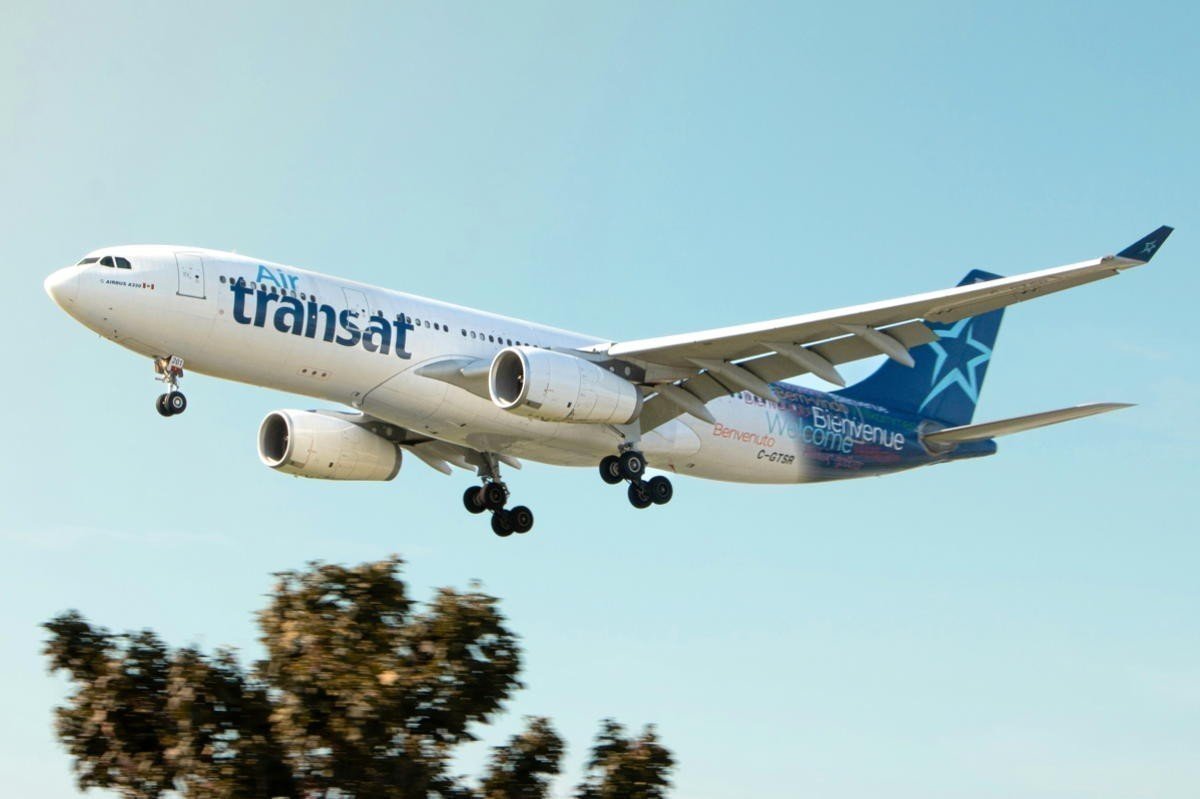
In an unexpected development that will significantly impact Canadian travelers, Air Transat has suspended Cuba flights from mid-June through the end of October 2026. This major operational decision stems from persistent fuel supply disruptions and the increasingly complex geopolitical landscape affecting Caribbean travel operations. The suspension marks one of the most substantial interruptions to Canada-Cuba air service in recent years.
Air Transat Cuba Flight Suspension: Comprehensive Details
The airline’s announcement, first reported through Travelweek Group’s Profession Voyages, outlined the comprehensive nature of the suspension affecting multiple Cuban destinations. Air Transat officials emphasized they are continuously monitoring the evolving situation and expect to make determinations about future flight schedules within the coming weeks. The Air Transat Cuba flights suspension affects thousands of Canadian travelers who traditionally rely on these routes for winter getaways and cultural exploration.
Air Transat has committed to maintaining transparent communication throughout this challenging period. “Customers with existing reservations will be contacted directly to discuss available options and alternative arrangements,” the airline stated in their official communication. This proactive approach demonstrates the carrier’s dedication to customer service despite facing unprecedented operational constraints.
The fuel supply issues plaguing Cuban airports have created a domino effect across the aviation industry. These shortages, combined with infrastructure challenges and economic pressures, have made reliable flight operations increasingly difficult to maintain. Industry analysts suggest these problems reflect broader economic challenges facing the Caribbean nation.
Widespread Impact on Canadian Aviation Industry
The Air Transat Cuba flights suspension has triggered a cascade of similar decisions across Canada’s aviation sector. Sunwing Vacations Group quickly followed suit, extending its own suspension to popular Cuban destinations including Varadero, Cayo Coco, and Holguin from June 20 through October 9, 2026. These destinations typically attract thousands of Canadian sun-seekers during peak travel seasons.
Air Canada has implemented an even more conservative approach, halting all Cuba operations until November 1, 2026. Meanwhile, vacation specialist Hola Sun has similarly paused its Cuban charter operations. This coordinated response across multiple carriers suggests industry-wide concerns about operational reliability and passenger safety.
The suspension aligns with the Canadian government’s updated travel advisory discouraging non-essential travel to Cuba. This official guidance reflects mounting concerns about infrastructure reliability, supply chain disruptions, and the broader economic instability affecting the island nation.
Economic and Cultural Ramifications for Travelers
Cuba has long held special appeal for Canadian travelers, offering an authentic Caribbean experience rich in music, colonial architecture, pristine beaches, and revolutionary history. The country’s unique cultural heritage, from Havana’s vibrant nightlife to Trinidad’s UNESCO World Heritage sites, has made it a top destination for Canadian tourists seeking alternatives to more commercialized Caribbean islands.
The extended Air Transat Cuba flights suspension will likely redirect Canadian travelers toward alternative Caribbean destinations such as Dominican Republic, Mexico’s Riviera Maya, or Jamaica. This shift could significantly impact Cuba’s tourism-dependent economy while potentially increasing demand and prices for other warm-weather destinations.
Travel agents across Canada report increased inquiries about alternative tropical destinations as clients scramble to modify their vacation plans. The suspension period covers the crucial fall and early winter booking season, when Canadians typically secure their winter escape packages.
Industry Response and Future Outlook
Tourism industry experts suggest the current situation reflects broader challenges facing Caribbean aviation infrastructure. The fuel supply issues affecting Cuban airports highlight the region’s vulnerability to supply chain disruptions and economic pressures.
Canadian travel insurance companies have reported increased claims related to trip cancellations and modifications, underscoring the suspension’s financial impact on travelers. Many are advising clients to purchase comprehensive coverage for future bookings given the uncertain operational environment.
Traveler Recommendations and Next Steps
As the situation continues evolving, travelers are strongly encouraged to maintain flexible booking strategies and stay informed about developments. The Air Transat Cuba flights situation demonstrates how quickly travel plans can change due to geopolitical and economic factors beyond individual control.
Airlines are expected to provide regular updates as they monitor fuel supply improvements and infrastructure developments in Cuba. Travelers with existing bookings should expect direct communication from their carriers regarding refund options, credit extensions, or alternative destination packages.
The coming months will be crucial in determining when normal flight operations can resume, with industry observers closely watching for signs of infrastructure improvements and supply chain stabilization that could enable the restoration of regular Canada-Cuba air service.

