

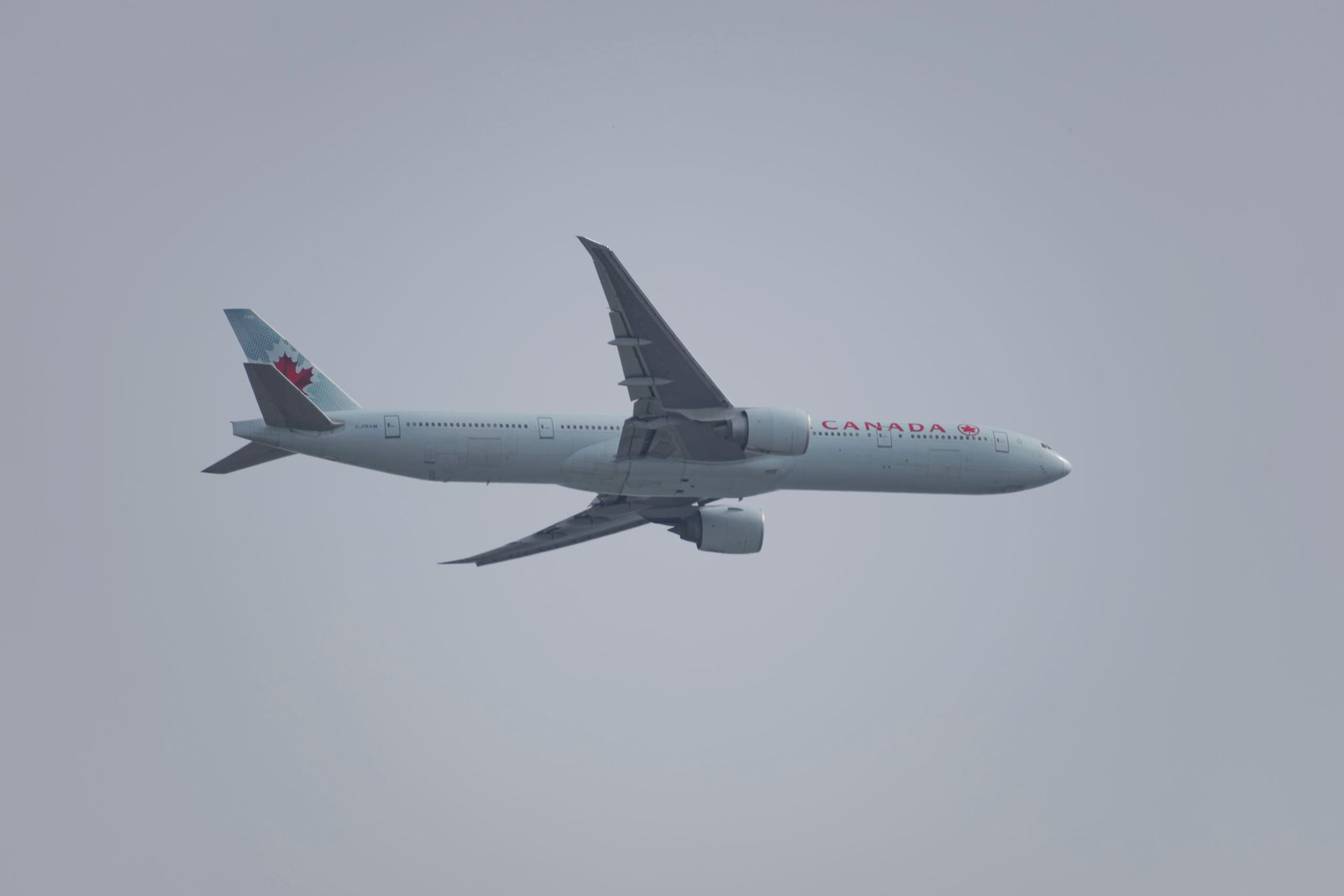
Air Canada Pioneers New Complaint Resolution with Third-Party Arbitration
Air Canada has initiated a groundbreaking pilot project aimed at enhancing its passenger complaint resolution process by introducing an innovative third-party arbitration mechanism. Faced with an escalating CTA complaint backlog, the Montreal-based carrier seeks to address the growing frustration among travelers, whose grievances with the Canadian Transportation Agency might remain unsettled for up to three years.
Tackling Air Canada’s Mounting Complaint Challenge
In an ambitious move, Air Canada has teamed up with the UK-based CDRL Group, renowned for its expertise in managing dispute claims across varied sectors. This partnership establishes a new arbitration track funded by Air Canada, initially targeting 500 claimants who have already filed complaints through the CTA. These cases, frequently involving flight delay compensation and cancellations, contribute to a swelling backlog that has now surpassed 96,000 grievances.
The sheer volume of complaints has created a crisis of confidence in Canada’s aviation dispute resolution system. The CTA, overwhelmed by the post-pandemic surge in travel disruptions and passenger grievances, has struggled to maintain reasonable processing times. This has left thousands of travelers in limbo, uncertain whether they’ll receive compensation for legitimate claims related to flight delays, cancellations, and lost baggage.
Marc Barbeau, Air Canada’s chief legal officer, articulated the airline’s vision to restore customer trust through this initiative. “That trust can be shaken,” Barbeau noted. “During that whole time, they are thinking that we are withholding funds that we owe to them… For us that’s an issue, because we would like to restore that client’s confidence in us, restore the trust.”
Revolutionary Arbitration Process in Action
The pilot project promises passenger complaint resolution within 90 days, a stark contrast to the prolonged delays inherent in the current system. Although participating in this alternative process is optional, and decisions are not final, claimants retain their places in the CTA complaint queue if they opt-out. This flexibility, coupled with the project’s transparency, allows participants to share their arbitration experiences, diverging from the typically confidential CTA procedures.
The arbitration process offers several advantages over traditional regulatory channels. Participants can present their cases through streamlined procedures, with decisions based on documented evidence and established passenger rights regulations. The CDRL Group’s arbitrators bring international experience in aviation disputes, having handled similar cases across European markets where alternative dispute resolution has proven successful.
Despite these advantages, the initiative has encountered skepticism. Gabor Lukacs, president of Air Passenger Rights, raised concerns about the impartiality of the CDRL Group, highlighting issues with transparency based on past user experiences. His remarks underscore skepticism about whether the arbitrators can offer unbiased resolutions when the process is funded by the airline itself.
Industry Impact and Traveler Benefits
Barbeau highlighted similar European arbitration models, which boast resolution times of less than three months, setting a speed benchmark that Air Canada aims to match. To provide context, the CTA has managed to resolve approximately 30,000 complaints in the past two years, highlighting the efficiency challenge Air Canada seeks to overcome with its 500 directed cases.
For travelers, this initiative could spell a quicker path to resolving disputes, sidestepping the lengthy CTA process. The program specifically targets common complaint categories including denied boarding compensation, baggage handling issues, and accessibility-related grievances. Early participants report satisfaction with the streamlined communication process and regular updates on case progress.
Yet, trust in the new arbitration scheme remains critical. Sylvie De Bellefeuille of Option consommateurs expressed concerns about potential confusion given the complexities of existing systems. Additional clarity and guidance could be beneficial to minimize misunderstandings about passenger rights and available remedies.
The Future of Aviation Dispute Resolution
As Air Canada explores this new territory, the success of the pilot project might set a precedent for permanent implementation across the Canadian aviation industry. Other major carriers are closely monitoring the program’s effectiveness, with WestJet and Porter Airlines reportedly considering similar initiatives to address their own complaint backlogs.
The program’s success could influence regulatory policy, potentially prompting the CTA to reform its own procedures or endorse industry-led arbitration programs. International aviation authorities are also watching Canada’s experiment, as similar complaint processing challenges plague airlines worldwide.
In conclusion, while the initiative’s ultimate efficacy remains to be seen, it signals Air Canada’s proactive stride towards rebuilding trust and refining customer service practices. This innovative approach to passenger complaint resolution could revolutionize how airlines handle disputes, potentially creating a more efficient and customer-friendly system that benefits both travelers and the aviation industry as a whole.

