

Potential Shift in Canadian Airports Privatization
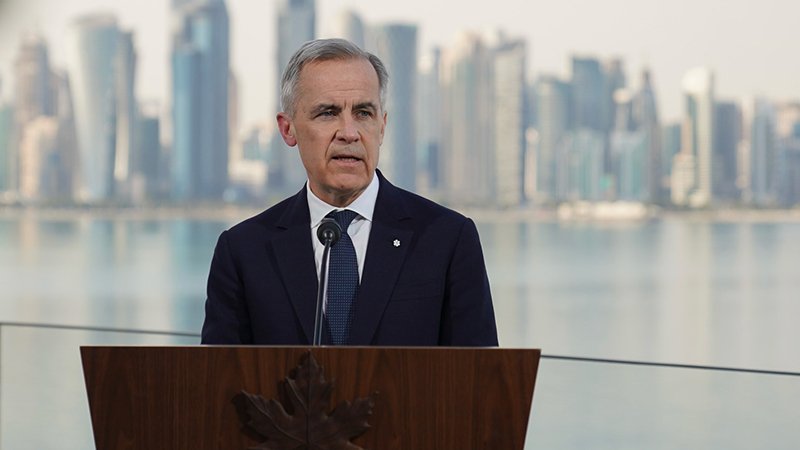
Canadian airports may soon experience a transformative shift as the Ottawa government examines the privatization of airports to fully capitalize on public assets. Prime Minister Mark Carney’s government has recently revealed a potential change in Canada airport ownership, exploring various models to modernize and enhance the national aviation landscape. This airport privatization initiative represents one of the most significant policy shifts in Canadian aviation history.
Privatizing the country’s publicly owned airports was a focal point of discussion during the announcement of the 2025 budget. The proposals in the budget suggest increased private investments could lead to longer leasing terms, expanded commercial development, and new lease frameworks. The potential shift from a public to private airport model could be an integral part of this plan, aiming to leverage federally owned airports to fund the Canada Strong Fund. This fund is designed to rejuvenate national infrastructure, marking a significant pivot in the nation’s economic landscape.
According to sources within the government, monetizing federal assets, particularly airports, could provide essential capital for the Canada Strong Fund. The idea of either partial or full privatization is not unheard of but has gained momentum under the current administration. As noted by McCarthy Tetrault, a leading Canadian law firm, a similar review was conducted in 2016 but stalled due to political concerns and resistance from airport authorities. However, today’s fiscal environment and post-pandemic recovery needs might pave the way for renewed interest and decisive action.
Engagement from Canadian Airports Council
The Canadian Airports Council (CAC), representing major airports in the country, has voiced openness to discussions regarding the privatization efforts. They emphasize the importance of maintaining affordability across all potential models while ensuring service quality improvements. The council advocates that enhanced partnerships and investments could stimulate growth and improve connectivity across Canada, thereby solidifying airports as pivotal hubs for international commerce.
CAC President Daniel-Robert Gooch stated that any privatization model must prioritize passenger experience and operational efficiency. The organization has outlined several key considerations, including maintaining current employment levels, ensuring competitive pricing for airlines, and preserving Canada’s reputation for aviation safety and security standards.
Ottawa’s approach also includes diversifying airport investment and operation models to better respond to evolving industry needs and technological innovations. The government is examining successful privatization models from countries like the United Kingdom, Australia, and Denmark, where airport privatization has led to increased efficiency and improved passenger services.
International Precedents and Models
Several international examples provide valuable insights into potential outcomes of airport privatization. London’s Heathrow Airport, privatized in 1987, has become one of the world’s busiest international hubs, demonstrating how private ownership can drive growth and innovation. Similarly, Copenhagen Airport’s partial privatization has resulted in significant infrastructure improvements and enhanced passenger satisfaction ratings.
Industry analysts suggest that Canada’s unique geographic challenges and dispersed population could benefit from private sector expertise in optimizing route networks and improving operational efficiency. Private operators often bring advanced technology solutions, streamlined processes, and access to international capital markets for major infrastructure projects.
Implications for Travelers and Infrastructure
Privatizing airports might generate substantial financial resources, critical for funding national projects under the Canada Strong Fund. For travelers, this could mean enhanced services and infrastructure in the future, as private entities often bring efficiency-focused improvements and customer service innovations. However, concerns remain about potential increases in airport fees and the impact on smaller regional airports that may be less attractive to private investors.
Travel industry experts anticipate that privatization could lead to modernized terminal facilities, improved digital services, and more diverse retail and dining options. However, regulatory frameworks will be crucial to ensure that private operators maintain service standards and accessibility across all Canadian airports, including those serving remote communities.
As conversations progress over the coming months, industry observers and travelers alike should stay informed about how these potential transformations in Canadian aviation could redefine travel experiences. This evolving situation forms a critical component of Canada’s broader strategy for government infrastructure funding and is set to shape the Canadian travel landscape for years to come, making it essential to monitor developments as they unfold.
Sources
Information compiled from Transport Canada announcements, Canadian Airports Council statements, McCarthy Tetrault legal analysis, and government budget documentation.

