

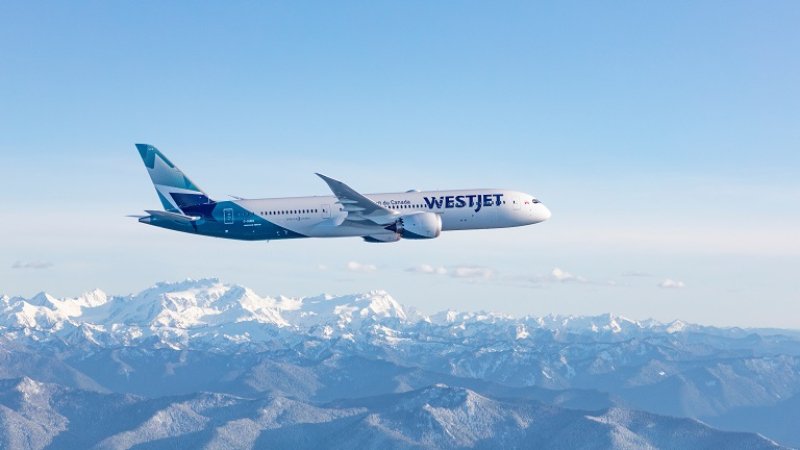
WestJet, under the leadership of CEO Alexis von Hoensbroech, has announced strategic fare increases to combat unprecedented surging fuel costs that have nearly doubled the airline’s operational expenses. The Calgary-based carrier joins a growing list of airlines worldwide implementing price adjustments as the aviation industry grapples with volatile fuel markets driven by geopolitical instability, particularly tensions involving the United States, Israel, and Iran.
The fare increases, which began rolling out in early 2023, represent a critical survival strategy for the airline as it navigates one of the most challenging cost environments in recent aviation history. Von Hoensbroech emphasized that these adjustments are not optional but essential for maintaining operational viability in today’s market conditions.
Strategic Airline Management Tackles Rising Operational Expenses
The fare increases emerge as a direct response to geopolitical risks that have severely disrupted global fuel supply chains throughout the year. Regional conflicts and international sanctions have created unprecedented volatility in oil markets, forcing airlines to reassess their pricing strategies fundamentally.
“Just logically, there’s no other way, because you’re either passing your costs on, or you’re out of business,” von Hoensbroech stated during a recent industry conference, underscoring the stark reality facing Canadian airlines. This pragmatic approach reflects the broader challenges confronting the aviation sector as carriers worldwide struggle to balance profitability with passenger accessibility.
Rather than compromising service quality or eliminating popular routes, WestJet has opted for a measured capacity optimization strategy. The airline implemented an initial conservative capacity reduction of approximately 1% earlier this year, followed by a more substantial 3% reduction this month, with plans for a 5.5% capacity cut scheduled for June.
The capacity adjustments primarily target domestic Canadian routes, where the airline maintains its strongest market position. Meanwhile, popular international services to the United States and sun destinations will experience minimal impact, recognizing the high demand and revenue potential of these premium routes during peak travel seasons.
Industry-Wide Fee Adjustments Reflect Market Pressures
Beyond base fare increases, WestJet has updated its ancillary fee structure, particularly for checked baggage services. These adjustments align with industry standards established by major competitors, including Air Canada, which has similarly restructured its fee schedules over the past three years.
Current checked baggage fees range from $45 to $123 per bag, depending on route, booking class, and elite status. These charges reflect the airline’s strategy to unbundle services while maintaining competitive positioning in the North American market.
According to travel booking platform Kayak, domestic Canadian airfares have surged nearly 20% compared to previous year rates, highlighting the significant financial pressures affecting travelers across the country. This trend extends beyond WestJet, with most major carriers implementing similar pricing strategies to offset operational cost increases.
Passenger Impact and Market Adaptation Strategies
The fare increases create ripple effects throughout the Canadian travel ecosystem, potentially reshaping consumer booking behaviors and travel patterns. Price-sensitive demographics may reduce travel frequency or shift to more affordable alternatives, while business travelers and those with flexible budgets may absorb the additional costs.
Travel industry analysts predict that leisure travelers will increasingly adopt flexible booking strategies, monitoring fare fluctuations more closely and potentially adjusting destination choices based on pricing. This behavioral shift could benefit secondary markets and alternative transportation modes, including rail and bus services for shorter domestic routes.
Consumer advocacy groups recommend that travelers maintain vigilance regarding fare changes and consider strategic booking timing to minimize impact. Advanced booking windows, flexible date searches, and loyalty program optimization become increasingly valuable tools for cost-conscious travelers navigating the evolving pricing landscape.
Future Outlook and Industry Implications
WestJet’s pricing strategy reflects broader aviation industry challenges as carriers worldwide balance operational sustainability with customer accessibility. The airline’s measured approach to capacity management and service preservation suggests confidence in long-term market recovery despite near-term headwinds.
As geopolitical tensions continue influencing global fuel markets, the aviation industry faces an extended period of pricing volatility. WestJet’s proactive approach to fare increases positions the airline to maintain service quality and route networks while ensuring financial stability in an increasingly challenging operational environment.

