

American Airlines Denies Interest in United Merger Amidst Industry Buzz
Amid intensifying speculation within the aviation industry, American Airlines has decisively shut down rumors of a potential merger with United Airlines. The airline merger speculation has captured the attention of industry analysts and travelers alike, prompting American Airlines to issue a forthright declaration confirming it is neither in discussions nor seeking a merger with its industry peer, United Airlines.
The announcement comes at a time when the airline industry faces unprecedented challenges, from fluctuating fuel costs to evolving consumer travel patterns post-pandemic. Industry experts have been discussing potential consolidation scenarios as airlines seek to strengthen their market positions and operational efficiency in an increasingly competitive landscape.
“We are not engaged with or interested in any discussions regarding a merger with United Airlines,” reiterated American Airlines, emphasizing its commitment to competitive practice and regulatory compliance. This statement follows an acknowledgment by U.S. Secretary of Transportation Sean Duffy, who noted potential U.S. airline consolidation trends. However, a union of giants like American and United faces overwhelming regulatory obstacles due to their extensive global operations.
Regulatory Challenges and Antitrust Concerns
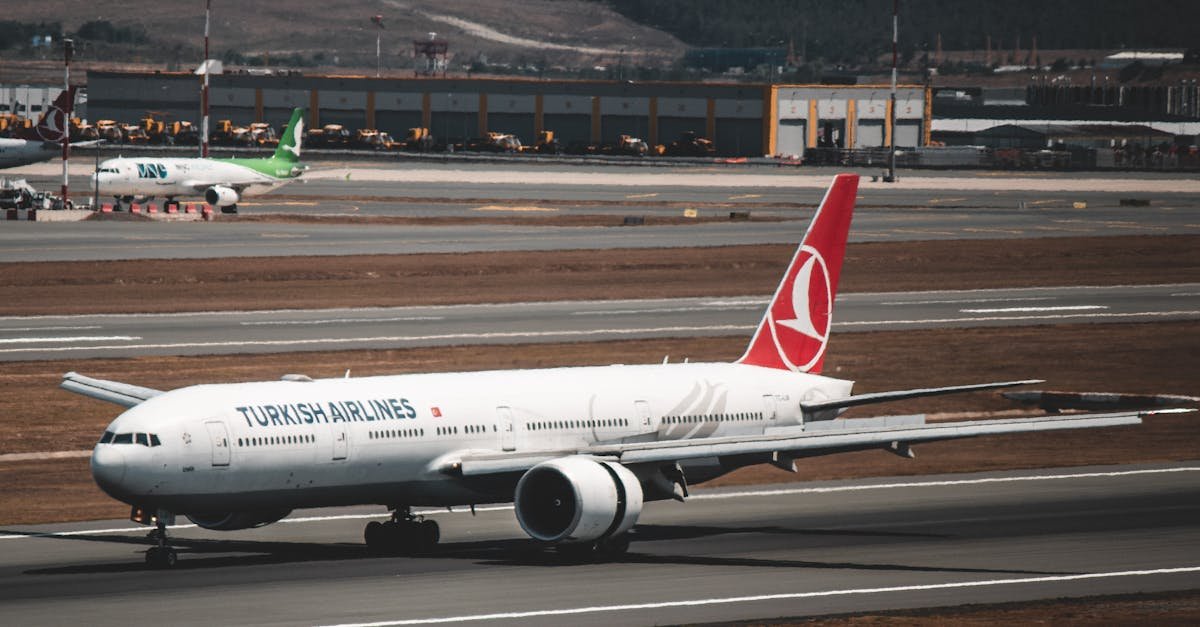
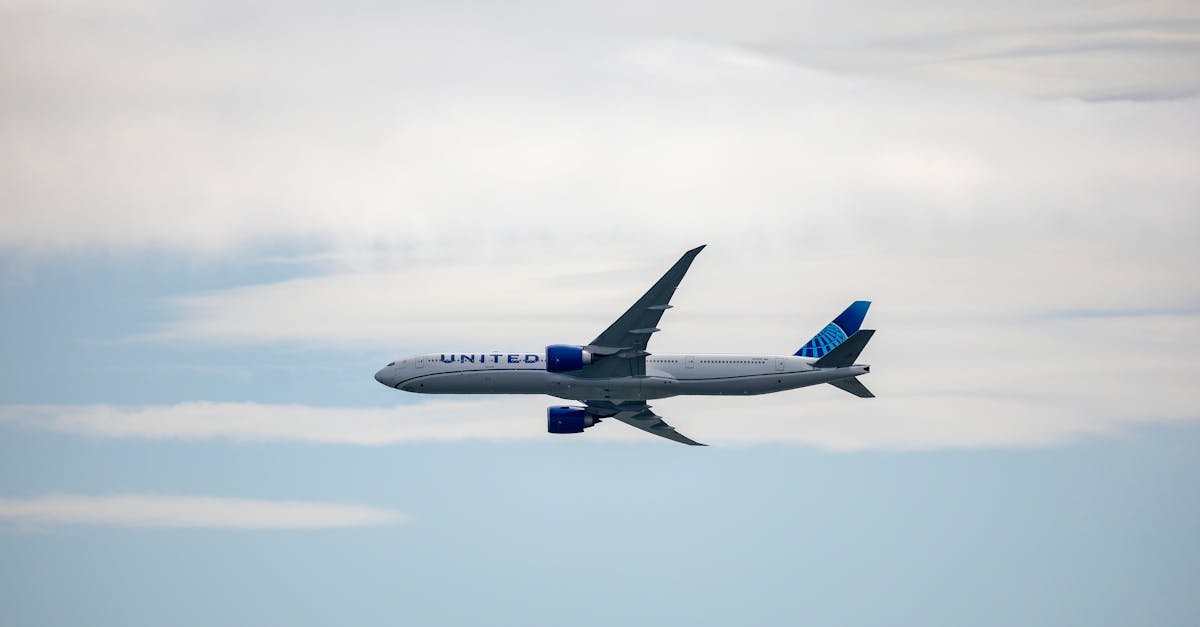
Both American Airlines and United Airlines, along with Delta Air Lines, dominate as the largest airlines globally by passenger volume and route networks. A merger between these aviation titans would create an unprecedented giant in the industry, controlling a substantial portion of domestic and international air travel routes. Such consolidation would inevitably draw intense antitrust scrutiny from federal regulators.
The Biden administration has demonstrated a particularly aggressive stance toward large-scale mergers across various industries, with the Department of Justice and Federal Trade Commission blocking numerous high-profile deals. The current regulatory environment suggests that any airline merger speculation involving major carriers faces significant hurdles, particularly given concerns about reduced competition and potential impacts on airfare pricing.
Historical precedent also suggests regulatory skepticism. The proposed merger between American Airlines and US Airways in 2013 faced substantial government opposition before ultimately receiving approval with significant conditions. A merger between American and United would dwarf that transaction in scale and market impact.
Market Dynamics and Competitive Landscape
Current competitive dynamics among major U.S. airlines remain robust, with each carrier vying to secure market share through route expansion, service improvements, and loyalty program enhancements. The three major legacy carriers—American, United, and Delta—have established distinct market positions and operational strategies that differentiate them in the marketplace.
American Airlines has focused heavily on its hub-and-spoke model centered around key markets like Dallas-Fort Worth and Charlotte, while United has emphasized its strong international presence and technology investments. These strategic differences have created healthy competition that benefits consumers through varied service options and competitive pricing.
Travel Industry Stability and Consumer Impact
For travelers, American Airlines’ clear rejection of merger speculation delivers reassurance about travel industry stability. Loyal customers of both airlines can continue to rely on existing frequent flyer programs, route networks, and service standards without the uncertainty that typically accompanies major corporate consolidations.
The speculation surrounding potential airline mergers often creates anxiety among frequent travelers who worry about program changes, route eliminations, or service disruptions. American’s definitive statement helps alleviate these concerns while maintaining focus on operational improvements and customer service enhancements.
Industry analysts note that both carriers have invested significantly in fleet modernization, digital infrastructure, and customer experience improvements. These investments represent long-term strategic commitments that would complicate any potential merger discussions.
Looking Forward: Independent Growth Strategies
The unequivocal stance of American Airlines underscores the complicated regulatory environment surrounding airline merger speculation in today’s market. The company has signaled a clear direction, prioritizing its current operations and independent growth strategies over potentially transformative but risky consolidation moves.
As industry followers continue to monitor consolidation discussions across the aviation sector, the regulatory approach to such mergers will undoubtedly influence future landscape developments. American Airlines’ message emphasizes that operational sustainability, route network optimization, and strategic market positioning remain paramount as they navigate an evolving industry future.
Sources
This article is based on official statements from American Airlines, public comments from transportation officials, and industry analysis from aviation sector experts.

