
Lufthansa CityLine Termination: A Strategic Restructure Amid Soaring Costs
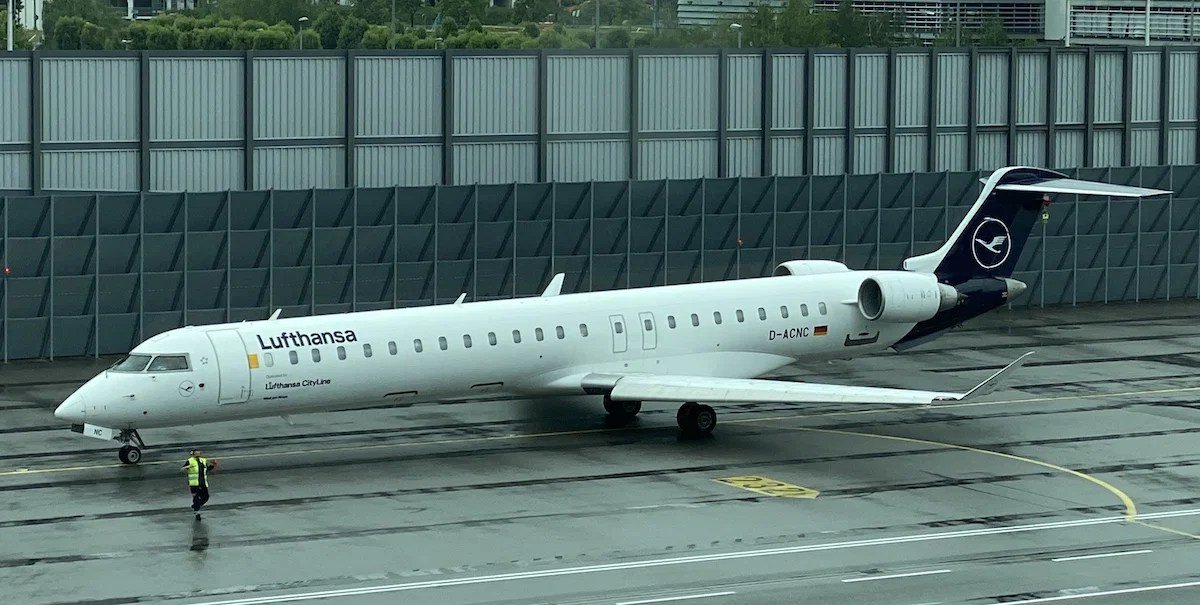
In a decisive action reshaping regional air travel across Europe, the Lufthansa Group has terminated its Lufthansa CityLine operations as it navigates rising jet fuel costs and financial hurdles heightened by labor disputes. Originally planned to end in 2027, this cessation has been moved forward as part of Lufthansa’s strategic realignment for regional travel, marking a significant shift in European aviation connectivity.
The immediate halt to Lufthansa CityLine services includes an automated cancellation and rebooking process for flights scheduled up to May 31. Following this period, Lufthansa intends to revamp its summer schedule across Europe, ensuring continuity on vital routes by leveraging its group resources or entering strategic partnerships with other airlines. The airline has committed to minimizing passenger inconvenience through proactive rebooking on alternative flights within the Lufthansa network.
Regional Air Travel Impacts: Fleet Withdrawals and Market Consolidation
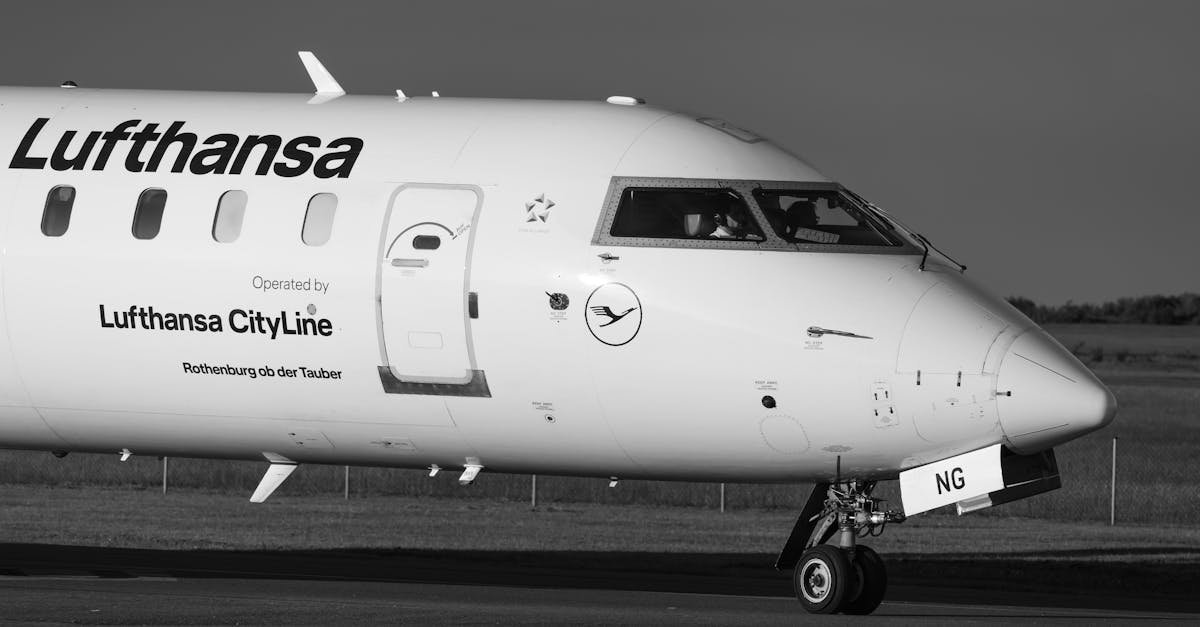
As a direct outcome of this decision, 27 aircraft that served CityLine routes will be retired, representing a significant capacity reduction in the regional aviation market. Till Streichert, Chief Financial Officer of the Lufthansa Group, admitted the difficulty of this decision, but stressed its necessity amidst current financial conditions driven by volatile fuel prices and increased operational costs.
Despite the challenges, Lufthansa is committed to realigning its regional services with the creation of Lufthansa City Airlines, a new subsidiary established in 2024, positioned to offer similar services more cost-effectively. This new entity represents the airline’s attempt to maintain regional connectivity while adapting to market pressures through more efficient operational models and reduced overhead costs.
Industry analysts note that this move reflects broader trends in European aviation, where legacy carriers are streamlining operations to compete with low-cost carriers and address post-pandemic recovery challenges. The consolidation of regional services under more efficient structures has become a common strategy across the industry.
Strategic Airline Restructuring Plans and Fleet Modernization
For over 68 years, Lufthansa CityLine operations connected major hubs and smaller cities like Poznan, Basel, and Turin, playing a key role in European travel connectivity. This shift from legacy strategies reflects an emphasis on streamlined and efficient operations designed to preserve profitability in an increasingly competitive market.
As part of a broader restructuring initiative, Lufthansa will not only cease CityLine but also retire its Airbus A340-600s by October and phase out two Boeing 747-400s this winter, with final retirement by 2027. These older, less fuel-efficient aircraft are being replaced by modern, environmentally friendly alternatives that offer better operational economics.
The strategic plan aims to cut 4,000 administrative positions within the Group by 2030 and move nine additional Airbus A350-900 aircraft to its Discover Airlines brand. These moves reflect the airline’s adaptation to changing market dynamics, heavily influenced by geopolitical concerns impacting fuel prices and supply chain disruptions affecting global aviation.
Impact on Travelers and Future Market Outlook
Travelers may encounter short-term disruptions in regional connectivity but can expect new service models through Lufthansa City Airlines, which plans to operate former CityLine routes with improved efficiency. The transition period will likely see some schedule adjustments and potential route modifications as the new subsidiary establishes its operational framework.
Industry observers are carefully monitoring how these changes will redefine Lufthansa’s market presence and its ability to remain competitive in the face of economic pressures. The success of this restructuring could influence similar moves by other European carriers facing comparable challenges.
The broader implications for European regional travel include potential market consolidation, with remaining carriers possibly gaining market share on abandoned routes. However, some smaller destinations may experience reduced flight frequency or require alternative travel arrangements through partner airlines.
In conclusion, while these decisions present immediate challenges, they are integral to Lufthansa’s strategy for sustainability in a volatile market. The airline group’s forward-looking operational improvements seek to preserve the robust connectivity synonymous with Lufthansa’s offerings in Europe, asserting their commitment to excellence amid an evolving industry landscape. The successful implementation of these Lufthansa CityLine operations changes will likely determine the carrier’s competitive position in the European market for years to come.