

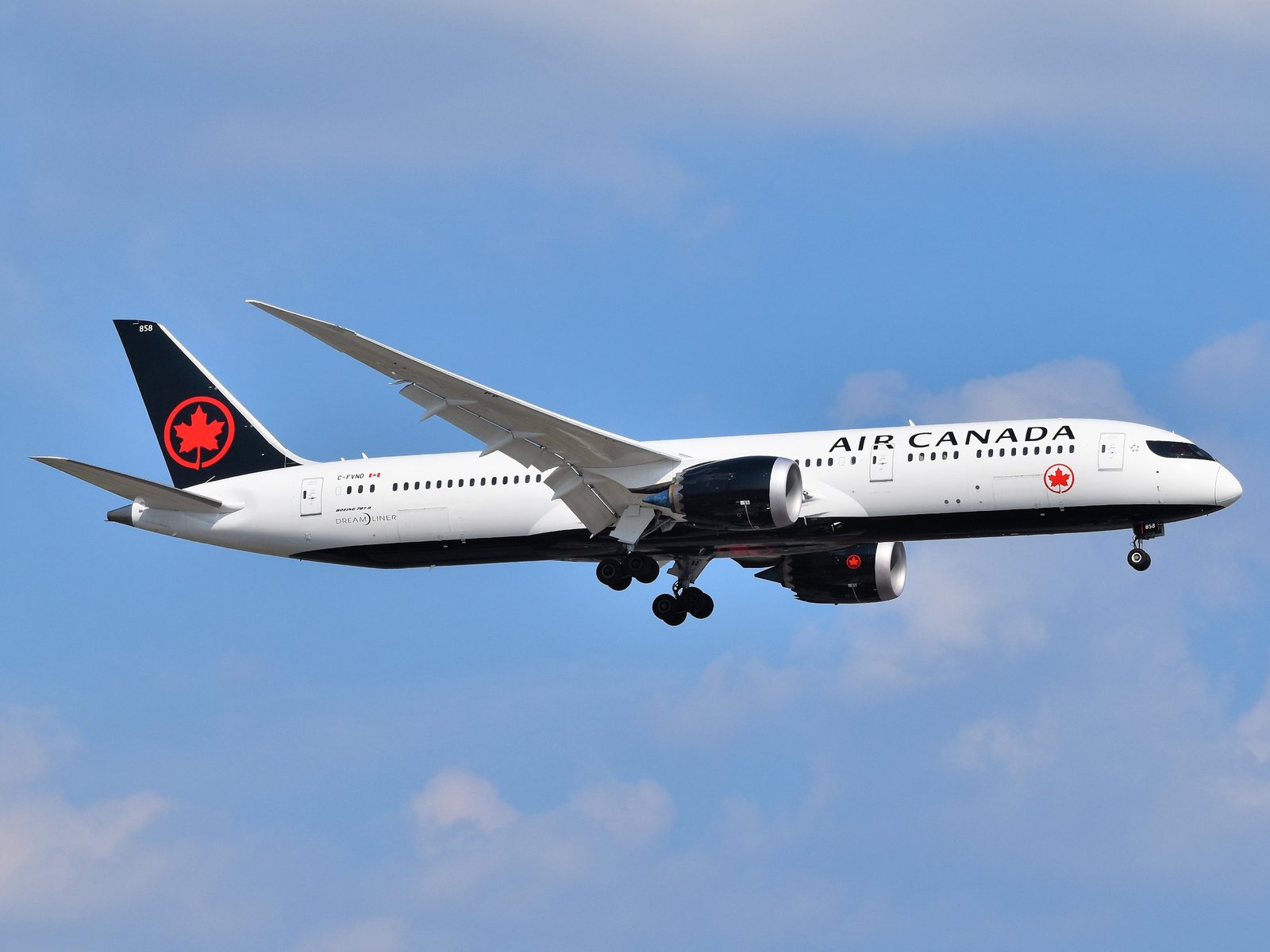
Air Canada Announces JFK Route Suspension Amid Rising Fuel Costs
Air Canada has announced the suspension of its daily routes from Toronto and Montreal to New York’s JFK Airport, effective June 1st. This decision arises from a sharp increase in jet fuel prices, exacerbated by geopolitical tensions in the Middle East, particularly involving Iran. The Air Canada JFK route suspension represents a strategic move by the airline to maintain economic viability amidst challenging market circumstances that have fundamentally altered the cost structure of international aviation operations.
Strategic Route Management by Air Canada
The airline explained that increased jet fuel prices have significantly affected the profitability of the JFK routes. Specifically, the conflict with Iran has reportedly doubled fuel expenses, compelling a comprehensive re-evaluation of operational strategies. “Our continuous review of our network ensures that we’re prioritizing sustainable operations,” as stated by Air Canada representatives. This ongoing situation has made sustaining specific routes unfeasible, leading to these necessary adjustments that reflect broader industry trends toward cost optimization.
The decision to suspend the Air Canada JFK route follows extensive financial analysis demonstrating that maintaining service on these routes would result in substantial operational losses. Industry analysts suggest that the airline’s proactive approach to route management positions it better than competitors who may be slower to adapt to volatile fuel markets. The suspension affects approximately 14 weekly departures from Canada’s two largest metropolitan areas, representing a significant capacity reduction in the Toronto-New York and Montreal-New York corridors.
Ensuring Connectivity through LaGuardia and Newark
Despite the Air Canada JFK route suspension, the airline assures travelers of sustained connectivity in the New York region. Up to 34 daily flights will continue to operate to other major airports, including LaGuardia and Newark. This extensive service network allows both business and leisure travelers to access the vibrant New York metropolitan area, demonstrating Air Canada’s adaptability in route management while maintaining market presence in this crucial business corridor.
The alternative routing strategy through LaGuardia and Newark airports offers several advantages for passengers, including potentially shorter ground transportation times to Manhattan and midtown business districts. Newark Liberty International Airport, in particular, provides excellent rail connectivity to New York City through the AirTrain Newark system, while LaGuardia’s recent terminal renovations have significantly improved passenger experience and operational efficiency.
Global Impact on Airline Operations
Air Canada is not alone in facing these challenges; the current situation presents obstacles confronting airlines worldwide. Aviation industry experts describe this as an “unprecedented jet fuel crunch,” forcing many European and North American carriers to reassess the economic viability of their international routes. The broader aviation industry is grappling with increased operational costs, supply chain disruptions, and the need to adapt flight schedules in response to these multifaceted challenges.
Similar route suspensions and capacity reductions have been announced by major carriers across the Atlantic, with several European airlines postponing new route launches and reducing frequencies on existing services. This industry-wide response underscores the severity of current market conditions and the universal impact of geopolitical instability on aviation fuel markets.
Mitigating Passenger Disruption
In light of the JFK route suspension, Air Canada is implementing comprehensive measures to minimize passenger disruption. The airline is proactively reaching out to customers with existing reservations, offering alternative travel options that include rebooking onto flights to LaGuardia or Newark. Additionally, the carrier is providing flexible rebooking policies, waiving change fees, and offering full refunds for passengers who prefer to cancel their travel plans entirely.
Customer service teams have been reinforced to handle the increased volume of rebooking requests, and the airline has established dedicated support lines for affected passengers. These efforts demonstrate Air Canada’s commitment to maintaining customer loyalty during this challenging operational period.
Looking Ahead: Resumption Plans
Air Canada anticipates resuming its JFK service on October 25th, conditional on improvements in fuel prices and geopolitical stability. This prospective resumption of the Air Canada JFK route illustrates the airline’s operational agility and commitment to aligning strategic decisions with external economic factors while continuously prioritizing passenger needs and market demand. The timing coincides with the traditional winter schedule change, allowing for comprehensive route planning and resource allocation.
The aviation industry continues to navigate unprecedented challenges, with fuel costs representing the largest variable expense for most carriers. As geopolitical situations evolve and energy markets stabilize, the return of suspended routes like the Air Canada JFK route will serve as important indicators of the industry’s recovery and adaptation to new operational realities.

