

European Airlines Jet Fuel Crisis Forces Flight Reductions Across Europe
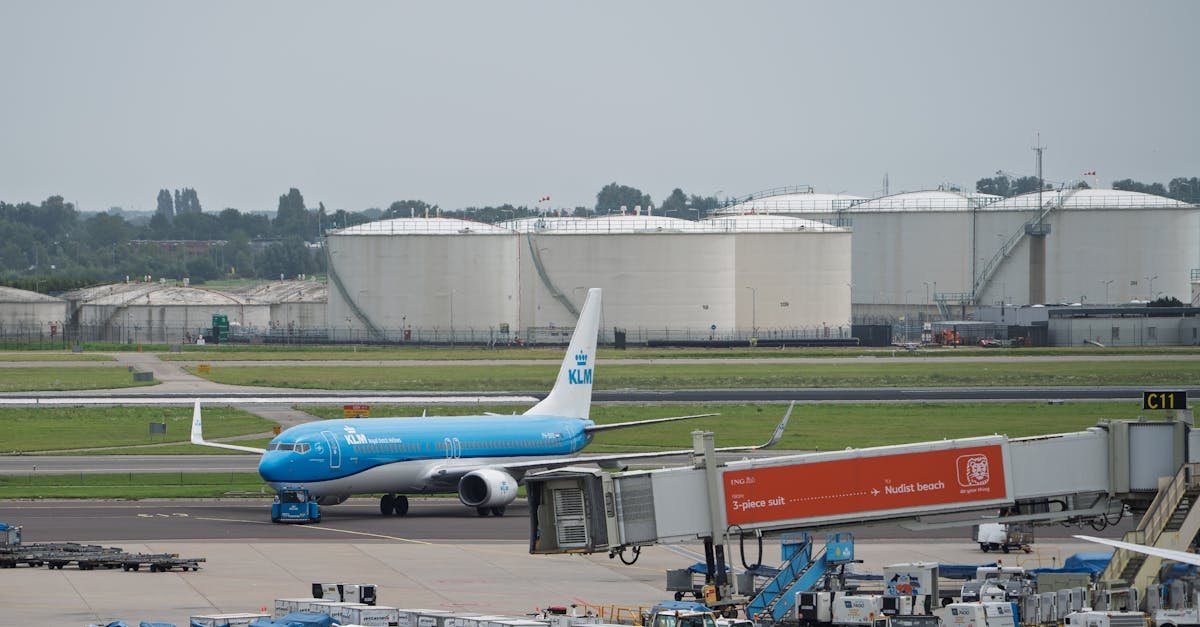
European airlines are contending with a grave European jet fuel shortage, driven by supply chain disruptions and escalating operational costs. As the summer travel season approaches, carriers must navigate a precarious landscape, balancing financial sustainability with passenger demands. KLM and Lufthansa are among the major airlines initiating strategic flight cancellations across Europe to prepare for potentially severe fuel supply constraints that could reshape the aviation industry for months to come.
Major Carriers Implement Emergency Measures
As geopolitical tensions escalate with ongoing conflicts in the Middle East, the airline industry faces mounting concerns over further jet fuel scarcities across European markets. KLM, the Netherlands’ flagship carrier, has proactively canceled over 160 European flights planned for the coming weeks, affecting routes to major destinations including Paris, Berlin, and Rome. These dramatic adjustments were triggered following a surge in kerosene prices, initially hitting a peak at USD $1,800 per ton in March before experiencing only modest price reductions in April.
Lufthansa is navigating these turbulent market conditions by expediting the closure of its regional division, Lufthansa CityLine—a strategic move resulting in the immediate decommissioning of 27 aircraft. “In view of significantly increased kerosene prices, which have soared beyond pre-conflict levels, coupled with intensified labor disputes, parts of our business strategy are being implemented faster than originally planned,” Lufthansa stated in a recent press release. The German aviation giant is also curtailing its intercontinental fleet by six additional planes, consequently impacting long-haul services to key destinations in Asia and the Americas.
Industry-Wide Impact and Expert Analysis
Aviation industry analysts express acute concerns regarding this unprecedented crisis and its long-term implications for European travel. John Gradek, an expert in aviation management at McGill University, characterized the situation as “the worst crisis we’ve had in aviation, ever.” He emphasized the critical nature of fuel availability in flight operations, explaining to CBC News that “without adequate fuel supplies at reasonable prices, airlines simply cannot maintain profitable operations.”
This European jet fuel shortage extends beyond continental borders, creating ripple effects throughout the global aviation network. Norse Atlantic Airways, the low-cost long-haul carrier, has canceled multiple flights to Los Angeles, while British Airways has suspended its direct services to Jeddah, Saudi Arabia’s capital. The crisis has forced airlines to make difficult decisions about route prioritization and capacity allocation.
Global Aviation Response and Market Adaptation
The ripple effects of this airline industry crisis are increasingly evident as carriers worldwide implement emergency operational adjustments. Major airlines including Air New Zealand, Cathay Pacific, and United Airlines have announced similar capacity reductions and route modifications to manage fuel costs effectively. Ryanair’s outspoken CEO, Michael O’Leary, publicly warned of substantial operational changes, estimating potential flight reductions of up to 10% from May through July, affecting millions of passengers during peak travel season.
The crisis has also accelerated discussions about sustainable aviation fuels and alternative energy sources for commercial aviation. Industry stakeholders are increasingly focused on diversifying fuel procurement strategies and developing more resilient supply chain networks to prevent future disruptions of this magnitude.
Critical Infrastructure Threats and Future Outlook
In a stark warning that underscores the severity of the situation, the Airports Council International Europe has formally alerted the European Commission about impending jet fuel shortages that could deteriorate further if critical shipping routes remain compromised. The Strait of Hormuz, a pivotal chokepoint for global oil and gas shipments, faces ongoing threats from regional conflicts, further jeopardizing fuel supply stability across European markets.
The current European jet fuel shortage underscores the substantial operational challenges posed by geopolitical tensions and volatile fuel price fluctuations for airlines across the continent. Travelers should anticipate continued service disruptions and are strongly advised to monitor airline communications for real-time updates on flight schedules and route changes.
As European airlines adapt to these unprecedented market conditions, their strategic responses will fundamentally shape the future of continental air travel. Industry observers expect the crisis to accelerate digital transformation initiatives, fuel efficiency improvements, and alternative route development as carriers seek to build more resilient operational frameworks capable of weathering future supply chain disruptions.

