

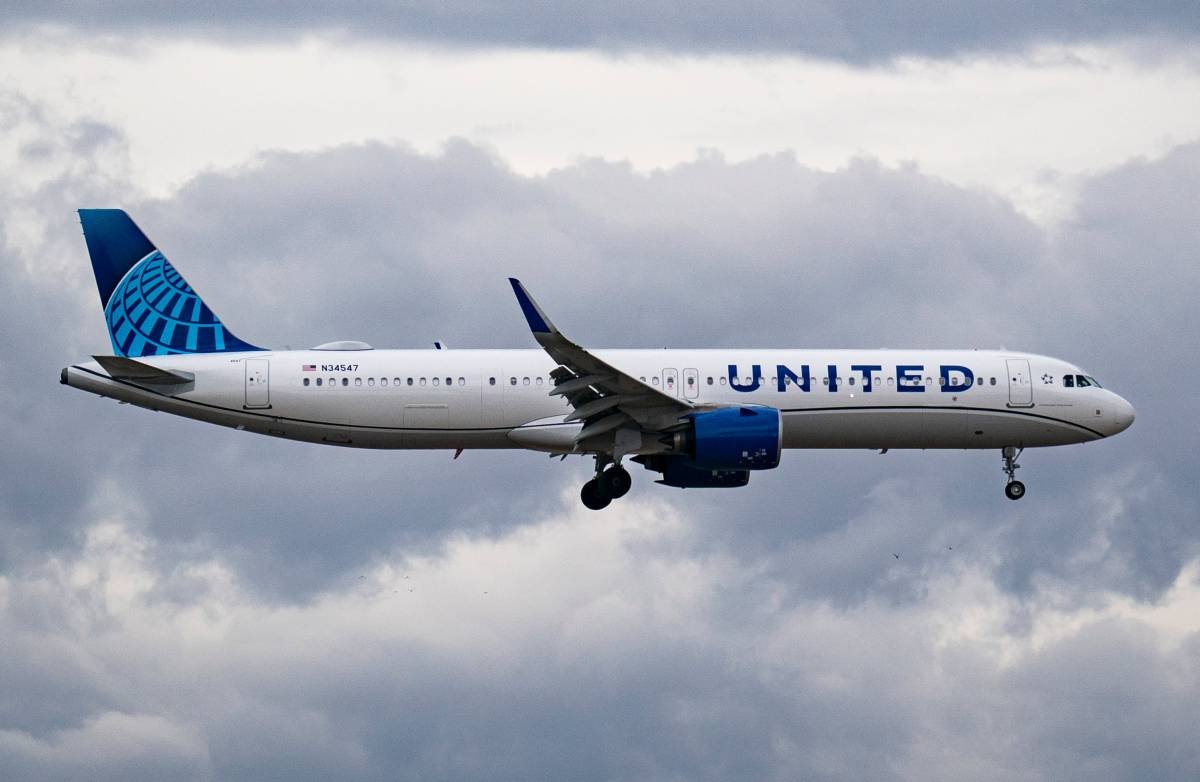
United Airlines has finalized a transformative five-year labor agreement with its flight attendants, marking a significant development in the field of airline labor relations. The agreement promises a substantial 31% increase in base wages for flight attendants, set to be implemented by the upcoming August. This contract represents the first major pay increase for flight attendants in nearly six years, an achievement welcomed with both relief and optimism throughout the aviation industry.
The historic agreement comes at a critical time as airlines continue to navigate post-pandemic recovery challenges while facing intense competition for skilled aviation professionals. Industry analysts view this settlement as a benchmark that could influence labor negotiations across the sector, potentially reshaping compensation standards for airline crews nationwide.
Major Pay and Compensation Enhancements
The core of the United Airlines flight attendant agreement extends far beyond the notable base pay increase, introducing innovative benefits that fundamentally redefine compensation structures within the aviation industry. The most groundbreaking innovation is the introduction of ‘boarding pay for attendants,’ ensuring remuneration for time spent on the aircraft during passenger boarding—a period that was previously uncompensated across the industry.
This shift marks a new era in flight attendant union agreements, aligning industry practices with the evolving expectations of the modern workforce. The boarding pay provision addresses a long-standing grievance among cabin crew members who argued that their responsibilities begin well before aircraft departure, including safety checks, passenger assistance, and cabin preparation.
In addition to these structural pay increases, flight attendants will receive a cumulative back pay pool exceeding $700 million, representing compensation for previous contract delays and pandemic-related adjustments. The immediate effect includes a 7% to 8% boost in overall compensation packages, demonstrating how the industry is fundamentally adapting its approach to labor relations and employee retention strategies.
Addressing Operational Challenges and Work-Life Balance
United Airlines has also introduced ‘sit pay compensation’ to support flight attendants during flights affected by delays exceeding 2.5 hours. This measure adds a crucial layer of financial security and appreciation for crew members facing operational interruptions that have become increasingly common in today’s complex air travel environment.
The agreement also implements significant scheduling limitations on red-eye flights, aimed at improving crew work-life balance and addressing fatigue-related safety concerns. These provisions reflect the broader industry trend of enhancing employee wellbeing while maintaining operational efficiency and safety standards that passengers expect.
Additional quality-of-life improvements include enhanced hotel accommodation standards during layovers, increased meal allowances for extended duty periods, and more flexible scheduling options that accommodate personal commitments and family obligations.
Industry-Wide Implications and Competitive Landscape
Through this comprehensive United Airlines flight attendant agreement, United joins the ranks of other major U.S. carriers, including Southwest, American, and Alaska Airlines, each of which has successfully concluded significant labor negotiations over the past eighteen months. Each agreement underscores different compensation strategies while addressing the unique operational and financial challenges posed by the pandemic’s lasting impact on the airline industry.
The competitive pressure for experienced flight attendants has intensified as air travel demand has rebounded to near pre-pandemic levels. Airlines are recognizing that competitive compensation packages are essential for both retention and recruitment in an increasingly tight labor market.
While Delta Air Lines remains the only major U.S. carrier without a unionized flight attendant workforce, it has responded to market pressures by implementing independent pay raises, including a recent 4% increase. This approach reflects the varied strategies airlines are adopting to ensure workforce satisfaction and operational stability.
Enhanced Travel Experience and Safety Benefits
For travelers, these improved labor conditions are expected to translate directly into more positive in-flight experiences. Industry research consistently demonstrates that well-compensated and satisfied crew members deliver enhanced service quality, maintain higher safety standards, and contribute to overall passenger satisfaction scores.
The new compensation framework particularly encourages efficient, timely boarding procedures, potentially reducing departure delays and smoothing the overall passenger journey from gate to destination.
Future Prospects and Industry Standards
This United Airlines flight attendant agreement represents a significant victory for the carrier’s 28,000 flight attendants, heralding a new chapter in progressive airline labor relations. As the travel industry continues its robust recovery and expansion, the long-term impact of such comprehensive labor agreements will be closely monitored by industry stakeholders, potentially establishing new benchmarks for compensation and working conditions across the global aviation sector.
The agreement’s success may also influence international carriers and could accelerate similar negotiations worldwide, ultimately reshaping the competitive landscape for airline employment and setting new standards for crew compensation in the decades ahead.

