

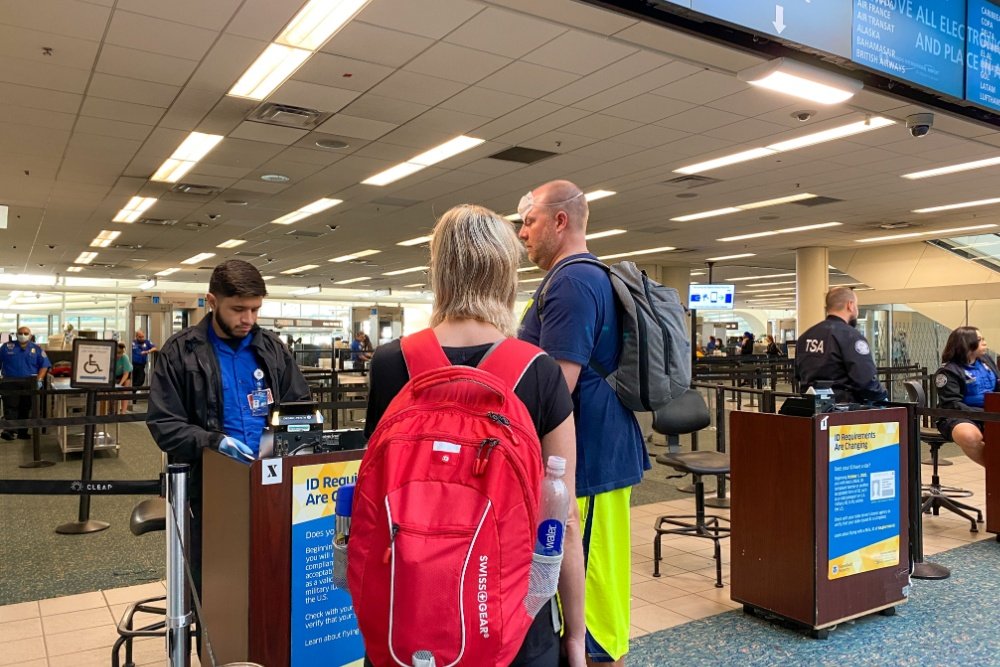
TSA Funding Crisis Threatens Unpaid Work for Officers by May
A looming TSA funding crisis threatens to leave Transportation Security Administration officers working without pay as early as May, potentially creating widespread disruptions across America’s airports during the critical summer travel season. Homeland Security Secretary Markwayne Mullin announced Tuesday that the TSA’s budget allocation is rapidly depleting, with emergency reserves expected to run dry within weeks.
The Department of Homeland Security has been operating on borrowed time, utilizing emergency reserves from last year’s omnibus spending bill to maintain TSA salary payments since late March. This precarious financial situation has raised alarm bells throughout the aviation industry as the busy summer travel period approaches.
Financial Crisis Timeline and Impact
The current TSA funding crisis stems from budget shortfalls exacerbated by previous government shutdown disruptions. During the last partial government shutdown, TSA officers worked without pay for six weeks, creating unprecedented challenges for airport security operations nationwide. Security line delays stretched beyond four hours during peak periods—the longest wait times in TSA’s 22-year history.
The human cost has been significant, with over 500 TSA officers resigning since mid-February alone. This exodus has compounded existing staffing shortages that have plagued airports since the pandemic recovery began. Secretary Mullin emphasized the scale of the challenge, noting that DHS faces a staggering $1.6 billion payroll obligation every two weeks across all its agencies.
According to Office of Management and Budget data released April 19, less than $1.4 billion remains from the original $10 billion emergency fund allocated to prevent operational disruptions. At current spending rates, these funds will be exhausted before the Memorial Day weekend, traditionally marking the start of peak summer travel season.
Congressional Response and Legislative Solutions
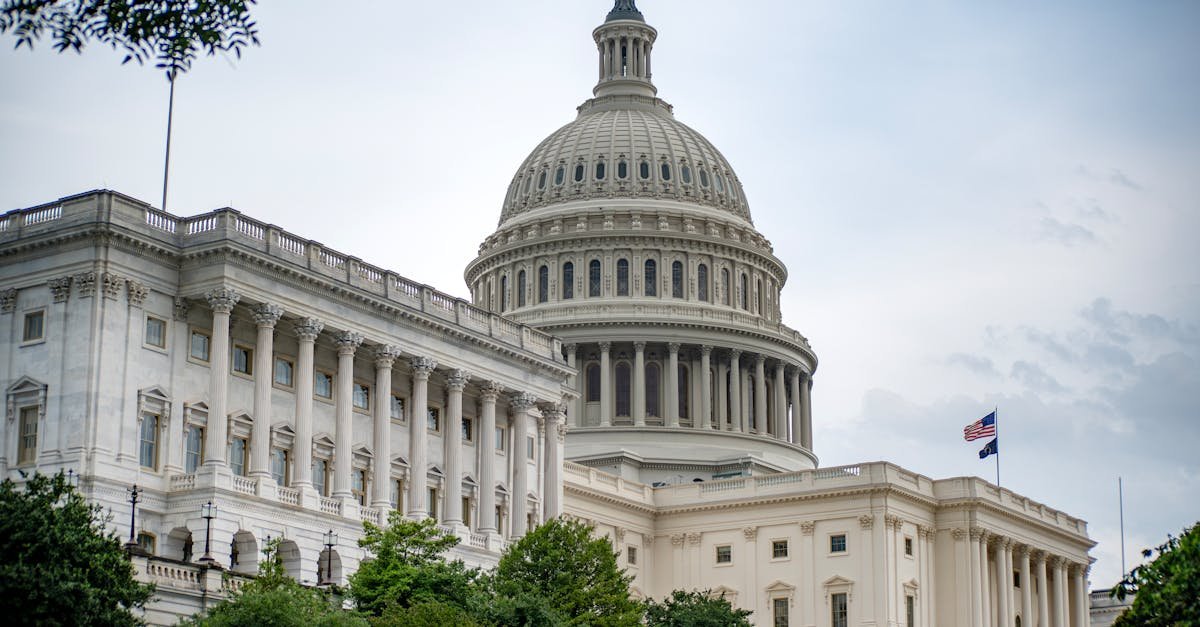
The Senate moved swiftly Thursday to address the TSA funding crisis, approving a Republican-led budget blueprint designed to replenish DHS operational funds. The legislation now advances to the House of Representatives, where approval timing remains uncertain. Senate Republican leadership is utilizing the budget reconciliation process to circumvent traditional 60-vote filibuster requirements, potentially accelerating passage.
If successful, the reconciliation approach would enable Congress to craft detailed funding allocations and establish sustainable budget frameworks for TSA operations. However, the compressed timeline leaves little margin for error, with May’s deadline creating intense pressure for swift legislative action.
Industry stakeholders are closely monitoring congressional developments, recognizing that delays could trigger cascading effects throughout the aviation ecosystem. Airlines for America, the industry’s primary trade association, has urged immediate action to prevent operational disruptions that could affect millions of travelers.
Traveler Impact and Summer Season Concerns
The potential TSA funding crisis poses significant challenges for summer travel plans, with industry experts predicting record passenger volumes in 2026. Airlines have already increased capacity planning in anticipation of robust demand, making operational disruptions particularly problematic for schedule reliability and customer satisfaction.
Beyond immediate inconveniences, prolonged funding uncertainty could undermine airport security effectiveness. Experienced TSA officers represent critical institutional knowledge for threat detection and emergency response protocols. The continuing resignation trend threatens to erode this expertise base precisely when airports need maximum operational capacity.
Travel industry analysts warn that security delays exceeding current levels could create ripple effects throughout airport operations, affecting ground transportation, retail concessions, and airline operations. These disruptions would be particularly acute at major hub airports that serve as critical connection points for domestic and international travel.
Looking Forward: Resolution Prospects
As Congress races against the May deadline, the travel industry and security experts emphasize that sustainable TSA funding solutions require long-term budget stability rather than recurring emergency measures. The current crisis highlights broader challenges in federal agency funding mechanisms that affect critical infrastructure operations.
The resolution of this TSA funding crisis will test congressional cooperation and emergency response capabilities while millions of Americans prepare for summer travel. Success in preventing officer furloughs and maintaining security operations could establish precedents for handling similar budget emergencies affecting transportation infrastructure.
Sources: Department of Homeland Security, Office of Management and Budget, Senate Republican Leadership, Airlines for America

