

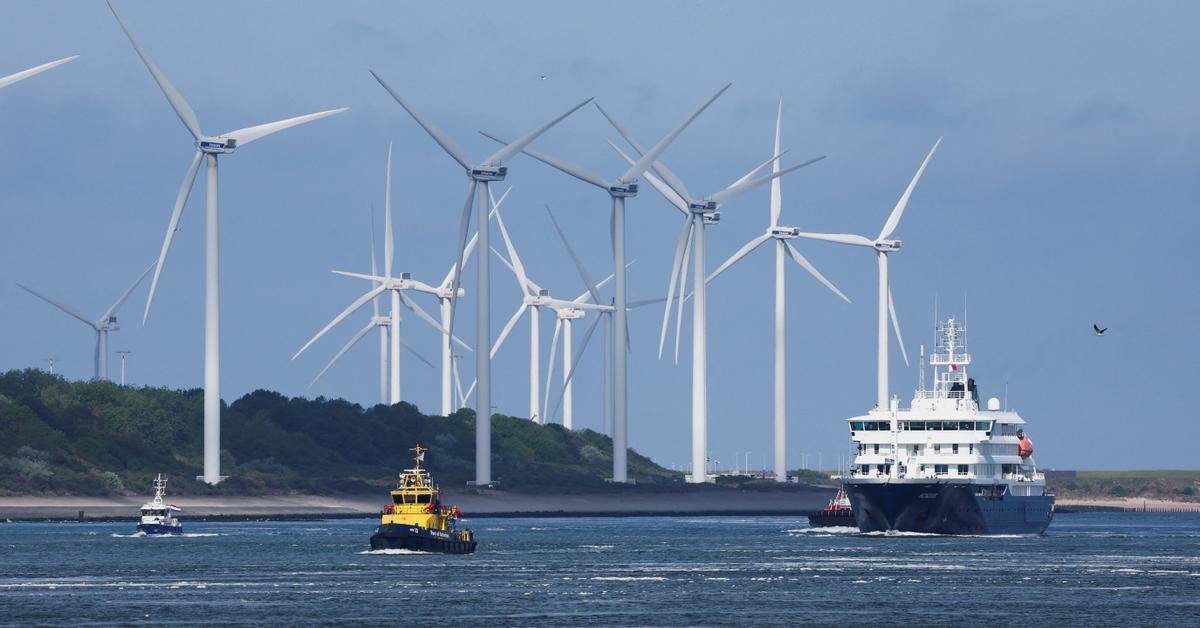
MV Hondius Hantavirus Outbreak in Tenerife Prompts Health Alert for Cruise Passengers
A hantavirus outbreak aboard the expedition cruise ship MV Hondius has prompted health authorities in Tenerife to initiate comprehensive contact tracing procedures for passengers who may have been exposed to the virus. The incident, which occurred during the vessel’s stop in the Canary Islands, has drawn international attention as health officials work to manage what they classify as a low-risk but carefully monitored situation.
Understanding the Andes Strain Hantavirus Risk
The specific pathogen identified in this outbreak is the Andes strain of hantavirus, which differs significantly from common respiratory viruses in its transmission patterns. Unlike highly contagious airborne diseases, this hantavirus strain requires prolonged, direct contact with infected rodents or their droppings to pose a substantial health threat. The virus can also spread through inhalation of aerosolized particles from contaminated rodent urine or feces in enclosed spaces.
Dr. Anna Banerji, an infectious disease specialist from the University of Toronto, emphasizes the controlled nature of this outbreak, stating, “This is nothing like COVID,” highlighting the virus’s requirement for specific exposure conditions rather than casual human-to-human transmission. The distinction is crucial for understanding why health authorities maintain that public risk remains minimal.
International Response and Passenger Management
The MV Hondius carried approximately 150 passengers during the affected voyage, with six Canadian nationals among those potentially exposed. International health cooperation has been essential in managing passenger movements and monitoring protocols. Two Canadian passengers have already returned home from the South Atlantic region, while four others are safely traveling to British Columbia under health authority guidance.
The World Health Organization has classified the public health risk as “low,” but emphasizes the importance of thorough contact tracing and passenger monitoring. Health officials are implementing protocols that include self-monitoring guidelines for exposed individuals and clear communication channels for reporting any symptoms that may develop over the coming weeks.
Cruise Industry Implications and Response
The MV Hondius incident has highlighted important distinctions within the cruise industry regarding health protocols and regulatory oversight. Notably, the vessel operates independently of the Cruise Lines International Association (CLIA) and its established health and safety protocols, which have been refined extensively following the COVID-19 pandemic.
Industry analysts emphasize that expedition cruising, particularly to remote destinations where wildlife contact is more likely, presents unique health considerations compared to traditional cruise itineraries. The smaller passenger capacity and specialized nature of expedition vessels require tailored risk management approaches.
Cruise industry leaders are working to ensure accurate information dissemination to prevent unnecessary alarm among travelers. The sector, still recovering from pandemic-related disruptions, recognizes the critical importance of maintaining consumer confidence through transparent communication and effective health management protocols.
Prevention and Future Safeguards
Expedition cruise operators are reviewing enhanced wildlife encounter protocols and cabin sanitation procedures in response to this incident. Hantavirus prevention focuses on eliminating rodent access to ship areas and implementing comprehensive pest control measures during port stops and provisioning.
The outbreak has prompted discussions about pre-cruise health briefings that specifically address expedition-related risks, including potential wildlife-borne diseases. Enhanced screening procedures for provisions and supplies taken aboard in remote locations are also under consideration.
Traveler Considerations and Outlook
For travelers considering expedition cruises, this incident underscores the importance of understanding destination-specific health risks and maintaining appropriate travel insurance coverage. Health authorities recommend staying informed about regional disease patterns and following all shipboard health guidelines.
As monitoring continues and health protocols are reinforced, the cruise industry remains committed to safe operations while providing unique travel experiences. This isolated health event serves as a reminder of the importance of robust health management systems and international cooperation in addressing travel-related health challenges. The swift response by health authorities and clear risk communication demonstrate the industry’s preparedness to handle such situations effectively while maintaining traveler safety and confidence.

