

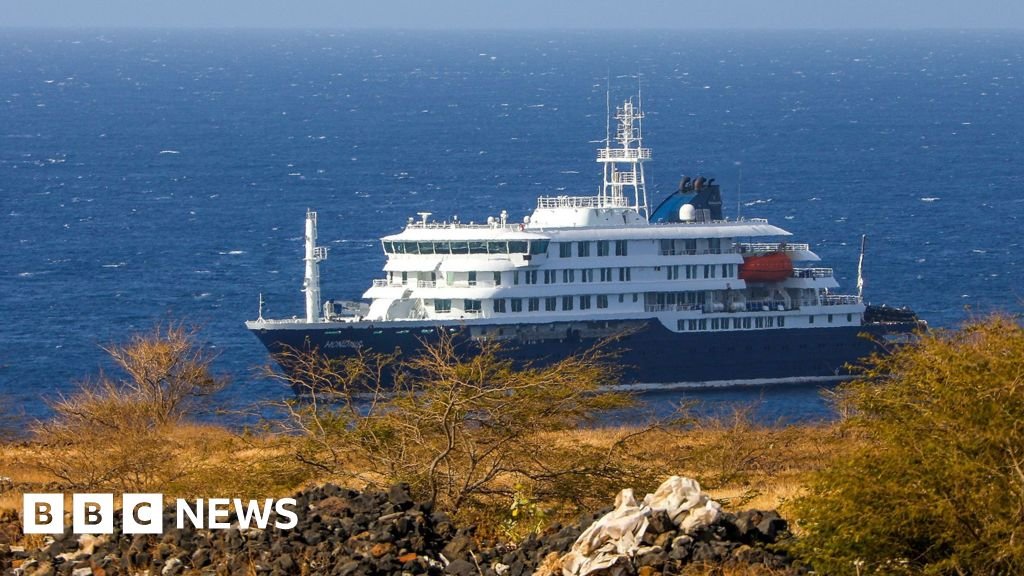
Hantavirus Outbreak Claims Lives on MV Hondius Antarctic Expedition
In a tragic development that has sent shockwaves through the cruise industry, the MV Hondius is battling a suspected hantavirus outbreak that has claimed three passenger lives during what was meant to be a pristine Antarctic expedition. The World Health Organization (WHO) has launched an international response to contain this unprecedented maritime health crisis.
The luxury expedition vessel, operated by Oceanwide Expeditions, departed from Ushuaia, Argentina on April 1st with 196 passengers and crew aboard for a highly anticipated polar cruise through the remote waters of Antarctica and the South Atlantic. The carefully planned itinerary included visits to the Falkland Islands, South Georgia, and other pristine polar destinations before the outbreak transformed the voyage into a medical emergency.
Understanding the Deadly Hantavirus Outbreak
The hantavirus outbreak aboard the MV Hondius represents a rare but devastating health emergency. This dangerous pathogen, typically transmitted through contact with infected rodent droppings, urine, or saliva, has proven fatal for two Dutch nationals and one German passenger. While human-to-human transmission remains uncommon, the confined environment of a cruise ship presents unique challenges for containment.
A British passenger, evacuated to South Africa for urgent medical treatment, tested positive for the virus and remains in critical condition. The rapid progression of symptoms among affected passengers caught medical staff off-guard, highlighting the virus’s dangerous nature in isolated maritime environments.
Oceanwide Expeditions Crisis Response
Oceanwide Expeditions has implemented emergency protocols in coordination with WHO officials and international health agencies. Company representatives confirm that beyond the confirmed cases, two crew members require medical attention, though the majority of passengers remain asymptomatic. The cruise operator has suspended all shore excursions and implemented strict quarantine measures throughout the vessel.
“We are working around the clock with health authorities to ensure passenger and crew safety,” stated an Oceanwide spokesperson. The company has activated its comprehensive emergency response plan, including enhanced medical screening and continuous monitoring of all individuals aboard the vessel.
Emergency Navigation and Medical Intervention
Currently positioned off the coast of Cape Verde, the MV Hondius awaits clearance from local authorities to dock at either Las Palmas or Tenerife, where WHO medical teams and Dutch health professionals stand ready to provide immediate intervention. The ship’s medical facilities, while well-equipped for typical cruise emergencies, face unprecedented challenges managing a potential hantavirus outbreak in isolation.
Logistical considerations include passenger evacuation procedures, medical supply replenishment, and coordination with multiple international health agencies. The remote location of the outbreak has complicated response efforts, with medical helicopters unable to reach the vessel’s current position.
Industry-Wide Implications for Polar Expeditions
This hantavirus outbreak exposes critical vulnerabilities in polar cruise operations, where vessels operate thousands of miles from adequate medical facilities. Industry experts are questioning existing health screening protocols and emergency response capabilities for expeditions to remote destinations like Antarctica and the Arctic.
The incident has prompted immediate reviews of pre-boarding health assessments, onboard sanitation procedures, and emergency medical evacuation capabilities across the expedition cruise sector. Insurance companies are already reassessing coverage policies for polar expeditions, potentially impacting future cruise pricing and availability.
Cruise industry associations are calling for enhanced international protocols governing health emergencies in remote waters, including standardized medical equipment requirements and improved communication systems with global health authorities.
Future of Antarctic Tourism
As investigations continue into the source of the hantavirus outbreak, the incident will likely reshape polar tourism regulations and safety standards. The tragedy underscores the inherent risks of expedition cruising to remote destinations, where natural beauty comes with significant logistical challenges and potential health hazards.
This crisis serves as a sobering reminder that even the most meticulously planned polar expeditions face unpredictable challenges, demanding enhanced preparedness and robust emergency response capabilities from operators and passengers alike. The travel industry must balance adventure tourism’s appeal with passenger safety in increasingly remote destinations.
Sources: World Health Organization, Oceanwide Expeditions, International Maritime Health Organization

