

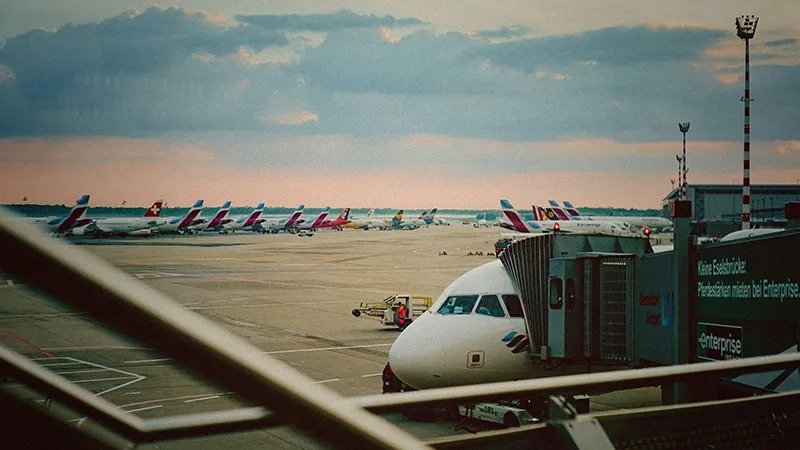
The Unfolding Europe Regional Airport Crisis
Europe’s regional airports are facing an unprecedented existential crisis as soaring jet fuel costs and geopolitical tensions threaten to permanently reshape the continent’s aviation landscape. The Europe regional airport crisis has reached a critical juncture, with airlines across the continent slashing thousands of regional routes and casting doubt over the future viability of smaller airports that serve as vital lifelines for remote communities and secondary cities.
The Airports Council of Europe (ACI) has sounded the alarm, describing the situation as an “existential threat” that demands immediate strategic intervention. Olivier Jankovec, Director General of ACI Europe, highlighted the perfect storm of challenges facing the sector: “The current levels of jet fuel prices and the prospect of a new cost-of-living crisis mean that many regional airports across our continent are likely to face both a supply and demand shock.”
This crisis has already prompted major carriers to take drastic action. Lufthansa, one of Europe’s largest airlines, has canceled over 20,000 flights and suspended operations for its regional subsidiary, CityLine, signaling the severity of the challenges facing the industry.
Fuel Price Surge Triggers Market Instability
The primary catalyst behind this crisis is the dramatic surge in jet fuel costs, which have skyrocketed beyond $200 USD per barrel. This unprecedented price increase stems largely from severe disruptions to Middle Eastern oil imports, a direct consequence of escalating geopolitical conflicts in the region. The ripple effects have created a supply chain crisis that extends far beyond fuel procurement.
European nations are scrambling to compensate for these losses by increasing imports from the United States and other alternative sources. However, market analysts at SG Commodities Research paint a grim picture, forecasting severe fuel shortages as early as June 2024. The critical question remains whether Europe can successfully replace more than 50% of its lost oil imports before the situation deteriorates further.
The fuel crisis has created a domino effect throughout the aviation ecosystem. Regional airports, which typically operate on thinner profit margins compared to major international hubs, are particularly vulnerable to these cost fluctuations. Many are now questioning their long-term sustainability without significant government intervention or industry restructuring.
Airlines Navigate Between Reassurance and Reality
Despite mounting operational pressures, airlines find themselves walking a delicate tightrope between maintaining passenger confidence and managing operational realities. While publicly reassuring travelers that immediate disruptions will be minimal, carriers are simultaneously implementing significant route reductions behind the scenes.
Major European airlines including British Airways, Transavia, and Turkish Airlines have announced substantial cuts to their regional route networks. These reductions disproportionately affect smaller airports and communities that rely on air connectivity for economic development and tourism revenue. The selective nature of these cuts highlights the industry’s focus on protecting profitable major hub operations while sacrificing regional connectivity.
Industry expert Mike Arnot offers a sobering perspective: “The good news is that the marquee destinations of the world aren’t losing airline service, or even many flights. However, this creates a two-tiered recovery system where regional airports are left behind.” This disparity underscores the growing gap between major aviation hubs and regional facilities in terms of recovery resilience and long-term viability.
Broader Economic and Social Implications
The regional airport crisis extends far beyond aviation economics, threatening to isolate entire communities and regions from the broader European economy. Rural areas and smaller cities that depend on air connectivity for business development, tourism, and essential services face the prospect of increased isolation.
Statistical projections suggest that unless Europe can replace at least 60% of its lost fuel imports by August, the crisis could intensify significantly. The economic implications extend to tourism-dependent regions, business travel networks, and cargo operations that support local economies across the continent.
For travelers, the immediate impacts include reduced flight options, increased fares, and limited access to secondary destinations. Travel planning has become increasingly complex as route availability becomes unpredictable and alternative transportation options become more expensive and time-consuming.
Charting a Path Forward
The Europe regional airport crisis demands coordinated action from governments, airlines, and airport operators to prevent permanent damage to the continent’s aviation infrastructure. Industry stakeholders are calling for emergency fuel procurement strategies, targeted subsidies for regional routes, and innovative partnerships to maintain connectivity.
As the situation evolves, travelers are advised to monitor potential itinerary changes closely and consider flexible booking options. The resolution of this crisis will ultimately determine whether Europe maintains its comprehensive air transport network or accepts a more centralized system focused on major hubs, potentially leaving many communities permanently disconnected from the broader aviation network.

