

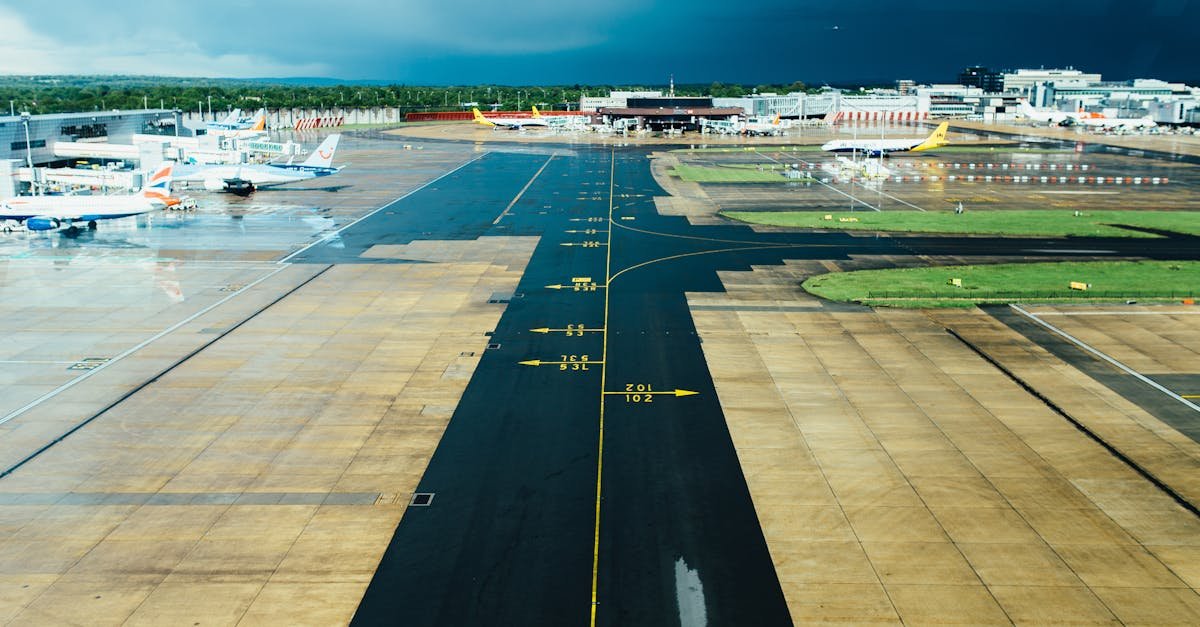
Travel chaos has erupted across the Schengen Area following widespread EU EES border delays that have transformed European airports into scenes of confusion and frustration. Since the full implementation of the European Union’s Entry/Exit System (EES) on April 10, 2026, what was intended to modernize border controls has instead created unprecedented bottlenecks, causing hundreds of travelers to miss flights and experience severe disruptions at major hubs including Milan, Munich, and Pisa.
EES Implementation Creates Unexpected Challenges
The Entry/Exit System was designed to revolutionize border security by replacing traditional passport stamping with sophisticated biometric passport checks. This ambitious technological upgrade promised enhanced security and improved efficiency across 29 Schengen Area nations. However, the reality has proven far more complex than anticipated. Since its initial rollout in October 2025, airports have struggled to manage the transition, with staff shortages and technical glitches compounding the problems. The situation reached a crisis point when EasyJet passengers on a Milan to Manchester flight faced such extensive delays that the airline publicly condemned the circumstances as “completely unacceptable.”
Passenger Nightmare Scenarios Unfold
European airport terminals have become pressure cookers of frustration as travelers navigate the new system. One passenger described the chaotic scenes: “Many people didn’t know where one queue started or where the other began to get through to the actual border control officer desks.” The confusion extends beyond simple navigation issues. At Pisa Airport, the situation became critically understaffed with only two personnel managing all UK-bound flights, creating hours-long waits in cramped conditions. The physical toll has been severe, with reports of passengers fainting and becoming ill due to excessive heat and overcrowding in terminal areas. Brexit complications have intensified these problems, as UK travelers now face additional scrutiny that wasn’t required when Britain was part of the European Union.
Industry Impact and Economic Consequences
The EU EES border delays have created ripple effects throughout the travel industry. Airlines are facing mounting compensation claims as over one hundred flights have been missed due to border control bottlenecks. Airport operators are scrambling to redesign terminal flows and increase staffing levels, while hotels and tourism operators report cancellations and shortened stays as travelers lose confidence in European travel reliability. The timing couldn’t be worse, with the peak summer travel season approaching and tourism businesses still recovering from previous disruptions.
European Commission Emergency Response
Recognizing the severity of the crisis, the European Commission has authorized member states to temporarily suspend certain EES procedures for up to 90 days beyond the April 10 deadline, with potential extensions of an additional 60 days. This emergency measure acknowledges that the current system is unsustainable as Europe approaches its busiest travel period. Commission officials are working directly with airport authorities to identify specific pain points and develop targeted solutions, including increased funding for additional border control officers and upgraded technical infrastructure.
Technology Integration Struggles
The core challenge lies in integrating cutting-edge biometric technology with existing airport infrastructure and procedures. While the long-term vision of seamless biometric verification remains promising, the transition period has exposed significant gaps in planning and execution. Many airports lack sufficient biometric scanning equipment, while staff training has proven inadequate for the system’s complexity. The hybrid approach of mixing traditional and digital processes has created confusion rather than efficiency, particularly affecting travelers unfamiliar with the new requirements.
Future Outlook for European Travel
Despite current challenges, aviation experts remain optimistic about the EU EES border delays being resolved through systematic improvements. The European Commission is fast-tracking additional funding for airport infrastructure upgrades, while airlines are adjusting schedules to accommodate longer processing times. Technology providers are working around the clock to optimize software and expand equipment capacity at critical bottleneck locations.
For travelers planning European trips in the coming months, industry experts recommend arriving at airports at least three hours before international departures and monitoring airline communications for real-time updates. While the current situation is frustrating, the eventual benefits of enhanced security and streamlined processing are expected to transform European travel positively once implementation issues are resolved.
Sources: European Commission, EasyJet Airlines, Pisa Airport Authority, Milan Malpensa Airport

