

Cuba Hotel Crisis Accelerates as International Chains Exit Market
The vibrant streets of Havana and the serene beaches of Varadero paint a picturesque travel destination, yet a devastating Cuba hotel crisis is casting a large shadow over these idyllic scenes. Spanish hospitality giant Melia has announced its decision to shutter operations at 15 out of its 34 hotels across Cuba, marking one of the most significant hospitality sector retreats in the Caribbean nation’s modern tourism history. This dramatic move highlights the compounded effects of U.S. sanctions and a restrictive oil embargo, severely straining foreign investments and aggravating widespread energy shortages that have paralyzed the island’s infrastructure.
International Hotel Chains Retreat from Cuban Market
Melia’s withdrawal represents just the tip of the iceberg in Cuba’s escalating hospitality crisis. Major international operators including Blue Diamond Resorts, Archipelago International, and Iberostar Cuba are all scaling down operations due to stringent U.S. sanctions specifically targeting GAESA—a powerful Cuban conglomerate controlled by the military that dominates the island’s tourism sector. The U.S. government has implemented executive orders that freeze assets and restrict financial transactions linked to GAESA, citing national security concerns and human rights violations.
The sanctions have created a ripple effect throughout Cuba’s tourism infrastructure, forcing international hotel management companies to reassess their risk exposure. Many operators are finding it increasingly difficult to maintain profitable operations while navigating complex compliance requirements and limited access to international banking systems.
Research associate Lee Schlenker from the Quincy Institute’s Global South program has highlighted significant ramifications for the Cuban workforce, indicating, “With the dwindling of international tourism, fuel shortages, combined with the general downturn post-COVID, companies are reassessing their operations in Cuba, significantly impacting not just GAESA, but also the broader population dependent on tourism revenue.”
Tourism Statistics Reveal Devastating Decline
The numbers tell a stark story of Cuba’s tourism collapse. From a peak of 4.3 million visitors in 2019, tourist arrivals have plummeted catastrophically. The first quarter of this year recorded only 298,000 international visitors—a precipitous 48% decline from the previous year, representing one of the steepest drops in Caribbean tourism history. This dramatic reduction in visitor numbers has left hotels operating at unsustainably low occupancy rates, forcing closures across popular destinations.
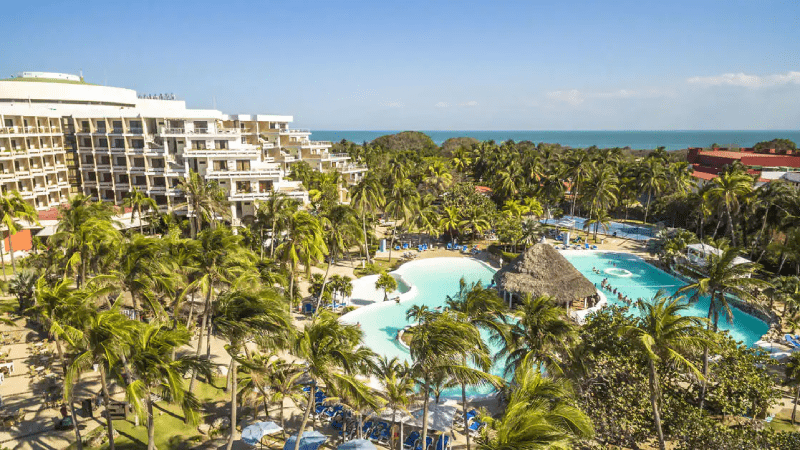
The reduced activity at former Melia properties in premier destinations like Varadero, Cayo Santa María, and Jardines del Rey exemplifies the widespread closures caused by rising energy crises and falling demand. These locations, once considered jewels of Cuban tourism, now stand as symbols of the industry’s precipitous decline.
Energy Crisis Compounds Hospitality Challenges
Cuba’s ongoing energy crisis has created additional operational challenges for the hospitality sector. Frequent power outages lasting hours or even days have made it virtually impossible for hotels to maintain basic services expected by international travelers. Air conditioning, hot water, elevators, and internet connectivity—all essential amenities for modern tourism—have become unreliable luxuries rather than standard offerings.
Cuban authorities attribute these energy disruptions to the U.S. embargo, which restricts the island’s access to fuel imports and energy infrastructure investments. The crisis has intensified since 2021, with rolling blackouts affecting not only hotels but also hospitals, schools, and residential areas across the island.
Human Impact on Local Communities
For locals like Erich López, who depends on tourists for his livelihood, these hotel closures spell economic disaster. “It’s going to affect us, our families, and everyone involved in tourism. Our pay and income depend on this,” he expressed with deep concern. The sentiment resonates throughout Havana, where parking attendant Carlos Luis Carbonel near the Melia Cohiba hotel lamented, “This is terrible for everyone: tour guides, parking attendants, hotel workers—the entire ecosystem that supports tourism is crumbling.”
The closures affect thousands of direct hotel employees and countless more workers in supporting industries including transportation, food service, entertainment, and retail. Many families who have depended on tourism-related income for decades now face uncertain futures as the Cuba hotel crisis deepens.
As Cuba attempts to stabilize its economy amid these challenging conditions, the government continues to highlight what it considers the detrimental impacts of U.S. policy while exploring alternative pathways for economic recovery. The potential revitalization of Cuba’s tourism sector remains highly anticipated but hinges on significant strategic adjustments, improved international relations, and resolution of the ongoing energy crisis that continues to undermine the Cuba hotel crisis recovery efforts.

