

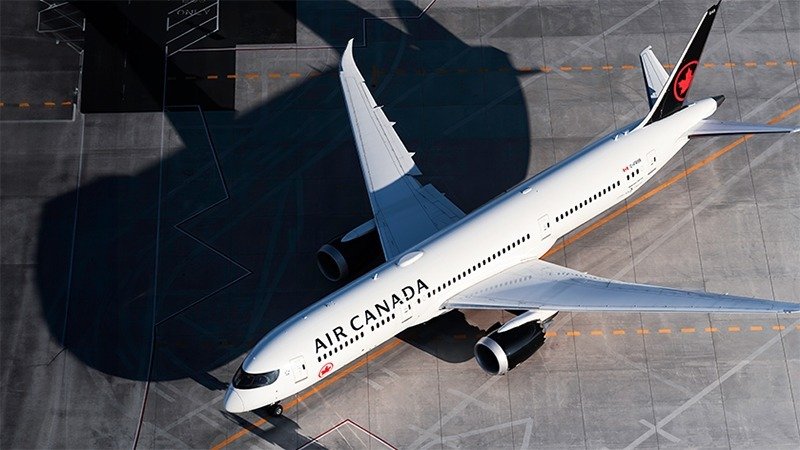
Air Canada Rouge Fleet Expansion Triggers Union Grievances Amid Aircraft Limit Breach
Air Canada’s latest operational shift, the Air Canada Rouge fleet expansion, has ignited significant tensions with the Canadian Union of Public Employees (CUPE), which represents the airline’s cabin crew. On May 25, Air Canada announced plans to transition 52 mainline aircraft to its leisure-focused subsidiary, Air Canada Rouge, deliberately surpassing the existing contractual limit of 50 aircraft as specified in the collective agreement. This move represents a strategic pivot that could fundamentally alter the airline’s operational landscape while creating substantial labor relations challenges.
Union Grievances Challenge Rouge Fleet Expansion
The formal grievances filed by CUPE emphasize that Air Canada exceeded the Rouge aircraft limit without obtaining the necessary union consent required under their collective bargaining agreement. This action is viewed as a serious contractual breach that could destabilize mainline operations and undermine worker protections. The agreement specifically stipulates that Rouge fleet expansion should not replace profitable mainline routes unless explicitly agreed upon by the union through proper negotiation channels.
According to Wesley Lesosky, president of CUPE’s Air Canada component, preserving the integrity of the mainline scope and ensuring that Rouge’s growth does not occur at the expense of mainline members are crucial organizational goals. The union is pressing for full remediation, immediate halt of unauthorized expansions, and complete access to internal documentation that Air Canada has used to justify its recent strategic decisions. CUPE representatives argue that transparency in decision-making processes is essential for maintaining trust between management and workers.
Strategic Implications of Operational Dynamics
Air Canada Rouge, originally launched in 2013, was designed to capture the competitive leisure travel segment by offering enhanced flexibility and more competitive pricing structures in the budget market. The subsidiary has historically operated with lower operational costs through different crew scheduling, aircraft configurations, and service standards compared to Air Canada’s mainline operations. However, the strategic allocation between mainline and Rouge operations remains delicate, as any substantial shift of aircraft towards Rouge could compromise mainline service quality and route profitability if implemented without proper oversight and planning.
Industry analysts suggest that this Air Canada Rouge fleet expansion reflects broader market pressures as airlines seek to compete more effectively in the post-pandemic leisure travel recovery. The demand for affordable vacation travel has surged, making Rouge’s value proposition increasingly attractive to cost-conscious travelers. However, this market opportunity must be balanced against contractual obligations and workforce stability.
Broader Labor Relations and Industry Impact
The conflict has attracted attention from Canada’s Minister of Jobs and Families, Patty Hajdu, highlighting the national significance of this labor dispute. The union points to systemic issues in aviation labor disputes, emphasizing ongoing challenges with workforce compensation and working conditions within the broader airline sector. Lesosky argues that the current system fails to adequately reflect the professional contributions of flight attendants and risks legitimizing practices that could undermine industry-wide labor standards.
This dispute occurs within a broader context of aviation industry labor tensions, where airlines worldwide are grappling with workforce shortages, changing travel patterns, and evolving operational models. The outcome of Air Canada’s negotiations with CUPE could establish important precedents for how airlines manage subsidiary expansions while maintaining positive labor relations.
Potential Consequences for Airline Operations
With the Rouge fleet potentially exceeding its contractually permissible cap, this expansion might necessitate a significant reallocation of resources from mainline to leisure operations, potentially impacting Air Canada’s competitive position in profitable business and international markets. Unresolved grievances could require substantial adjustments in Air Canada’s employee relations strategy, potentially affecting flight scheduling, staffing levels, and overall operational efficiency.
For travelers, the implications could include changes to route availability, service levels, and pricing structures as the airline navigates these operational adjustments. Maintaining positive cabin crew relations remains essential for upholding service quality and employee morale as Air Canada works through these complex challenges.
The ongoing discussions surrounding the Air Canada Rouge fleet expansion promise to be pivotal in shaping the airline’s future operational strategies and labor policies. As negotiations continue, both industry observers and frequent travelers will closely monitor developments for potential changes to flight operations, route networks, and service standards. The resolution of this dispute will likely influence how Canadian airlines approach subsidiary operations and workforce management in an increasingly competitive aviation market.

