

Air Canada JFK Flights: Commitment to NYC Amid Temporary Reductions
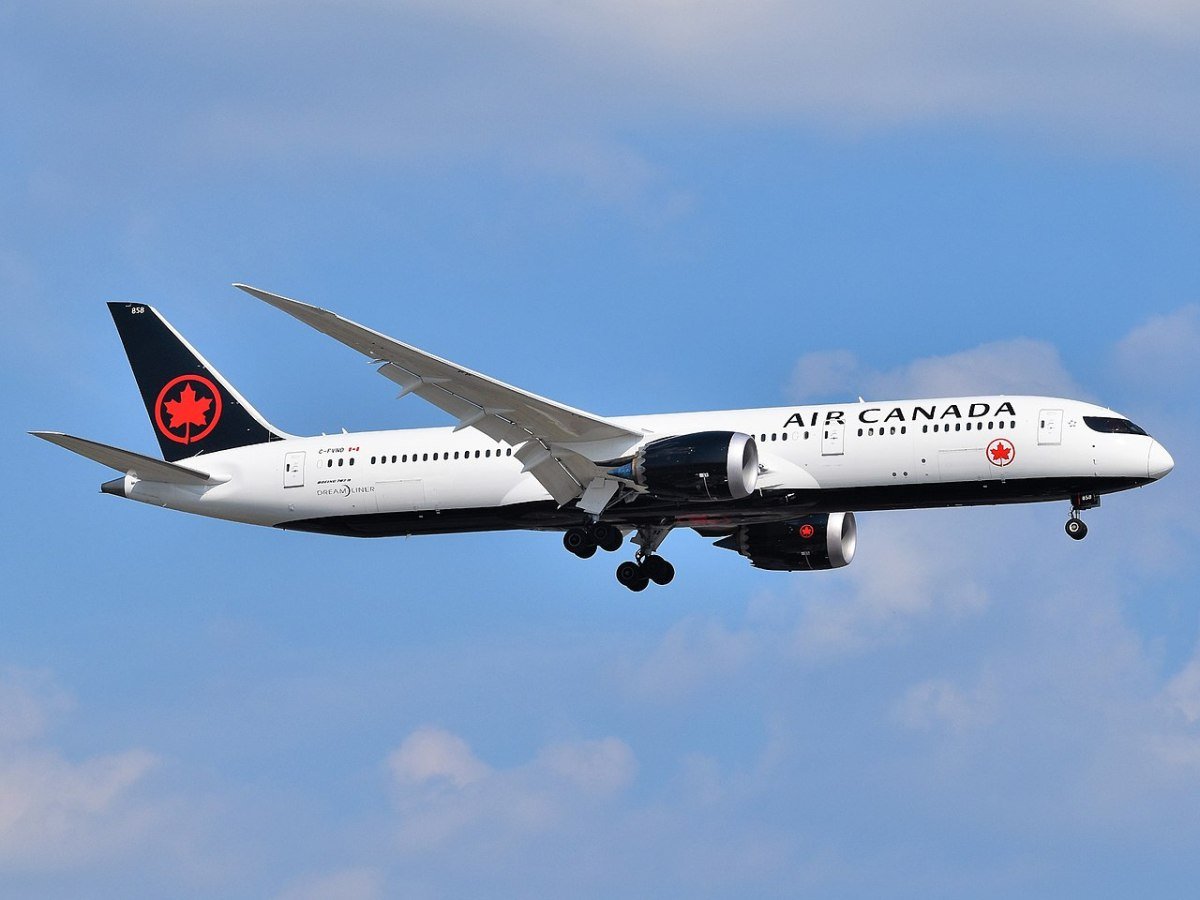
In a significant development for transatlantic travel news, Air Canada has reaffirmed its dedication to the New York City market by ensuring continued service despite temporary disruptions in its JFK flight schedule. This commitment represents a vital reassurance to the city’s tourism officials and frequent travelers who rely on these crucial air links between Canada and America’s most visited city.
Air Canada’s Strategic Response to Market Challenges
During a recent gathering in Toronto, Julie Coker, President and CEO of New York City Tourism & Conventions, disclosed that Air Canada’s temporary cancellations of flights to JFK International Airport represent a measured response to current economic challenges. These include heightened fuel costs, ongoing infrastructure projects at JFK Airport, and broader market pressures affecting the aviation industry post-pandemic.

The airline plans to pause four specific flights to JFK from June through October, coinciding with the airport’s major terminal renovation projects. Despite these adjustments, Air Canada will maintain a robust operation of 34 daily flights to various New York City airports, including LaGuardia and Newark, reinforcing its strong presence in the tri-state market.
“These JFK flight cancellations, starting in June and concluding in October, are seen by Air Canada as a brief hiatus,” Coker emphasized during the industry briefing. “They continue to operate 34 flights to New York City daily and remain significantly invested in our market.” Such assurances highlight Air Canada’s strategic focus on sustaining international connectivity amid economic uncertainties while adapting to infrastructure challenges.
Impact on Business and Leisure Travelers
The temporary reduction in JFK flights affects primarily business travelers and premium leisure passengers who prefer the airline’s direct routes from major Canadian cities including Toronto, Montreal, and Vancouver. Travel advisors are already working to redirect affected passengers to alternative departure times or nearby airports, ensuring minimal disruption to travel plans.
Industry analysts suggest that Air Canada’s decision reflects broader challenges facing international carriers, including pilot shortages, maintenance backlogs, and fluctuating demand patterns. The airline’s commitment to maintaining overall capacity to New York demonstrates confidence in the long-term viability of the Canada-US travel corridor.
The NYC Tourism Recovery Landscape
Adding a hopeful note to the NYC tourism rebound, Coker revealed forthcoming forecasts predicting a 5.5% growth in Canadian visits to New York City by 2026. This upswing follows a significant 19% decrease in Canadian tourism in 2025, affected by previous diplomatic tensions and economic headwinds. Nearly one million Canadians visited NYC in 2024, pushing numbers close to pre-pandemic levels.
“Improvement in currency values and the stabilization of tariffs contribute to this positive outlook,” Coker stated. While business travel and conventions are expected to recover robustly, leisure travel, especially among students and young professionals, has not yet reached its previous peaks. Travel advisors are encouraged to draw on resources from NYC Tourism & Conventions to rekindle interest and motivate trips to the dynamic city.
The recovery trajectory suggests that temporary flight reductions may actually create pent-up demand, potentially benefiting Air Canada when full service resumes in November 2026.
Upcoming Attractions and Events Driving Demand
New York City promises an enriched visitor experience with newly renovated attractions like the Empire State Building’s modernized observation decks and the reimagined Frick Collection galleries. These infrastructure improvements align with the city’s broader tourism enhancement strategy.

Furthermore, the anticipated FIFA World Cup 2026, accompanied by a fan village at Rockefeller Center, is expected to draw global attention and substantially boost NYC’s international appeal. This mega-event represents a significant opportunity for Air Canada to capitalize on increased travel demand once full JFK flight service resumes.
Looking Ahead: Strategic Positioning
Air Canada’s adjustments in its JFK flight schedule should be viewed as a strategic move in response to temporary market conditions, rather than a reduction in their long-term commitment to the New York market. The airline’s perseverance in maintaining connections with New York City emphasizes its pivotal role within the region’s tourism ecosystem.
As market dynamics evolve and travel trends develop, travelers can expect a prosperous cross-border tourism scene driven by sturdy airline partnerships and renewed infrastructural advancements. The temporary JFK flight reductions position Air Canada for stronger performance when service fully resumes, supported by improved airport facilities and recovering demand patterns.

