


Italy Jet Fuel Crisis: A Growing Concern for the Aviation Sector
Italy’s aviation landscape faces an unprecedented challenge as a severe jet fuel crisis threatens to disrupt European air travel networks and impact millions of summer travelers. Transport Minister Matteo Salvini has issued a stark warning that Italy’s jet fuel reserves may only last until the end of May, creating a ripple effect across the continent’s aviation industry. This crisis stems from global tensions and significant disruptions in oil shipping routes, particularly through the strategically critical Strait of Hormuz, which handles approximately 20% of the world’s petroleum liquids transit.
Salvini has urgently called upon the European Union to reconsider its stringent fiscal constraints, arguing for increased financial flexibility to address such critical infrastructure crises. “The jet fuel reserves available in Italy are sufficient to ensure operations at least until the end of May,” Salvini stated during a press conference. He emphasized the crucial importance of maintaining vigilant monitoring of the fuel supply chain, especially as Europe enters its peak summer travel season when passenger volumes typically increase by 40-50%.
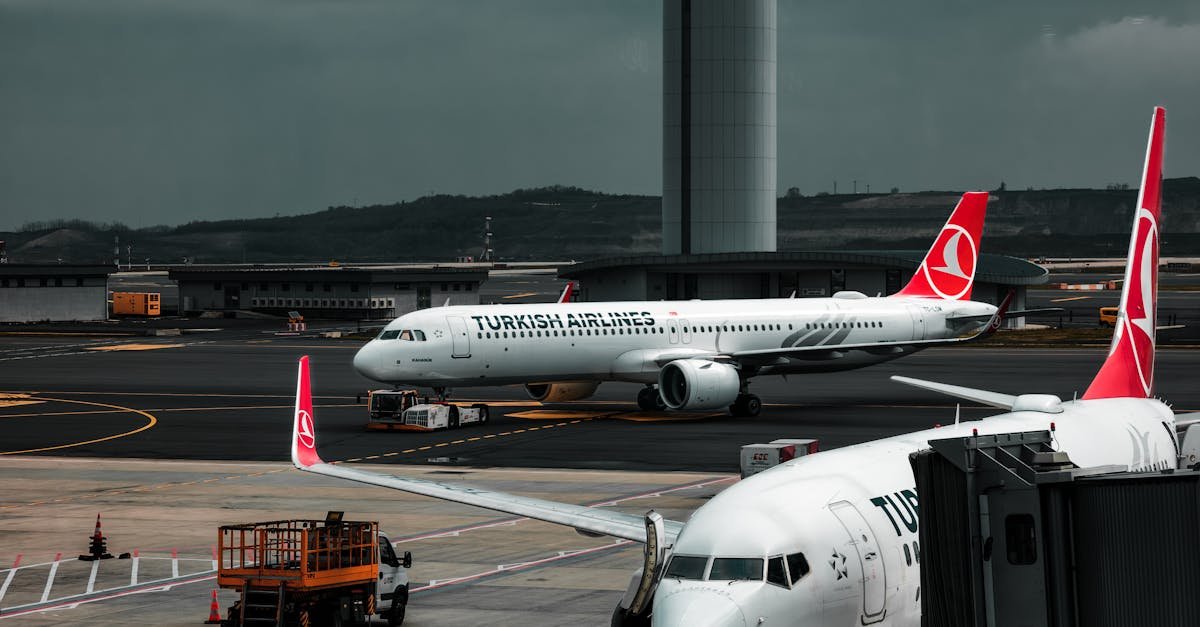
Widespread Impact on European Airlines
The Italy jet fuel crisis has sent shockwaves throughout the global airline industry, forcing carriers to implement emergency measures to maintain operations. Airlines are rapidly introducing fuel surcharges ranging from €15-50 per ticket, adjusting airfares upward by an average of 12-18%, and in some cases, drastically reducing flight capacity. Industry analysts warn of potential jet fuel shortages that could lead to airline insolvencies, particularly among smaller regional carriers with limited financial reserves. CNBC reports emerging bidding wars for available fuel supplies, reflecting the industry’s growing desperation to secure adequate resources.
European airlines are particularly vulnerable to this crisis, with anticipated airline capacity reductions potentially reaching 15-25% during the critical summer months. The Lufthansa Group has already taken proactive measures by cutting approximately 20,000 short-haul services from their summer schedules, affecting routes to and from major Italian destinations including Rome, Milan, and Venice. These strategic reductions are part of comprehensive cost-management approaches to address soaring European airline fuel costs and maintain operational viability in key markets.
Italy’s Strategic Importance in Global Travel
Italy’s position as a premier global travel destination makes this fuel crisis particularly concerning for the broader tourism industry. The country welcomes over 65 million international visitors annually, contributing approximately €44 billion to the national economy. Italy serves not only as a top leisure destination but also as a crucial hub for commercial aviation and cultural exchanges between Europe, Africa, and the Middle East. Major airports in Rome, Milan, and Venice handle over 180 million passengers annually, making any disruption to fuel supplies a matter of international significance.
Significant Implications for Summer Travelers
The Italy jet fuel crisis places energy security at the forefront of aviation policy discussions across Europe. Travelers planning summer vacations should prepare for substantially higher ticket costs, with some routes seeing price increases of 20-30%. Flight options may become severely limited, particularly for popular Italian destinations, as airlines prioritize longer-haul, higher-margin routes over short-haul European connections. Travel industry experts recommend booking flights early and considering alternative transportation options, including high-speed rail networks that connect major European cities to Italian destinations.
Long-term Solutions for European Aviation
Looking ahead, Italy and its European partners must urgently consider comprehensive long-term strategies to address aviation fuel security. These measures include diversifying supply channels beyond traditional Middle Eastern sources, accelerating investments in sustainable aviation fuel (SAF) production facilities, and developing strategic fuel reserves at major European airports. Industry experts suggest that diplomatic negotiations with alternative suppliers in Africa and the Americas could provide crucial backup options.
The crisis has also accelerated discussions about renewable energy solutions for aviation, including hydrogen-powered aircraft and electric planes for shorter routes. While these technologies remain years from commercial viability, the current fuel shortage underscores the urgent need for energy diversification in the aviation sector.
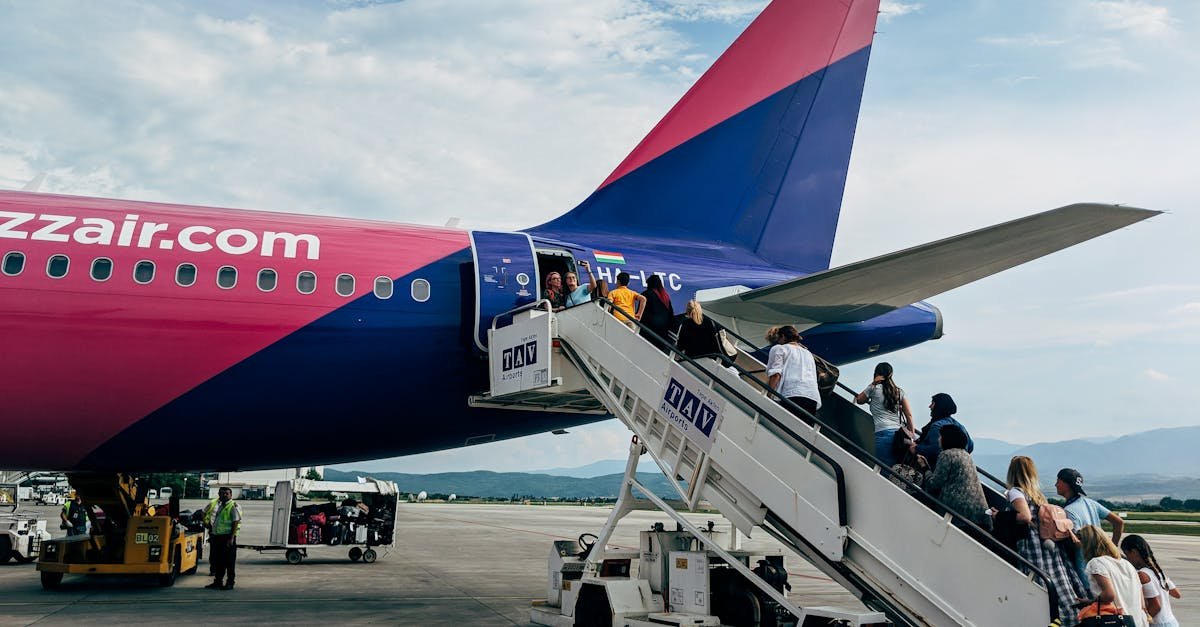
The Italy jet fuel crisis has sparked essential dialogue about future-proofing Europe’s aviation energy infrastructure, with stakeholders working to develop resilient systems that can withstand geopolitical disruptions while maintaining the continent’s vital connectivity to global markets.

