

Oil Price Relief Provides Breathing Room for Aviation Sector
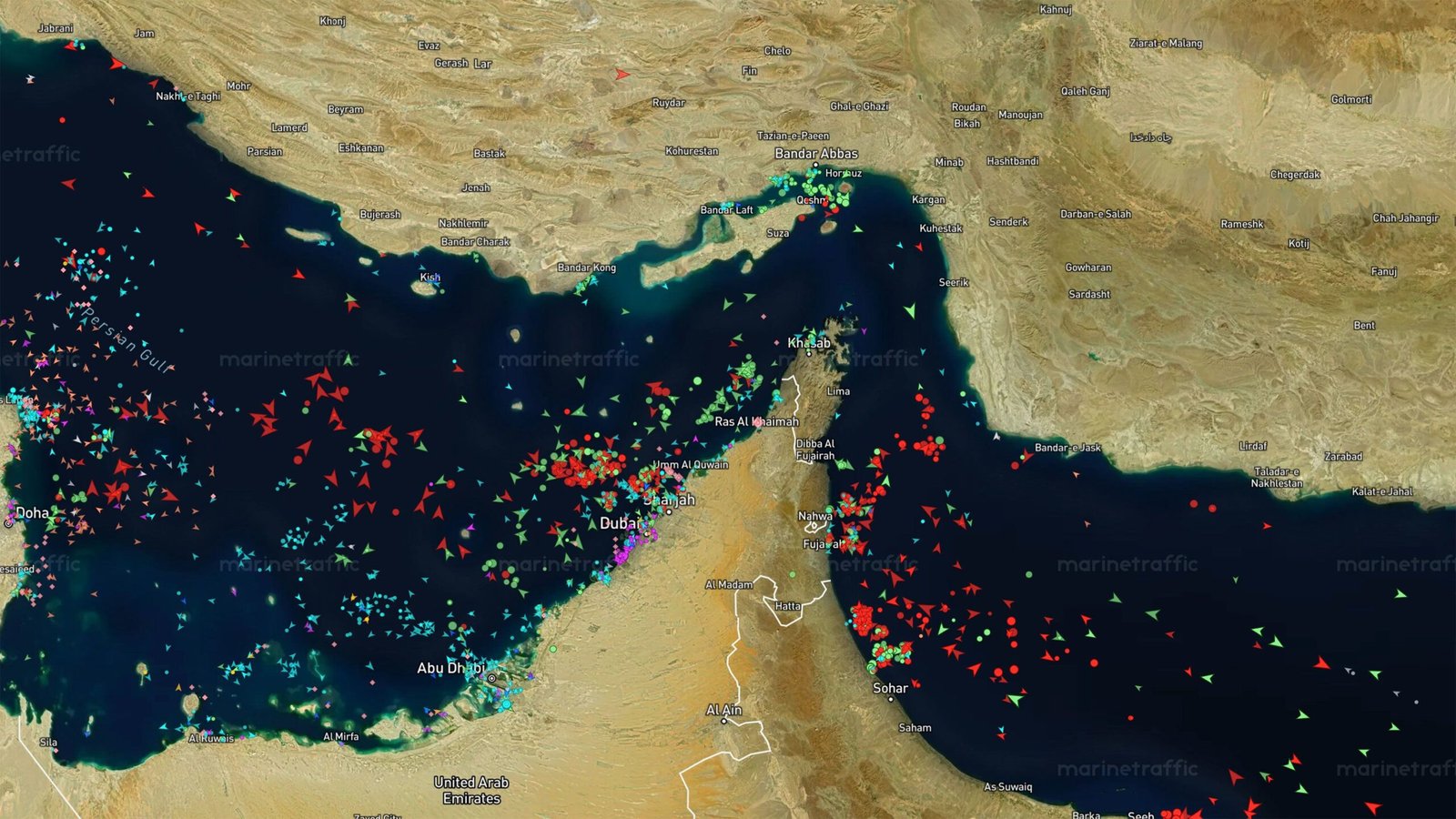
The recent reopening of the Strait of Hormuz has delivered a crucial lifeline to the beleaguered airline industry, triggering a substantial 13% drop in oil prices and alleviating immediate concerns about fuel availability. This strategic maritime passage, which handles approximately 40% of Europe’s jet fuel imports, had been a source of mounting anxiety for aviation executives as the continent’s fuel reserves dwindled to critically low levels.
Fatih Birol, Executive Director of the International Energy Agency (IEA), had previously warned that Europe possessed “maybe six weeks” of jet fuel reserves remaining without stabilized oil flows. The strait’s reopening couldn’t have come at a more opportune moment, as Europe prepares for its peak spring and summer travel seasons when demand typically surges.
Aviation Industry Faces Unprecedented Fuel Crisis
The oil price relief comes as the airline industry grapples with what aviation analyst John Gradek has characterized as potentially “the worst crisis we’ve had in aviation, ever.” Jet fuel, which accounts for roughly 30% of airline operating expenses according to the International Air Transport Association (IATA), has seen prices soar due to ongoing geopolitical tensions and supply chain disruptions.
Recent IEA statistics reveal a concerning landscape across European markets, with several countries maintaining fewer than 20 days of fuel reserves. This shortage has forced airlines to implement emergency measures, including preemptive flight cancellations and route adjustments to preserve fuel supplies for essential services.
The crisis has particularly impacted European carriers, who rely heavily on Middle Eastern crude oil imports for refining into jet fuel. Airlines have been scrambling to secure alternative supply sources while managing unprecedented operational challenges that threaten to disrupt millions of travelers’ plans.
Lufthansa Implements Strategic Cost-Cutting Measures
Germany’s flagship carrier Lufthansa has emerged as a bellwether for industry-wide responses to the fuel crisis. The airline announced comprehensive strategic plans to reduce flights in response to “significantly increased kerosene prices” that have squeezed profit margins across the aviation sector.
Lufthansa’s multifaceted approach includes removing six intercontinental aircraft from service following the summer schedule, directly reducing long-haul capacity to achieve unhedged fuel savings. The carrier has also initiated discussions with labor unions about temporary cost-cutting measures while exploring operational efficiencies that could help weather the current crisis.
Industry observers view Lufthansa’s proactive stance as a model for other European carriers facing similar pressures. The airline’s leadership has emphasized that these measures, while painful in the short term, are essential for maintaining long-term operational stability and competitive positioning.
International Diplomatic Response and Maritime Security
The geopolitical implications of the Strait of Hormuz situation have prompted coordinated international responses from major European powers. French President Emmanuel Macron and UK Prime Minister Keir Starmer have jointly pledged to spearhead an international campaign focused on maritime safety and stability in the region.
Both leaders emphasized the critical importance of maintaining secure passage through this vital shipping lane, which serves as a crucial artery for global energy supplies. Their diplomatic initiatives aim to establish long-term frameworks for preventing future disruptions that could again threaten aviation fuel supplies.
Traveler Impact and Industry Recovery Outlook
For travelers, the oil price relief offers hope for avoiding additional jet fuel surcharges and widespread flight cancellations that had loomed as distinct possibilities. However, airlines remain cautious about the sustainability of current improvements, with many implementing flexible booking policies to accommodate potential future disruptions.
KLM’s recent decision to cancel numerous flights preventively illustrates the industry’s continued vigilance regarding fuel supply stability. Airlines are maintaining enhanced monitoring systems to track geopolitical developments and fuel price fluctuations that could impact operations.
The restoration of crude oil shipments from the Middle East provides temporary respite, but industry stakeholders acknowledge that sustained recovery requires comprehensive solutions addressing both immediate supply concerns and long-term energy security. Airlines continue developing contingency plans while cautiously optimizing schedules for the crucial summer travel season ahead.

