

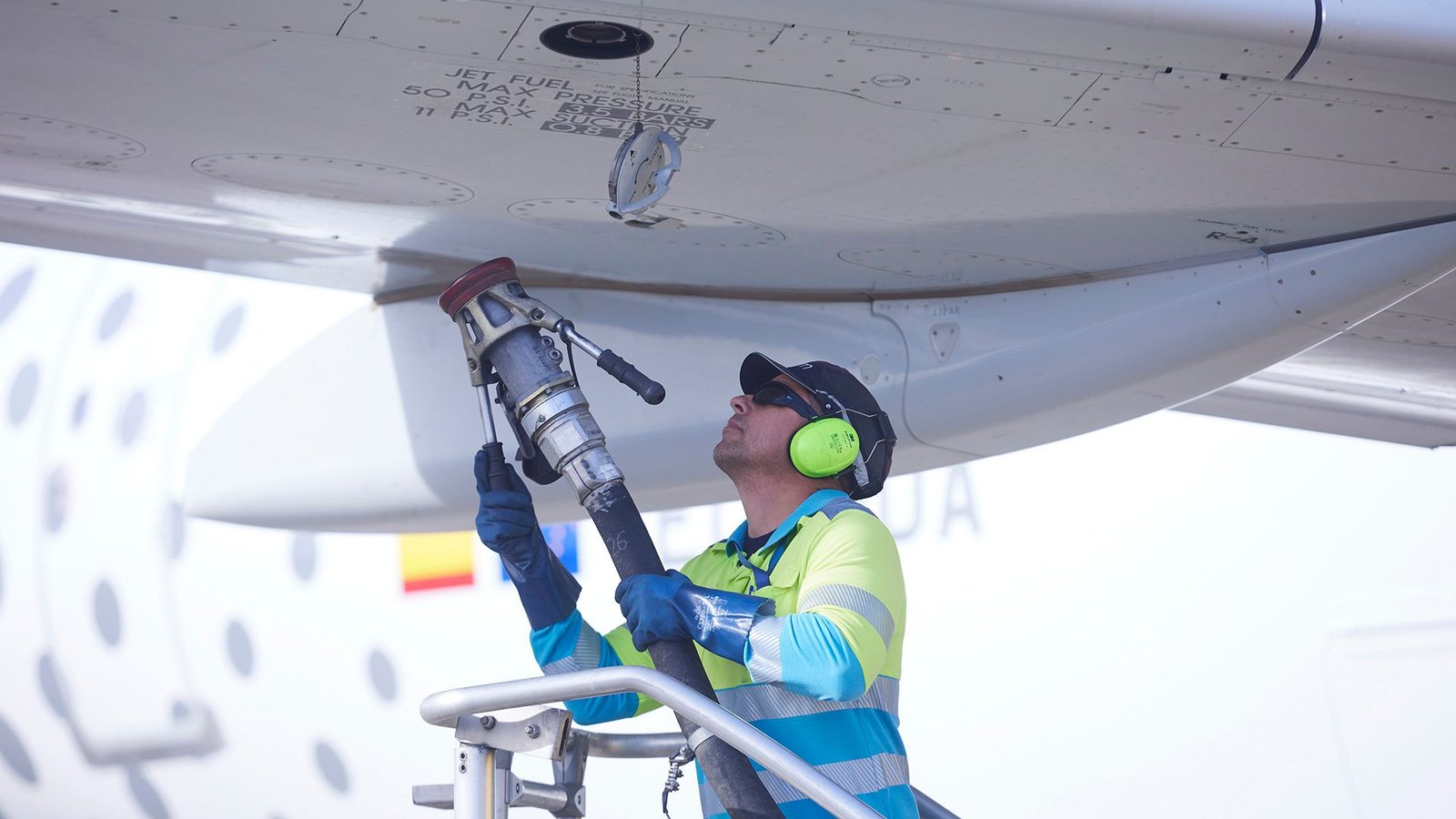
Europe is on the brink of an aviation crisis, grappling with a jet fuel shortage that threatens extensive operational disruptions across the continent. According to the International Energy Agency (IEA) Executive Director, Fatih Birol, reserves have dwindled to a crucial six weeks’ supply. This shortage springs primarily from ongoing tensions involving the Strait of Hormuz, a critical chokepoint that handles approximately 20% of global oil distribution.
Understanding the Scale of the Jet Fuel Shortage Crisis
Birol describes the situation as “the largest energy crisis we have ever faced,” with the blockade through the Strait of Hormuz significantly impairing oil and gas flow to European refineries. The narrow waterway, measuring just 21 miles wide at its narrowest point, has become a strategic weapon in regional geopolitical tensions, directly affecting millions of travelers worldwide.
The airline industry impact is becoming starkly clear across European hubs. “In Europe, we could soon face cancellations from city A to city B due to fuel scarcity,” Birol cautioned, underscoring the fragility of the global energy landscape. Major European carriers including Lufthansa, Air France-KLM, and British Airways are already implementing contingency plans to manage the Iranian blockade’s effects on their operations.
Immediate Impact on European Aviation Operations
European airlines are facing unprecedented challenges as the jet fuel shortage intensifies. Frankfurt, Paris Charles de Gaulle, and London Heathrow airports—three of Europe’s busiest aviation hubs—have begun coordinating with fuel suppliers to prioritize critical routes. Industry sources report that some carriers are already reducing flight frequencies on less profitable routes to conserve fuel for high-demand services.
The situation has prompted airlines to explore fuel hedging strategies and emergency procurement from alternative suppliers in the Americas and Asia-Pacific regions. However, these solutions come at significantly higher costs, with jet fuel prices increasing by 40% in European markets over the past month alone.
Global Economic Ramifications and Regional Disparities
While wealthier European nations may find temporary solutions to manage the jet fuel shortage, Birol indicated that developing regions in Asia, Africa, and Latin America would face severe economic consequences, experiencing higher costs and supply shortages. This disparity threatens to create a two-tier global aviation system where only premium routes remain viable.
The situation is exacerbated by over 110 oil tankers and 15 LNG carriers currently stalled in the Persian Gulf, representing billions of dollars in stranded energy resources. Maritime insurance rates have skyrocketed, making it financially unfeasible for many vessels to attempt passage through the contested waters, further diminishing hopes for quick relief.
Traveler Impact and Industry Response
European travelers are beginning to experience the early effects of this crisis through increased ticket prices and reduced route availability. Airlines face difficult decisions—either passing escalating fuel costs directly to passengers or absorbing the financial impact themselves. The sector, still recuperating from pandemic-related disruptions, now confronts renewed threats of widespread flight cancellations.
Travel agencies across Europe report a 25% increase in booking inquiries for alternative transportation methods, including high-speed rail services and ferry connections. This shift represents a fundamental change in European travel patterns, potentially accelerating the adoption of sustainable transport alternatives.
Strategic Solutions and Future Outlook
As Europe navigates these precarious conditions, stakeholders are urgently innovating. The European Union has activated emergency protocols to coordinate fuel distribution among member states, while airlines are exploring partnerships with sustainable aviation fuel producers to reduce dependence on traditional supply chains affected by the jet fuel shortage.
Looking ahead, industry analysts predict that resolving the Strait of Hormuz crisis could take several months, even with diplomatic interventions. The damage to over 80 critical infrastructure points in the region suggests that recovery will be gradual, requiring European aviation to adapt to a new reality of constrained fuel supplies and higher operational costs.
In conclusion, the European jet fuel shortage poses a defining challenge to both the travel and energy sectors within an increasingly complex geopolitical landscape. How these industries innovate, adapt, and collaborate in the coming weeks will determine not only their survival but also the future accessibility of air travel for millions of Europeans.

