

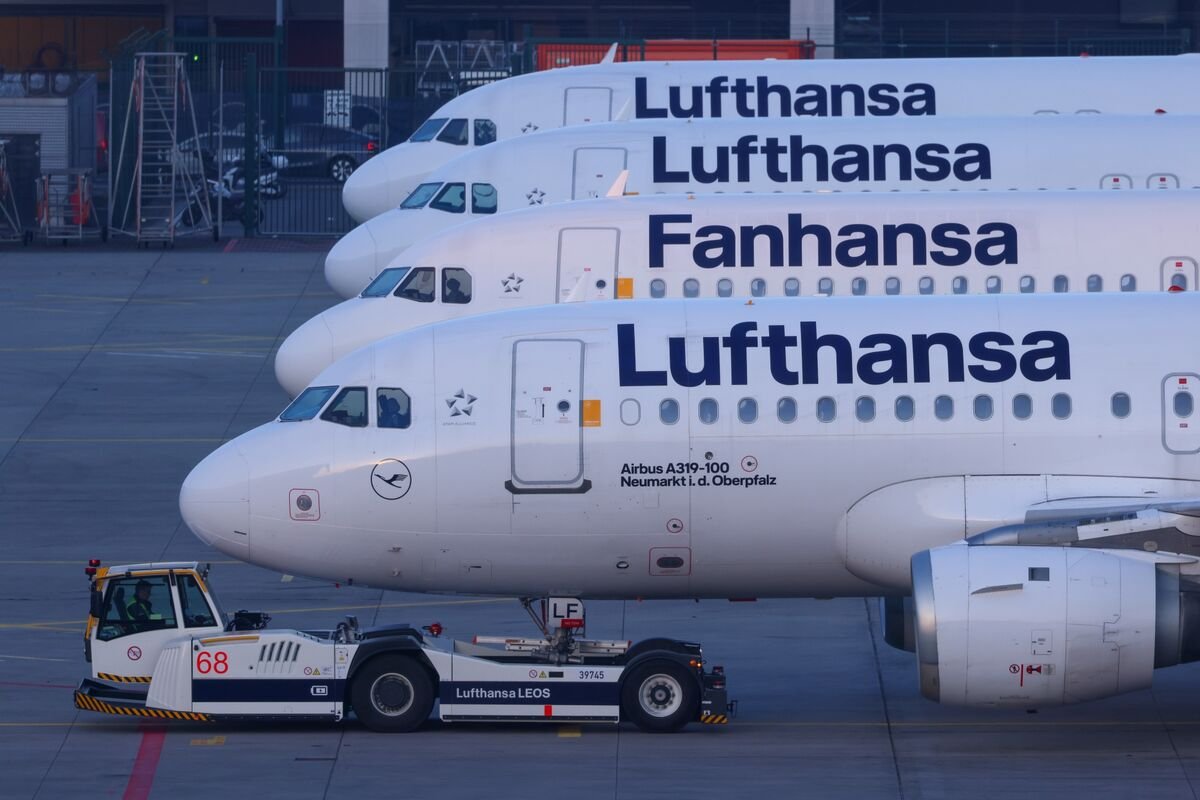
Lufthansa Pilot Strike Threatens Operations During Major Flight Expansion Push
In a major shake-up for European air travel, Lufthansa, the continent’s aviation giant, is bracing for a 48-hour pilot strike led by the Vereinigung Cockpit union. Beginning Thursday, this Lufthansa pilot strike will challenge the airline to manage both an operational halt and internal negotiations over pensions and working conditions. Passengers are likely to experience considerable disruption across major German airports like Munich and Frankfurt due to this ongoing labor dispute, with thousands of flights potentially canceled.
Pilots Take a Stand Amid Unresolved Pension Disputes
The Vereinigung Cockpit union has cited unsatisfactory pension proposals from Lufthansa as the primary reason for the pilot strike action. “This move was necessary after Lufthansa failed to provide a sufficient proposal regarding changes to our pension system,” stated a union representative. The dispute centers around proposed cuts to pilot retirement benefits, which the union argues would significantly impact long-term financial security for cockpit crews.
The timing of the strike is particularly challenging for Lufthansa, coming during peak travel season when passenger volumes are at their highest. Industry analysts estimate that the 48-hour work stoppage could affect up to 200,000 passengers and cost the airline approximately €20 million in lost revenue and compensation claims. Despite the looming strike, flights to select Middle Eastern destinations, including Riyadh, will proceed without interruption, acknowledging regional sensitivities and existing contractual obligations.
Strategic Flight Expansion Despite Labor Disruptions
In parallel with the pilot strike preparations, Lufthansa is aggressively expanding its flight offerings, demonstrating strategic flexibility in responding to increased travel demands post-pandemic. The expansion comes as the airline seeks to capitalize on the recovery in international travel, particularly in the lucrative long-haul market segments.
Munich will soon offer four additional weekly flights to Singapore, targeting business travelers and tourists seeking connections to Southeast Asia. Frankfurt, Lufthansa’s primary hub, is enhancing its connectivity with new services to Cape Town and additional frequencies to Riyadh. These routes represent significant investments in aircraft deployment and crew resources, highlighting the airline’s confidence in sustained travel demand recovery.
Meanwhile, Austrian Airlines, a Lufthansa Group subsidiary, is launching new flights between Vienna and Bangkok, addressing growing traveler interest in Thai destinations. The Vienna-Bangkok route will operate three times weekly using Airbus A330 aircraft, providing increased capacity for leisure and business travelers in the Central European market.
Balancing Growth Ambitions with Workforce Relations
These new routes position Lufthansa to swiftly meet market demands, with additional flights readily bookable through usual sales channels and travel partners. A Lufthansa Group spokesperson remarked, “We remain vigilant in monitoring market developments and are prepared to adjust our schedules further as needed.” This indicates the airline’s commitment to agile operations and strategic growth even amidst ongoing labor negotiations.
The contrast between expansion plans and labor unrest reflects broader challenges facing European carriers. While passenger demand has rebounded strongly from pandemic lows, airlines are simultaneously dealing with increased operational costs, staffing shortages, and workforce demands for improved compensation after years of industry turbulence.
Industry Implications and Passenger Impact
Lufthansa faces a dual challenge: negotiating better terms with its pilots while capitalizing on global travel demand. The pilot strike and route expansion spotlight broader trends within a rebounding aviation industry, where labor relations have become increasingly strained as carriers pursue aggressive growth strategies.
For passengers, the immediate impact includes potential flight cancellations, rebooking challenges, and compensation claims under EU passenger rights regulations. Travelers are advised to check flight status regularly and consider alternative routing options through other European hubs such as Amsterdam, Paris, or Zurich.
Observers and competitors will keenly watch Lufthansa’s management of these pressures and opportunities, potentially setting an industry precedent for balancing workforce relations with comprehensive growth strategies. Successfully navigating this complex landscape may offer a template for other airlines seeking to harmonize internal equity with broader expansion initiatives as the aviation sector continues its recovery from unprecedented challenges.

