


Aruba is revitalizing its efforts in the Canadian travel market, seeking to re-establish its position as a top contender in sustainable tourism. Historically the second-largest source of visitors to the island after the U.S., Canada accounts for about 5% of Aruba’s annual visitor numbers, which total around two million.
According to Ronella Croes, CEO of the Aruba Tourism Authority, the renewed focus on Canada comes as part of a broader strategy to diversify Aruba’s visitor demographics. “Canada is crucial for us as we aim to introduce new visitors who can become lifelong ambassadors for Aruba,” Croes noted.
This year, Aruba has seen a surge in Canadian visitors, with a 10% increase in arrivals thus far. Driving this growth are several factors, including robust WestJet and Air Canada flight services. Additionally, a shift in travel trends has seen more Canadians opting for Caribbean vacations instead of U.S. destinations.
Canadians are also noted for their extended stays in Aruba, averaging 8.7 nights, compared to other visitor profiles. Over 40% of Canadian tourists return to the island, and a growing number are investing in property or utilizing timeshare options, indicative of a deeper connection to the destination.

A Diverse Tourism Landscape
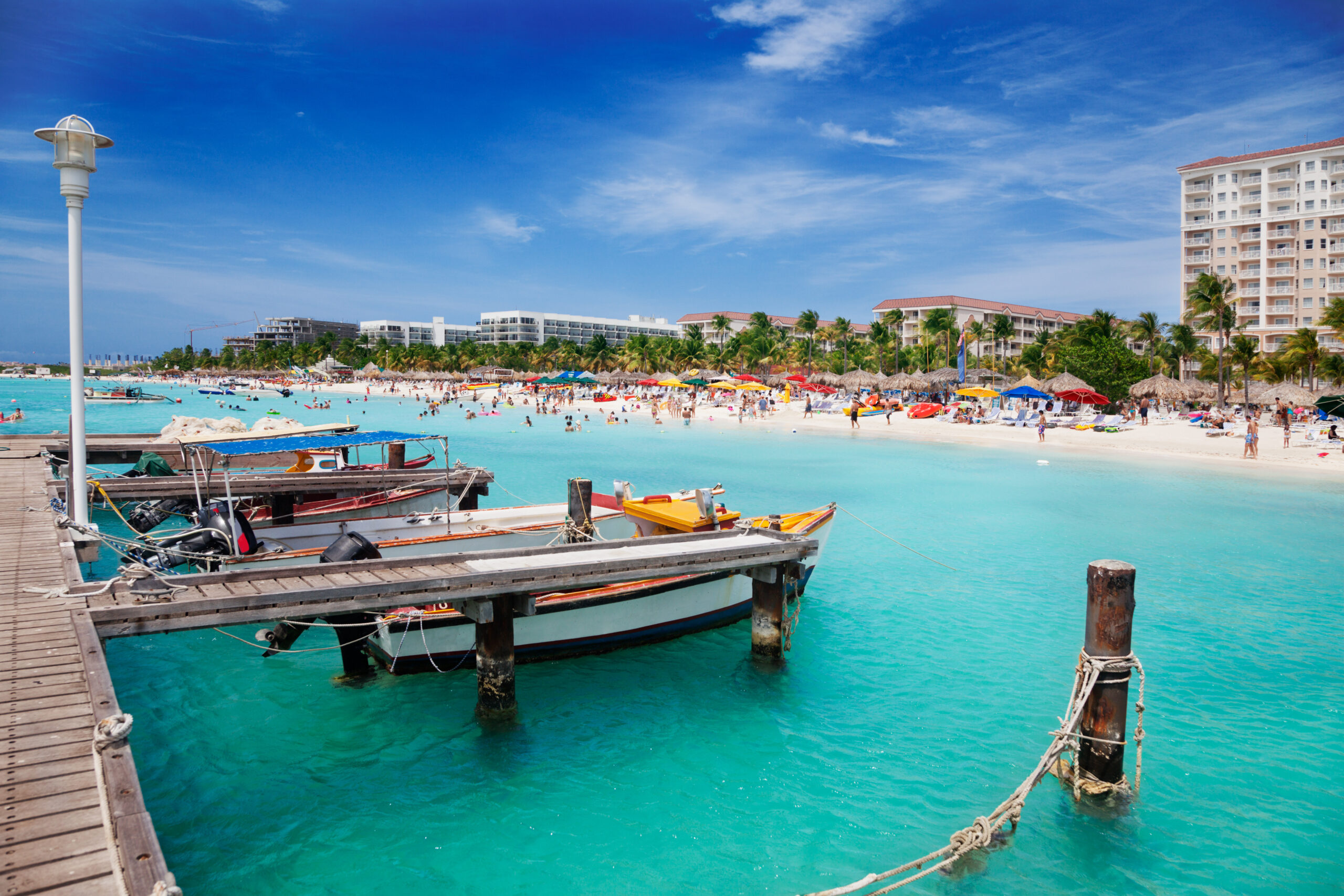
While Aruba is relatively small, measuring about 19.6 miles long and six miles wide, the variety in tourism experiences continues to grow. Iconic resort areas like Palm Beach and Eagle Beach are home to a range of accommodations, and the latter regularly garners international accolades as a premier beach destination.
Recent hotel openings, including the St. Regis and JOIA Aruba by Iberostar, have expanded options for travelers. An exciting new addition is the all-inclusive Secrets Baby Beach Aruba, located in San Nicolas.
San Nicolas is evolving into a cultural hub, featuring street murals and an annual arts festival, while Aruba’s capital, Oranjestad, retains its Dutch heritage alongside increasing culinary offerings. The island boasts over 250 restaurants, highlighting a diverse culinary scene that appeals, especially to Canadian travelers.
Responsible Tourism Takes Centre Stage
The emphasis on responsible tourism is more relevant than ever, with the tourism sector accounting for over 70% of Aruba’s GDP. Various environmental initiatives underscore the island’s commitment to sustainability. For example, since 2017, Aruba has implemented a ban on single-use plastics and restricted sunscreens containing harmful chemicals that damage coral reefs.
As Croes affirmed, there is a pressing need to promote awareness among visitors about their impact. “We aim to equip tourists with guidelines through our ‘Aruba Promise,’ which encourages them to respect our island and embrace sustainable practices,” she stated.
There’s a significant awareness among Canadian travelers regarding responsible tourism, with 96% considering it crucial. However, only 16% feel adequately informed about how to contribute positively to the destinations they visit.
The Ecosystem Behind the Strategy
Aruba’s commitment to sustainable tourism is systemic across the industry. Airlines, hotels, and tour operators are engaged in various training and certification programs focused on green practices. Major hotels often hold certifications such as LEED or Green Globe.
The local airport also holds sustainability accreditation and incorporates solar energy into its operations. Additionally, initiatives like the Aruba Certification Program provide essential training for hospitality staff, enhancing sustainability efforts.
While Aruba is open to cruise tourism, the sector is carefully managed to maintain an intimate atmosphere. The island prioritizes attracting smaller luxury cruise lines and does not plan to expand its cruise port.
For more information on visiting Aruba, explore the official site at www.aruba.com. For insights on the Aruba Promise, click here.

