

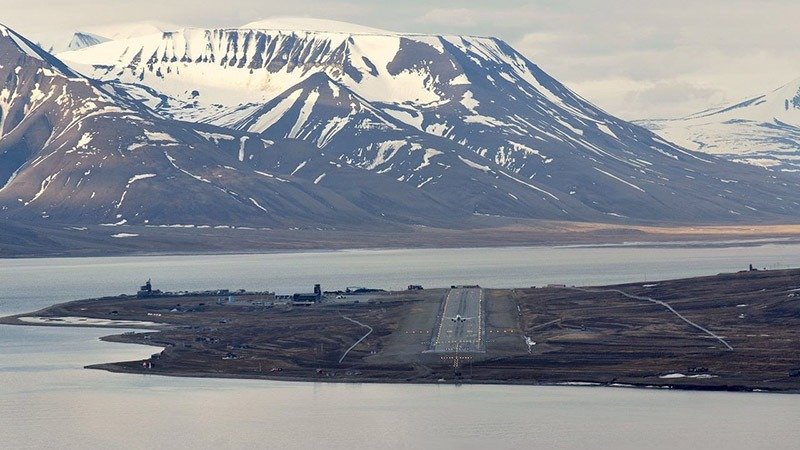
Arctic tourism is experiencing significant growth, drawing travelers eager to explore the pristine landscapes of the North. However, as this sector flourishes, it faces considerable challenges, particularly at Svalbard Airport in Norway, the world’s northernmost airport.
The Impact of Climate Change on Svalbard Airport
Ragnhild Kommisrud, the airport manager, highlights a pressing issue: the melt of permafrost caused by climate change. “This is a challenge that we only expect to get worse with time,” she states, underscoring the ongoing threat to infrastructure in this fragile Arctic environment.
The Consequences of Permafrost Melt
Permafrost, the permanently frozen layer of soil found under the surface in polar regions, is vital for maintaining the structural integrity of facilities like Svalbard Airport. As global temperatures rise, this layer begins to thaw, leading to unstable ground conditions. Cracks and shifts in the runway can pose significant operational risks, making it increasingly difficult for air travel to function safely.
The consequences extend far beyond the airport. With Arctic tourism booming, increased flights and visitor numbers can place additional pressure on the surrounding communities and their infrastructure. Destinations like Svalbard rely heavily on this airport, which serves as a gateway to their unique experiences—from scenic landscapes to rare wildlife.
Future-Proofing Svalbard Airport
To tackle these challenges, airport authorities are exploring various adaptive strategies. Enhancements may include reinforcing infrastructure against thawing soil and investing in innovative engineering solutions to stabilize the ground. Ongoing monitoring of the permafrost levels and the impacts of climate change will be crucial in informing these measures.
The Broader Context of Arctic Tourism
Arctic tourism is not just about adventure; it encompasses economic opportunities and ecological awareness. As visitors flock to this remote paradise, the balance between sustainability and growth becomes increasingly critical. Initiatives that promote eco-friendly travel and educate tourists about the fragile ecosystems can help mitigate negative impacts.
Conclusion
The future of Svalbard Airport, and indeed the entire Arctic region, hinges on our collective ability to adapt to the realities of climate change. With the demand for Arctic tourism likely to persist, stakeholders must prioritize solutions to maintain the operational viability of key infrastructures, ensuring that this stunning destination remains accessible for generations to come.
For a deeper dive into the challenges facing Arctic tourism and Svalbard Airport, click here to read the full story.

