

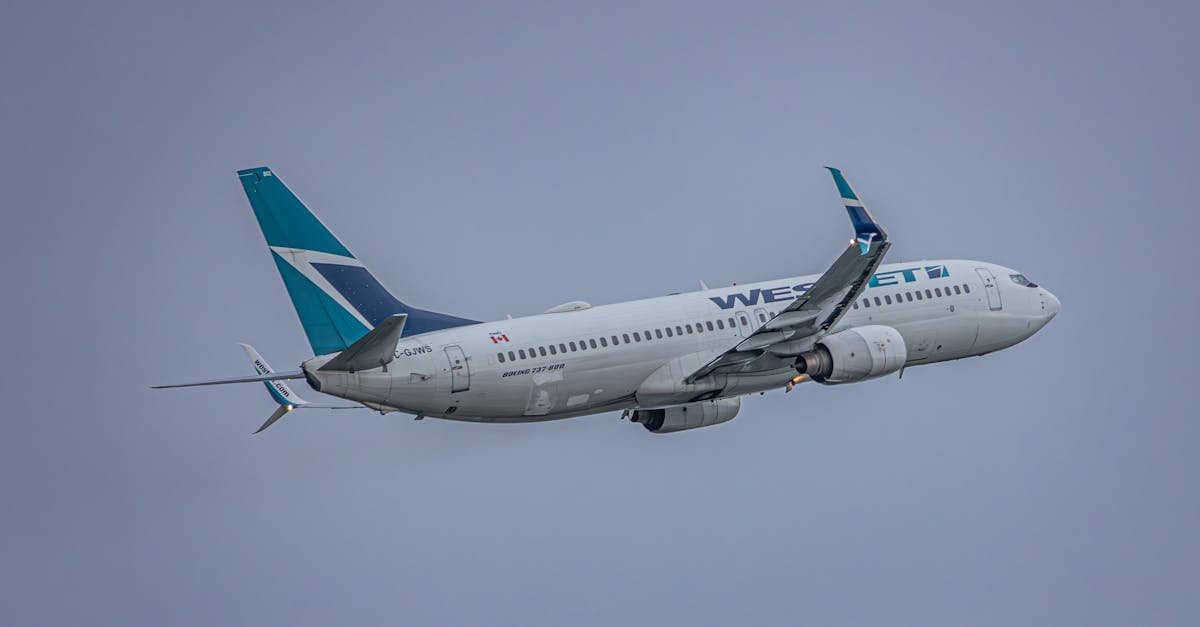
WestJet Fuel Surcharge News: Airline Strategies Amidst Price Surge
In a decisive response to escalating operational costs, Calgary-based WestJet has announced significant changes to its pricing structure and flight schedules. The airline’s new $60 fuel surcharge on select bookings represents a strategic adaptation to the volatile energy market that continues to challenge the aviation industry. This temporary measure, coupled with strategic flight consolidations, demonstrates how carriers are navigating unprecedented financial pressures while maintaining service commitments.
As of this week, travelers utilizing companion vouchers will encounter the new surcharge as part of their total travel expenses. The timing coincides with peak travel planning season, when many Canadians are finalizing summer vacation arrangements. WestJet has simultaneously implemented flight consolidation measures on routes experiencing lower demand, resulting in an approximate one percent reduction in flight availability this April, with projections indicating a three percent reduction in May. The airline has committed to providing affected passengers with comparable alternative travel options, including rebooking assistance and schedule flexibility.
“Fuel represents the largest single contributor to airline operating costs, often accounting for 20-30% of total expenses,” explained a WestJet spokesperson during a recent industry briefing. The implementation of the fuel surcharge reflects careful financial planning designed to absorb recent market volatility without compromising safety or service standards. “We continuously monitor market conditions and will adjust these measures accordingly,” the spokesperson emphasized, acknowledging the particular complexities involved in modifying companion voucher pricing structures compared to standard fare adjustments.
Fuel Surcharge Impact on Canadian Aviation Industry
Industry analysts are closely monitoring WestJet’s approach as a potential template for other carriers facing similar pressures. Wayne Smith, a hospitality and tourism professor at Toronto Metropolitan University, provided crucial context regarding the broader challenges confronting Canadian airlines. His research indicates that fuel supply chain disruptions have created unprecedented cost volatility across the sector. “The general public often underestimates the massive fuel consumption requirements of commercial aviation,” Smith noted, drawing stark comparisons between aircraft and personal vehicle efficiency metrics.
Smith’s analysis includes compelling real-world data demonstrating the severity of recent price increases. A Boeing 787-9 operating the popular Vancouver to Hong Kong route experienced fuel cost escalation from $71,485 in late February to $110,171 by mid-March—a staggering 54% increase in just two weeks. These dramatic fluctuations leave airlines with limited options beyond implementing passenger cost-sharing mechanisms. “The aviation industry operates on notoriously thin profit margins, typically ranging from 3-5% in optimal conditions,” Smith explained, predicting potential additional fee adjustments including enhanced baggage charges and premium service modifications.
Consumer Travel Adjustments and Market Response
The implementation of WestJet’s fuel surcharge strategy illustrates the delicate equilibrium airlines must maintain between financial sustainability and customer satisfaction. Travelers should anticipate fuller aircraft configurations as flight consolidations take effect, particularly on domestic routes and secondary international destinations. While these adjustments may create minor inconveniences, they represent essential measures for maintaining operational viability during challenging economic periods.
Market research suggests Canadian travelers are demonstrating resilience and adaptability to these industry changes. Travel booking patterns indicate consumers are adjusting their planning timelines to accommodate potential schedule modifications while maintaining their commitment to vacation and business travel plans. The airline industry’s transparency regarding temporary surcharges has generally been well-received compared to permanent fare increases.
Looking ahead, WestJet’s fuel surcharge policy serves as a barometer for industry-wide adaptation strategies. Spring and summer travelers should remain informed about evolving charges and potential schedule modifications to ensure seamless journey planning. The airline’s commitment to transparent communication and flexible rebooking policies demonstrates recognition of customer loyalty importance during transitional periods. As global fuel markets continue fluctuating, WestJet’s measured approach may influence how Canadian carriers balance operational requirements with passenger expectations throughout 2026.
Sources
Information compiled from WestJet official statements, Toronto Metropolitan University research, and Canadian aviation industry reports. Market data sourced from recognized aviation fuel tracking services and airline industry publications.

