

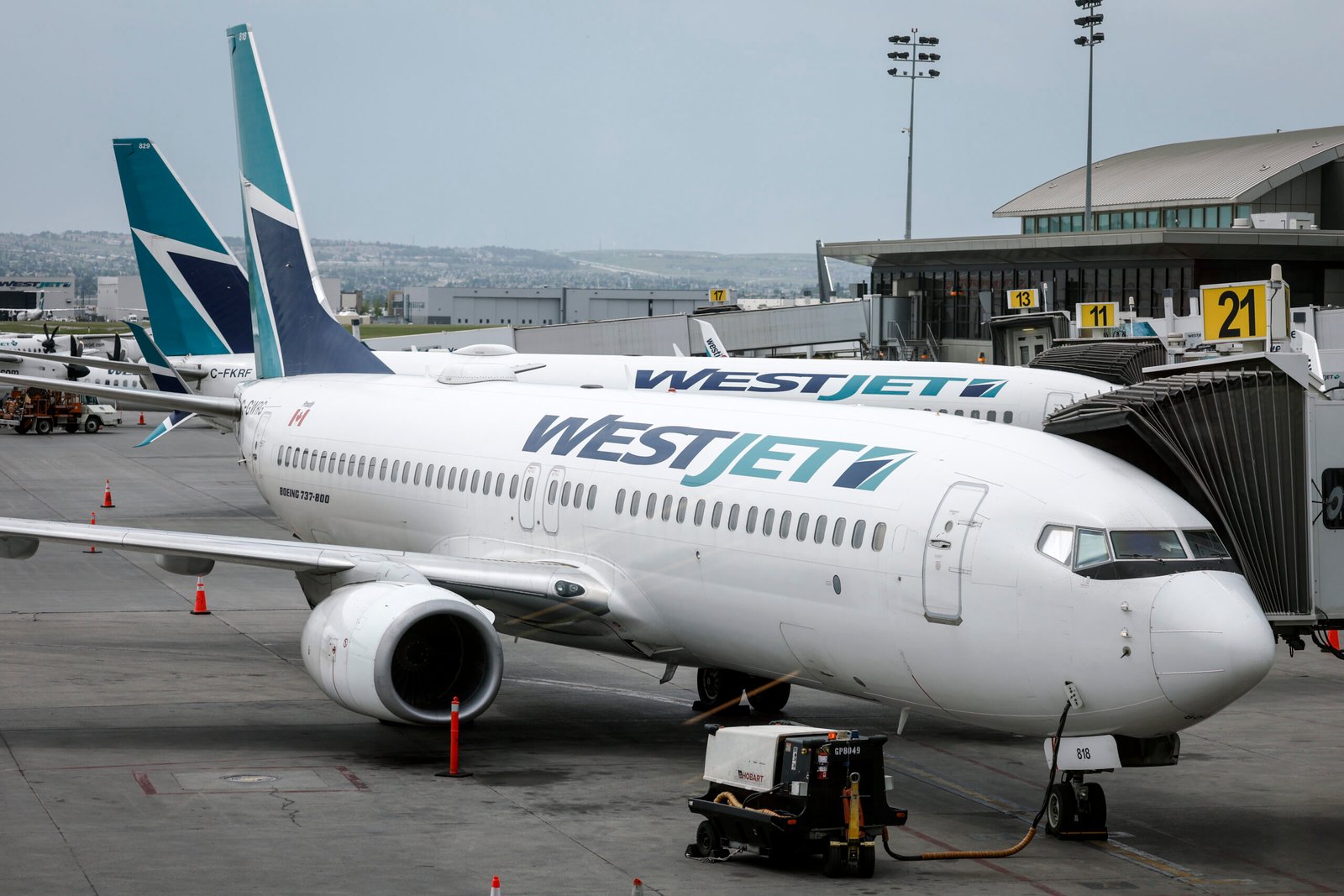
WestJet Sunwing Cuba Flights Suspended
In a stunning move impacting winter travelers, WestJet and Sunwing have halted their winter flights to Cuba due to an acute fuel crisis in the region. The decision, made public at 7:20 p.m. EST on February 9, will significantly affect travel plans, as flights will now return empty to Canada, ensuring passenger safety and operational integrity. This unprecedented disruption comes at the height of winter travel season, when thousands of Canadians typically escape to Cuba’s warm beaches and resorts.
Immediate Response to Fuel Shortage
The WestJet Group, which includes WestJet Vacations and Vacances WestJet Quebec, is actively working to address the situation by facilitating the repatriation of Canadian tourists currently in Cuba. With aircraft dispatched without passengers, the aim is to secure ample fuel resources for the round trip, circumventing Cuba’s limited capacity. This strategic move reflects WestJet Group’s commitment to prioritize safety while navigating operational challenges during the crisis.
The fuel shortage has created logistical nightmares for airlines operating in Cuban airspace. Aviation fuel supplies at major Cuban airports, including José Martí International Airport in Havana and Juan Gualberto Gómez Airport in Varadero, have reached critically low levels. Industry experts suggest this shortage stems from broader economic challenges facing Cuba, including supply chain disruptions and foreign currency constraints that have limited the country’s ability to import essential aviation fuels.

Sales Suspension and Operational Impact
To alleviate pressure on Cuba’s scant fuel reserves, new bookings for Cuban destinations have been stopped by WestJet Group. Their primary focus now is leveraging current flights to ensure the safe return of vacationers. “To ease the burden on local resources, the WestJet Group has suspended sales and is concentrating on safely bringing home our guests from Cuba,” announced a company statement, highlighting the critical state of Cuba’s aviation fuel supplies.
The operational impact extends beyond simple flight cancellations. Hotels and resorts across Cuba are now dealing with stranded guests whose return flights have been indefinitely postponed. Tourism operators report that some travelers are extending their stays involuntarily, while others are scrambling to find alternative routes home through third countries. The uncertainty has created anxiety among both tourists and their families back in Canada.
Alternative Strategies by Competitors
While WestJet and Sunwing are opting for immediate flight cancellations, other airlines are implementing varying strategies to manage the crisis. Air Canada has adopted similar precautionary measures, reducing flight frequencies and implementing fuel-saving operational procedures. However, Air Transat is offering flexible booking options and rebooking alternatives through connecting flights via Mexico and other Caribbean destinations to keep schedules intact wherever possible. These differing approaches highlight the complex nature of the fuel crisis and its varying impact on different airline operations.
Charter airlines serving the Cuba route are also exploring innovative solutions, including fuel stops in Jamaica or the Dominican Republic to ensure adequate reserves for return journeys. This strategy, while operationally complex and costly, allows some carriers to maintain limited service to popular Cuban destinations.
Wider Implications for Cuban Tourism
The current disruption in flight services is poised to have wider ramifications, particularly on Cuba’s tourism-dependent economy. As a preferred winter destination for sun-seeking Canadians, the ongoing fuel crisis introduces an element of unpredictability for tourists and local businesses alike. Tourism accounts for approximately 10% of Cuba’s GDP, making these flight disruptions particularly damaging to the island’s economic recovery efforts.
Local businesses, from restaurants and tour operators to taxi services and souvenir shops, are already feeling the pinch as visitor numbers decline sharply. Hotel occupancy rates in key tourist areas like Varadero and Cayo Coco have dropped significantly, with some properties reporting cancellation rates exceeding 40% for upcoming bookings.

The Road Ahead for Cuba’s Tourism Industry
As Cuba endeavors to resolve its fuel supply challenges, airlines and travelers must remain adaptable. The consequences extend beyond immediate flight cancellations, potentially affecting Cuba’s long-term tourism competitiveness and economic stability. Industry analysts suggest that resolving the fuel crisis will require international cooperation and significant investment in fuel infrastructure and supply chain improvements.
Travel agents are advising clients to consider alternative Caribbean destinations or postpone Cuba travel plans until the situation stabilizes. For those with existing bookings, staying informed through official airline channels and maintaining flexible travel insurance becomes crucial. The fate of WestJet Sunwing Cuba flights hangs in balance, calling for a concerted effort from all stakeholders to weather this unprecedented crisis and restore confidence in Cuba as a reliable winter destination.

