

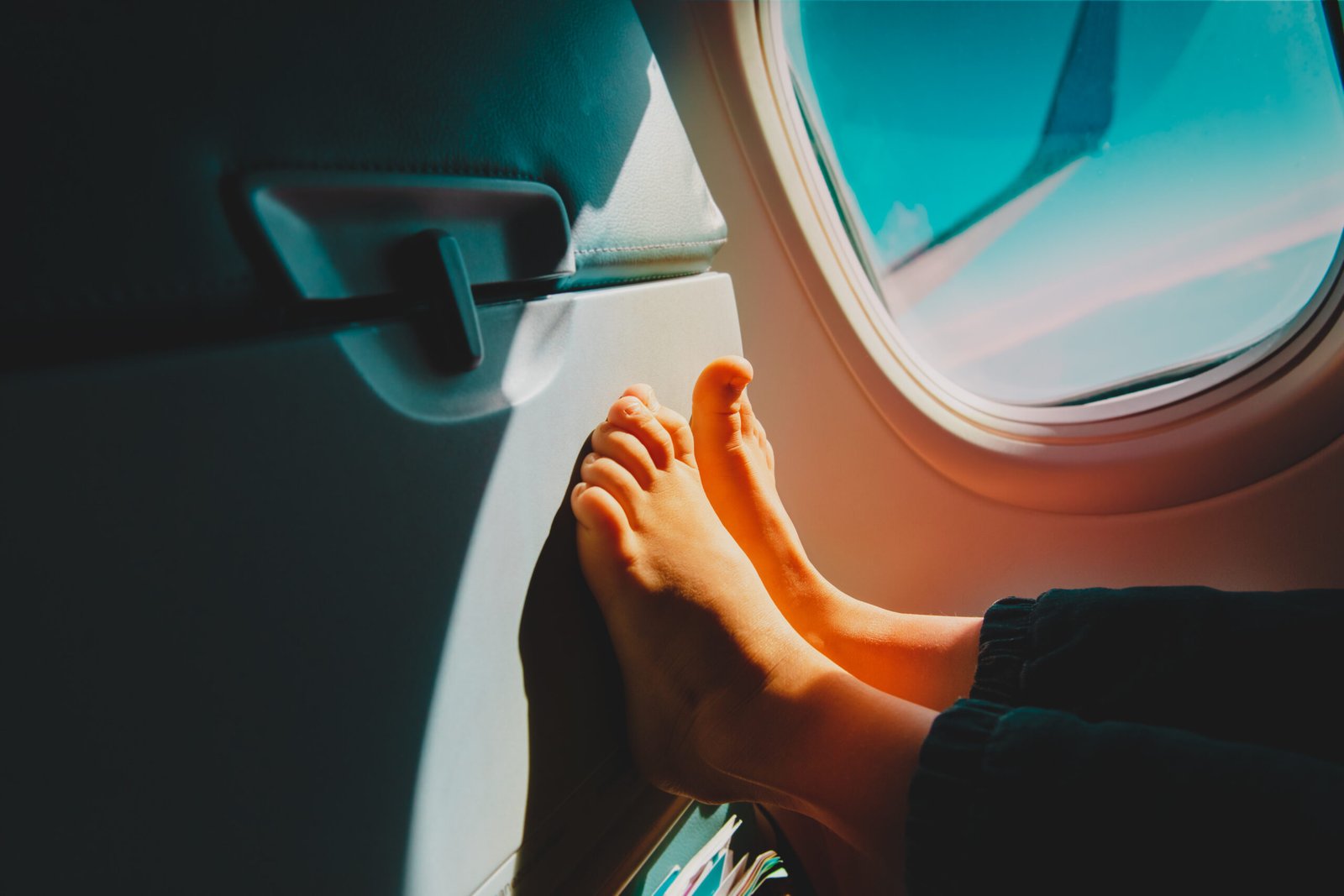
In an unexpected move this April 1st, WestJet announced a comprehensive airline policy banning bare feet on all flights, initially catching industry attention for its potential impact on passenger comfort and hygiene standards. While the timing coincided with April Fool’s Day, the announcement has sparked serious conversations about maintaining clean and comfortable environments aboard commercial aircraft across the aviation industry.
WestJet’s Strategic Approach to Flight Experience Enhancement
Steph Ng, Vice-President of Brand and Marketing at WestJet Group, outlined the initiative’s core objective to improve passenger experiences by ensuring all travelers remain properly shod throughout their journey. Ng emphasized that preventing bare feet in-flight environments could significantly enhance comfort levels, particularly on long-haul international routes where enclosed cabin spaces might amplify hygiene concerns and undesired odors.
The airline policy represents WestJet’s proactive response to increasing passenger feedback regarding in-flight comfort standards. Industry analysts suggest this move reflects broader trends toward more stringent cabin environment regulations, as airlines compete to differentiate their service offerings in an increasingly crowded marketplace.
Comprehensive Implementation Across All Flight Phases
WestJet’s footwear mandate encompasses all flight phases—boarding, transit, and deplaning procedures. According to Ng, “Whether passengers are enjoying in-flight meals, resting during overnight flights, or moving about the cabin, guests are expected to maintain appropriate footwear, contributing to enhanced collective hygiene standards.” This comprehensive approach demonstrates the airline’s commitment to consistent policy enforcement throughout the entire travel experience.
Coinciding with the airline policy announcement, WestJet released a promotional video that humorously illustrated potential passenger discomforts associated with uncovered feet in confined aircraft spaces. The creative marketing campaign effectively communicated the initiative’s underlying message while maintaining WestJet’s brand personality known for engaging customer communications.
Industry Leadership in Passenger Comfort Standards
As a leading Canadian carrier, WestJet continues demonstrating its commitment to responsive customer service by innovating policies that align with evolving passenger preferences. The introduction of this airline policy, whether implemented as stated or serving as industry commentary, contributes to broader discussions about establishing higher onboard health and comfort standards across commercial aviation.
Current policy development includes formulating specific guidelines for reasonable exceptions, such as accommodations for infants, passengers with medical conditions, or service animals. This approach reflects WestJet’s dedication to inclusive policy framework design that maintains hygiene objectives while respecting diverse passenger needs and accessibility requirements.
Broader Aviation Industry Implications
Travel industry experts suggest WestJet’s announcement could influence other carriers to examine their own cabin environment policies more critically. As airlines navigate post-pandemic heightened awareness of hygiene standards, innovative approaches to passenger comfort are becoming increasingly important competitive differentiators in the aviation marketplace.
For comprehensive details about WestJet’s footwear requirements, interested parties can review complete policy information at westjet.com/april-fools, which outlines specific implementation guidelines and exceptions. The announcement has already generated substantial discussion among aviation industry professionals regarding the potential for stricter cleanliness protocols.
Future Outlook for Aviation Hygiene Standards
WestJet’s bare feet prohibition represents more than a singular airline policy adjustment; it potentially signals evolving industry standards toward enhanced passenger experience management. As commercial aviation continues recovering and adapting to changing traveler expectations, innovative approaches to cabin environment management are likely to become increasingly prevalent.
The initiative demonstrates how airlines can address passenger concerns through creative policy solutions while maintaining brand engagement. As the aviation industry continues evolving to meet growing passenger demands for improved comfort and hygiene standards, WestJet’s proactive approach may inspire broader reflection on comprehensive passenger experience enhancement across the global airline industry.

