

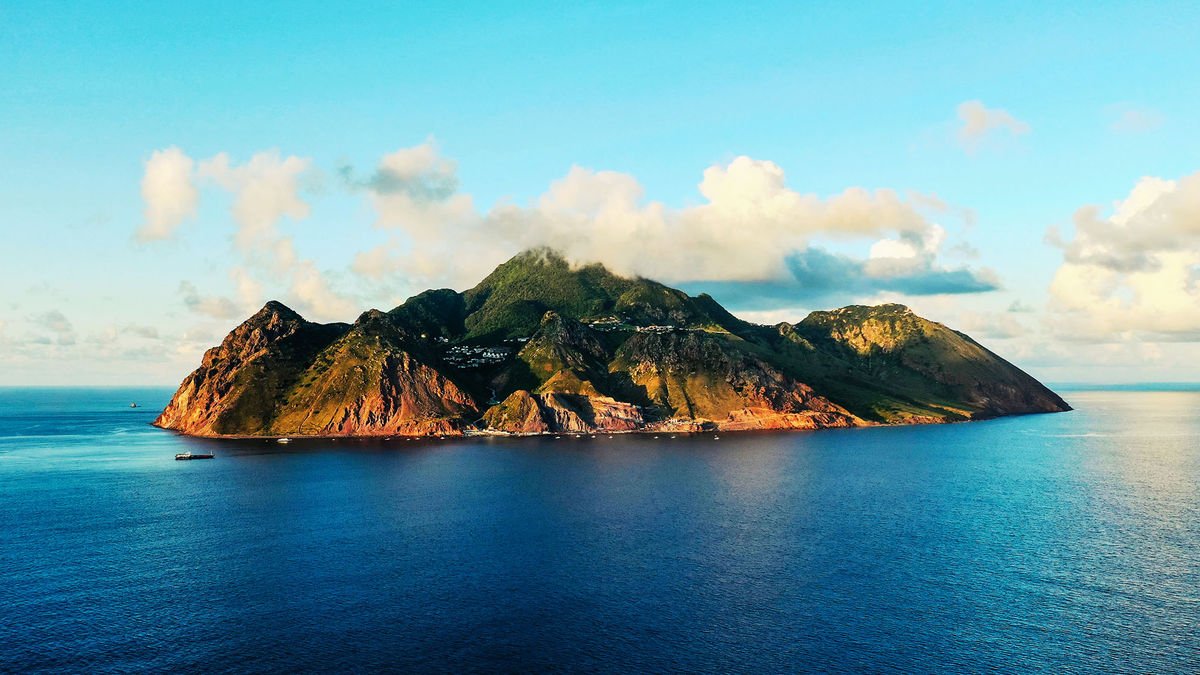
Flying can be a daunting experience for many, especially when navigating to a place like Saba. As the plane descends toward its uniquely small runway, the excitement of arriving on this stunning volcanic island quickly eclipses any anxieties about flying.
Saba, a captivating 5-square-mile island in the Caribbean, rises abruptly from the sea and is positioned just a 12-minute flight from St. Maarten. This experience isn’t just about reaching a destination; it’s an introduction to a landscape that feels straight out of an adventure novel.
From emerald cliffs veiled in mist to narrow roads that wind alongside steep drop-offs, Saba captivates every traveler. Wells Bay enchants visitors with its glowing blue waters and the appearance of a crescent of black sand that shifts with the tides. At nearly 3,000 feet, Mount Scenery provides breathtaking 360-degree views from its cloud forest summit, standing proud as the island’s highest peak.
For those seeking a typical Caribbean beach vacation, Saba isn’t the ideal choice. The island offers no expansive beaches, no bustling cruise ship terminals, and remains free from large all-inclusive resorts. With limited accommodations, including the upcoming Scenery Hotel, soon to be the fifth on the island, Saba maintains its unspoiled character.
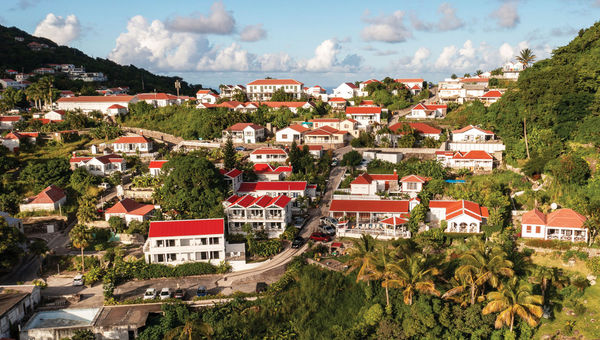
Windwardside is one of the four main villages on the island of Saba. Photo Credit: Kai Wulf
Unlike its flamboyant Caribbean counterparts, Saba embodies a tranquil lifestyle focused on sustainability. The island prioritizes the preservation of both its natural beauty and cultural landscape. Hikers can explore 23 miles of meticulously maintained trails, navigating through rainforests adorned with orchids and steep stairways forged by hand. One recommended hike, the Mas Cohones trail, rewards climbers with panoramic views over Windwardside’s rooftops and a refreshing drink at Colibri Cafe.
For diving enthusiasts, Saba Marine Park forms one of the Caribbean’s most pristine underwater havens, boasting coral pinnacles, lava tunnels, and diverse marine life. Wells Bay, a favorite for both snorkelers and divers, features fascinating caves waiting to be explored. Operators such as Sea Saba and St. Maarten Dive Adventures conduct tours that delve into the marine beauty of this protected area.
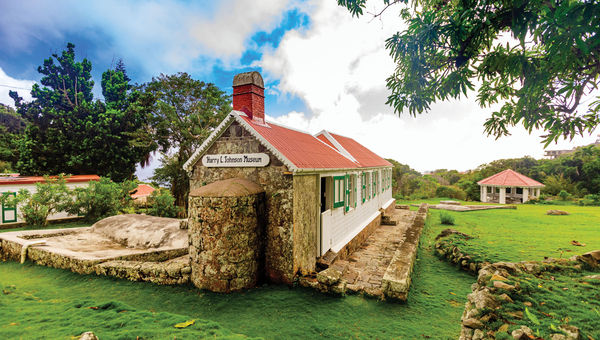
The Saba aesthetic is defined by white buildings with green shutters and red roofs. Photo Credit: Laura Grier
The Unique Aesthetics of Saba
Admissions to Saba’s strict architectural guidelines ensure that most buildings be painted white with green shutters and capped with red roofs, creating a fairy-tale ambiance in its villages, particularly in Windwardside and the capital, The Bottom. The island’s petite population of approximately 2,000 fosters a warm, small-town atmosphere, where locals greet visitors unfailingly and often invite them to community events.
As the most frequented tourist village, Windwardside features boutique shops like Jobean Glass Arts. It also houses the Harry L. Johnson Museum, preserving Saba’s rich history.
The Mount Scenery Trail originates in Windwardside, where adventurers can conquer its 1,064 stone steps to reach the summit. For lodging, Juliana’s Hotel offers cozy accommodations complete with a pool and stunning mountain vistas.
Windwardside is marked by its lack of chain restaurants; instead, visitors savor locally owned eateries like Brigadoon and the rainforest-encased Rendezvous. Renowned for delightful offerings, Brigadoon’s Thai shrimp and Rendezvous’ mahi-mahi can elevate any dining experience.
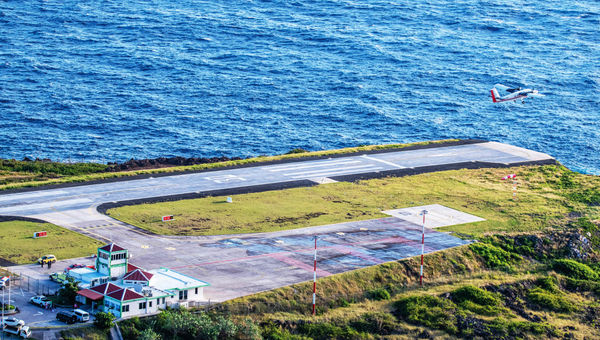
The landing strip at Yrausquin Airport is widely celebrated as the shortest in the world. Photo Credit: Kai Wulf
Developments and Sustainable Tourism
Saba’s approach to tourism is measured and sustainable, with recent developments aimed at enhancing access without compromising the island’s unspoiled charm. The Black Rocks Harbor project aims to bolster accessibility while supporting eco-friendly initiatives. Initially a response to hurricane damage, this venture complements the existing Fort Bay marina and will accommodate non-cargo vessels including cruise ships.
Under the guidance of Ballast Nedam International Projects, this endeavor emphasizes ecological conservation, with active coral rehabilitation programs also in the pipeline. Construction is expected to kick off post-hurricane season, with anticipated completion in December 2026.

