

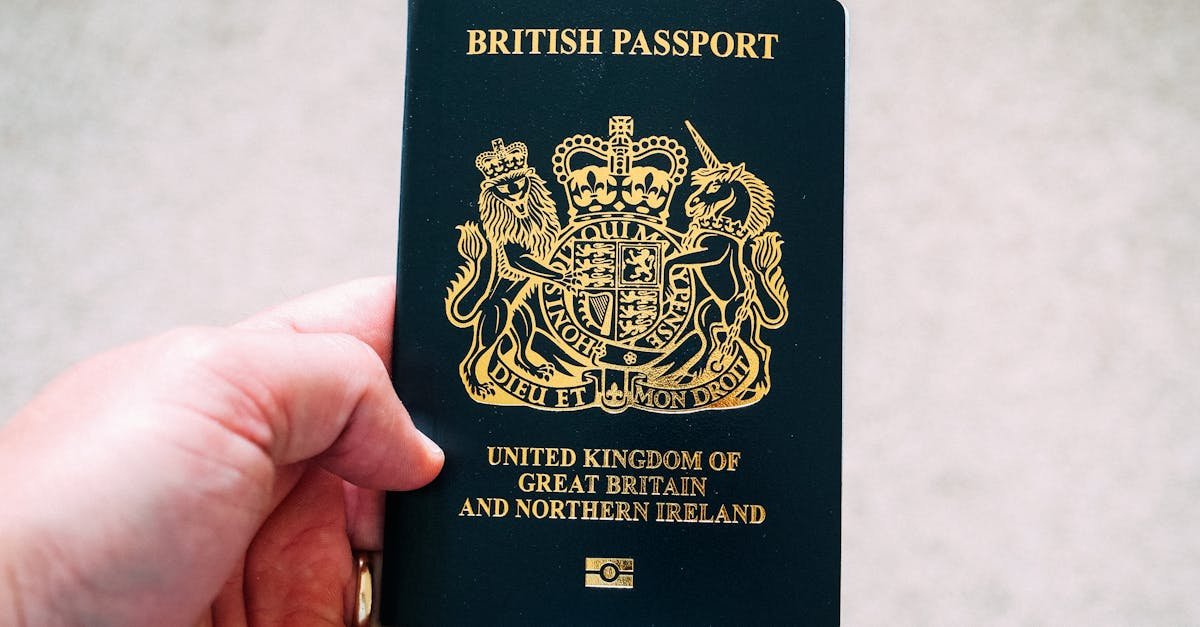
Revolutionary ETA System Set to Transform UK Border Control
Starting February 25, 2026, travelers from 85 countries, including Canada, the United States, and France, will need a UK electronic travel authorization to enter the United Kingdom. This significant step aims to enhance border security while simplifying entry procedures, marking the most substantial change to UK immigration policy in decades. The electronic travel authorization represents a digital evolution in how Britain manages its borders, replacing traditional paper-based systems with cutting-edge technology designed to streamline visitor processing.
Launch of the Comprehensive ETA Scheme
The UK electronic travel authorization (ETA) represents a forward-thinking initiative, offering a streamlined visa waiver process for visitors. However, unlike traditional visas, it is a digital authorization all visitors from designated countries must obtain in advance. Launched initially in October 2023 for select countries, the scheme allows the UK to better manage migration and identify potential threats before travelers reach British soil.
The UK Home Office reports that most ETA applications are processed swiftly through automated systems, with 95% approved within 48 hours. Mike Tapp, Minister for Migration and Citizenship, emphasized, “ETAs empower us to prevent entry by those who pose risks, providing a comprehensive view of immigration while maintaining our reputation as a welcoming destination for legitimate travelers.”
Digital Application Process and Requirements
Applicants are required to use the UK ETA app, designed to facilitate a smooth application experience through biometric verification and document scanning technology. Priced at £16 (approximately CDN $30), the electronic travel authorization permits stays of up to six months, remaining valid for two years or until the passport’s expiration, whichever comes first. The application requires a valid passport, recent photograph, and payment via digital methods.
Travel industry experts recommend applying at least three business days prior to departure, though peak travel seasons may require longer processing times. The system requires applicants to provide personal information, travel plans, and answer security-related questions. Airlines and ferry operators will verify ETA status before allowing passengers to board, making advance application absolutely essential.
Industry Impact and Stakeholder Response
The tourism industry has expressed mixed reactions to the ETA implementation. Travel agents report increased inquiries about application procedures, while some worry the additional requirement might deter spontaneous travel. However, industry associations acknowledge that the system brings the UK in line with similar programs in Australia and Canada.
Major airlines have invested in staff training and updated booking systems to accommodate ETA verification. British Airways and Virgin Atlantic have integrated ETA reminders into their pre-flight communications, while budget carriers emphasize the importance of proper documentation to avoid denied boarding situations.
Enhanced Security and Border Management
The introduction of the ETA scheme represents a proactive step in tightening the UK’s border security amid increasing travel volumes post-pandemic. Immigration officials can now cross-reference passenger information against security databases before travelers begin their journey, significantly reducing processing times at ports of entry. The system also enables better tracking of visitor compliance with visa conditions and overstay patterns.
Border Force officials report that the digital system has already prevented several security risks from entering the UK during the pilot phase, demonstrating its effectiveness in identifying potential threats while maintaining efficient processing for legitimate travelers.
Future Implications and Global Trends
With millions expected to visit annually, the ETA marks a vital update for UK entry procedures that positions Britain at the forefront of digital immigration management. While enhancing security and efficiency, the transition to digital authorization presents challenges for travelers less comfortable with technology, particularly older demographics who may require assistance with the application process.
This shift aligns with a global trend of balancing heightened security with seamless travel facilitation. The European Union is developing similar systems, suggesting that electronic travel authorization will become standard across major destinations. Travel observers will closely monitor the scheme’s impact on visitor numbers and tourism revenue, as the UK electronic travel authorization system sets precedents for international travel in the digital age.

