

TSA Shutdown Resolution Brings Relief and Restored Operations to U.S. Airports
In a significant development for air travelers across the United States, a bipartisan TSA shutdown resolution was reached on April 1st, ending the Department of Homeland Security (DHS) shutdown that had plagued airports nationwide for weeks. This crucial agreement restores pay for Transportation Security Administration (TSA) agents, ensuring smoother airport operations and bringing much-needed relief to travelers and staff affected by the prolonged disruption.
Comprehensive Impact of the TSA Shutdown Resolution
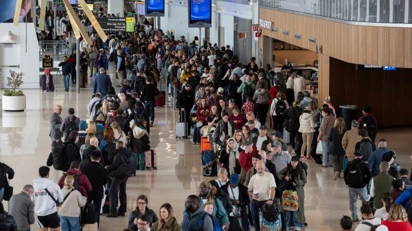
The agreement, spearheaded by Senator John Thune and House Speaker Mike Johnson, comes as welcome news to travelers and TSA staff who have faced substantial challenges since February 14th. Many TSA agents were working without pay during the shutdown, leading to increased staffing challenges, extensive wait times at security checkpoints, and operational bottlenecks at major airports, particularly in cities like Houston, New Orleans, Atlanta, and Los Angeles.
The TSA is now mobilizing to swiftly reduce these delays and restore normalcy to airport operations. Industry analysts estimate that the shutdown cost the aviation sector millions in lost productivity and delayed flights, severely impacting the economic aspects of airline operations and passenger satisfaction metrics across major hub airports.
Legislative Action and Political Response
The TSA shutdown resolution funds the DHS through September 30th, effectively reinstating financial stability for approximately 60,000 TSA agents nationwide. Previously, the shortage of paid staff led to an unprecedented strain on airport operations, with some facilities reporting only 30% of security lanes operational during peak travel periods. “While President Trump initially rejected the funding package, a senior White House official confirmed he would approve it imminently,” stated Senator Thune during the announcement.
The bipartisan nature of this agreement demonstrates the critical importance of maintaining essential transportation security services, especially as the busy summer travel season approaches. Congressional leaders emphasized that protecting both national security and economic stability required swift action to end the impasse.
Addressing Critical TSA Staffing Challenges
This TSA shutdown resolution is instrumental in ameliorating the widespread impact on both agents and travelers. Historically, the TSA has grappled with maintaining adequate staffing levels, a situation dramatically exacerbated during the shutdown period. Financial strain led to a surge in ‘sick outs’—incidents where unpaid agents called in sick, creating cascading effects on airport operations at crucial security checkpoints nationwide.
With normal pay resuming immediately, significant airport wait time reductions are anticipated as staffing challenges are systematically addressed. The reopening of currently closed TSA lanes, including expedited services like PreCheck and CLEAR processing, will substantially alleviate congestion at security checkpoints. These operational improvements promise dramatically smoother experiences for the millions of travelers using U.S. airports daily, a critical priority as facilities prepare for increased summer travel volume.
Economic Recovery and Traveler Benefits
From an operational standpoint, the resolution provides vital support for both economic stability and passenger convenience. Recent industry figures highlight the urgency of the situation: airports reported average wait times exceeding two hours during peak periods, with only a fraction of TSA checkpoints fully operational. These logistical bottlenecks created ripple effects throughout the aviation system, causing flight delays and passenger frustration.
For travelers, the benefits are immediate and substantial: dramatically shorter wait times, smoother check-in processes, restored confidence in travel planning, and enhanced overall airport experiences. Airlines are already reporting improved on-time performance as security bottlenecks are eliminated, allowing for more predictable flight schedules.
Industry Outlook and Future Preparedness
As the aviation industry rebounds from this significant disruption, travelers and airlines alike anticipate fully restored operations, especially at the nation’s busiest airports. With the critical summer travel season approaching—traditionally the industry’s most profitable period—this swift legislative agreement is instrumental in ensuring that the aviation sector maintains operational momentum and passenger confidence.
Industry experts emphasize that this TSA shutdown resolution not only addresses immediate operational concerns but also highlights the need for contingency planning to prevent similar disruptions. Airlines are working closely with airport authorities to implement backup procedures and improve communication systems for future emergencies.
In summary, the resolution provides a significant victory for the aviation industry and its passengers. With TSA agents restored to their roles and compensated appropriately, a return to normalcy and peak efficiency is anticipated at airports nationwide. This situation underscores the critical importance of governmental cooperation in maintaining essential transportation services and demonstrates the far-reaching impact of political decisions on everyday travel experiences.

