

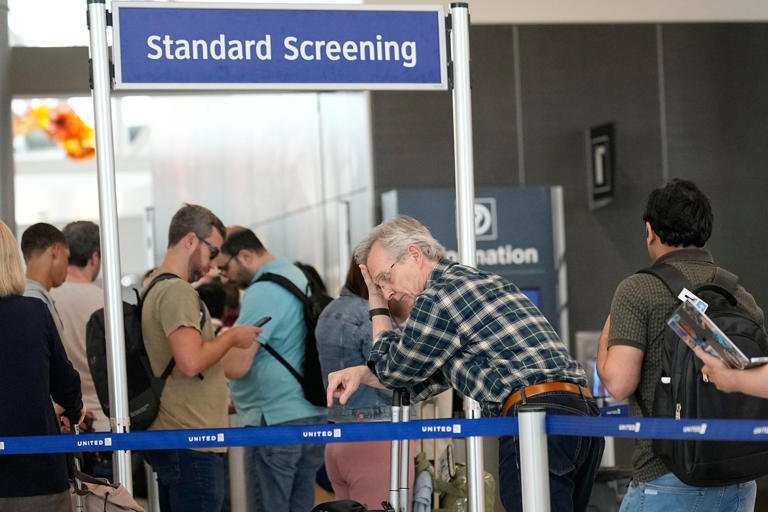
A prolonged TSA funding crisis continues to wreak havoc on airport security operations nationwide, leaving millions of travelers facing unprecedented delays and disrupted travel plans. The ongoing congressional gridlock over Transportation Security Administration budget allocations has created a domino effect of staffing shortages, checkpoint closures, and operational inefficiencies that show no signs of immediate resolution.
The Root of the TSA Funding Crisis
The current TSA funding crisis stems from Congressional inability to pass a comprehensive Department of Homeland Security appropriations bill. Originally scheduled for approval on April 2nd, the bipartisan funding package remains stalled in the House of Representatives, leaving critical security operations in limbo. The proposed legislation would finance DHS operations through September 30th, but political disagreements over immigration enforcement provisions have derailed progress.
President Trump’s willingness to sign the agreement, despite previous reservations, has done little to break the legislative impasse. The exclusion of requested immigration enforcement funding continues to fuel heated debates among lawmakers, while airport security operations suffer the consequences of their indecision.
Devastating Impact on TSA Personnel
The human cost of this TSA funding crisis has been particularly severe. Transportation Security Officers went without pay from February 14th until recent partial payments were distributed. However, many agents have yet to receive full compensation, creating financial hardship that has driven numerous resignations across the agency.
The exodus of experienced TSA personnel has created a staffing crisis that extends far beyond simple numbers. Training new security officers requires weeks of preparation, meaning that even when funding resumes, airports will face months of operational challenges before returning to normal capacity. Industry experts estimate that some major airports have lost up to 15% of their security workforce during this funding gap.
Airport Operations Under Strain
Major airports from Houston to New Orleans are operating with severely reduced checkpoint capacity. During peak travel periods, facilities that normally operate eight to ten security lanes are functioning with as few as three or four. This consolidation has eliminated premium services like TSA PreCheck and CLEAR lanes at many locations, forcing all passengers through standard security screening processes.
The ripple effects extend beyond passenger inconvenience. Airlines are adjusting flight schedules to accommodate longer security wait times, while airport retailers and restaurants report significant revenue losses as travelers spend more time in security lines rather than shopping and dining areas. Some airports have implemented emergency protocols, including calling in off-duty staff and requesting assistance from other federal agencies.
Industry-Wide Economic Consequences
The TSA funding crisis has generated substantial economic losses across the travel industry. Airlines report increased operational costs due to flight delays and passenger rebooking requests. Airport concessionaires face reduced foot traffic as travelers arrive closer to departure times to minimize wait periods. Business travel has been particularly affected, with corporate clients expressing frustration over unpredictable security delays.
Travel industry analysts estimate that the ongoing crisis has cost the sector hundreds of millions in lost productivity and customer satisfaction. Hotel bookings in affected cities have declined as leisure travelers opt to postpone trips rather than navigate uncertain airport conditions.
Critical Summer Season Approaching
With the busy summer travel season rapidly approaching, industry stakeholders are increasingly concerned about the long-term implications of the TSA funding crisis. Historical data shows that summer months generate 40% higher passenger volumes at most major airports, making current staffing levels completely inadequate for anticipated demand.
Airport executives are developing contingency plans that may include temporary terminal closures, flight capacity restrictions, and enhanced coordination with local law enforcement agencies. However, these measures represent short-term fixes that cannot address the fundamental need for properly funded TSA operations.
The resolution of this TSA funding crisis remains tied to broader congressional negotiations over immigration policy and border security measures. Until lawmakers can separate essential airport security funding from partisan political disputes, travelers should expect continued disruptions and delays throughout the crucial summer travel period.

