

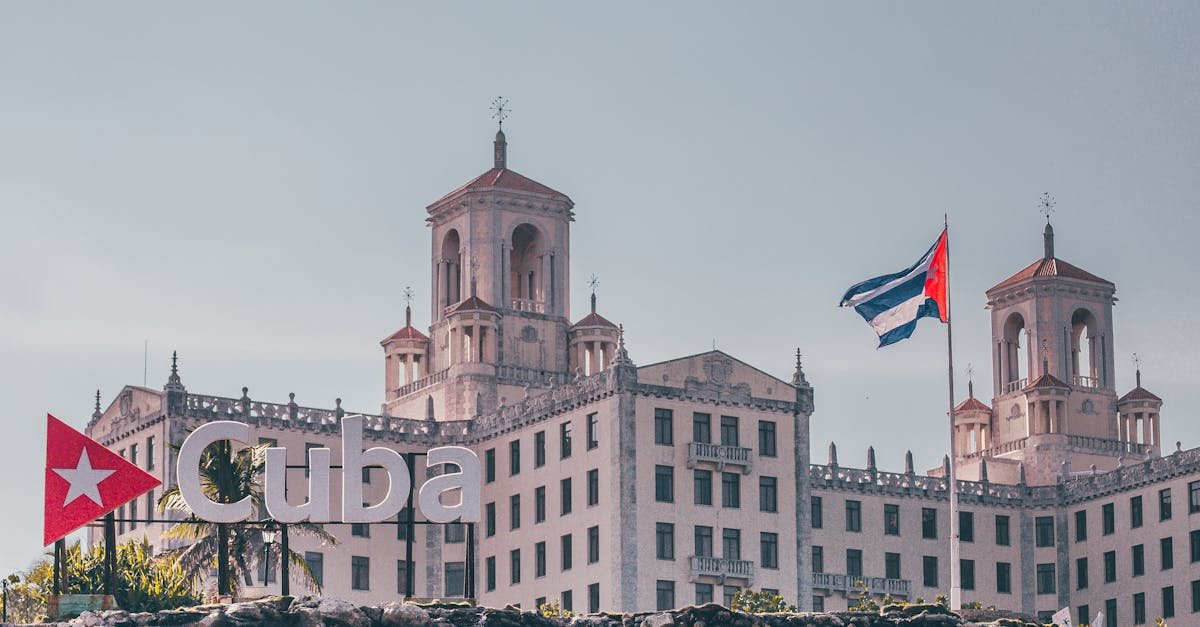
Cuba Tourism Impact: Trump Signals Major Shift in Relations
In a surprising development in US-Cuba relations, President Donald Trump has put forth intentions that could significantly impact Cuba’s tourism industry, particularly its essential connections with Canadian tourists. At a White House event, Trump suggested that changes in US foreign policy priorities may soon turn towards Cuba, potentially indicating a pivotal shift for the Caribbean nation’s tourism landscape.
He stated, “It will be just a question of time before you and a lot of unbelievable people are going to be going back to Cuba,” implying notable changes ahead that could reshape the entire Caribbean tourism market.
Trump’s Cuba Policy Strategy and Tourism Implications
President Trump’s remarks, hinting that Cuba might ‘fall pretty soon’, come during Cuba’s severe fuel crisis exacerbated by the United States’ discontinuation of Venezuelan oil supplies and enduring trade embargo. These policies have contributed to dire conditions, including widespread blackouts extending to Havana and western regions, directly affecting tourist experiences and hotel operations.
State-run media highlights that repairing a crucial power plant may take up to 72 hours, a reflection of Cuba’s infrastructural challenges that have forced many resorts to rely on generators and implement rolling blackouts. Tourism industry experts note that these power outages have led to hotel booking cancellations and reduced occupancy rates across major tourist destinations, including Varadero, Trinidad, and Santiago de Cuba.
Cuba-Canada Tourism Relationship Under Pressure
Canada has long been a steadfast ally in Cuba’s tourism framework, maintaining diplomatic and economic ties that have weathered decades of political changes. With the U.S. maintaining its economic embargoes, Canadians form a significant part of Cuba’s market, accounting for approximately 40% of foreign visitors and generating over $1.2 billion annually in tourism revenue.
Despite issues like suspended flights and a Level-3 travel advisory from Ottawa, Cuba is actively working to attract Canadian travelers through digital marketing initiatives and promotional campaigns targeting winter travelers. Major Canadian tour operators like Sunwing and WestJet Vacations continue offering packages, though at reduced frequencies compared to pre-pandemic levels.
Cuba’s appeal to Canadians lies in its affordability, proximity, and famously friendly locals, making it a popular winter escape destination. Canadian visitor Debbie Sutherland shared her love for Cuba, citing the warm reception from locals even amidst the adversity of canceled tours and closed businesses. “The Cuban people’s resilience and hospitality remain unchanged despite the challenges,” she noted during her recent visit to Cayo Coco.
Prospects of US-Cuban Relations and Tourism Market Transformation
The Trump administration suggests possible US-Cuba negotiations that could radically change the Caribbean tourism landscape. Should American restrictions be lifted, increased travel by Americans might alter Cuba’s dependence on Canadian tourists, impacting marketing strategies, flight routes, and tourism infrastructure development.
Industry analysts predict that unrestricted American access could bring 2-3 million additional visitors annually to Cuba, potentially straining the island’s limited hotel capacity of approximately 70,000 rooms. This influx would likely drive up prices and force Cuban authorities to prioritize infrastructure improvements in major tourist zones.
Major hotel chains, including Meliá, Iberostar, and Barceló are reportedly preparing contingency plans for potential policy changes, with some considering rapid expansion projects in anticipation of increased American tourism demand.
Future of Canadian Tourists in Cuba’s Evolving Market
As political dynamics shift, the enduring travel patterns of Canadian visitors may experience significant changes. For Canadians who cherish a unique, American-free Cuban experience, the anticipated transformations may herald the end of an era defining Cuba as a favored winter haven.
Travel industry experts suggest that Canadian tour operators may need to adjust their Cuba strategies, potentially focusing on premium packages or alternative Caribbean destinations if increased American tourism drives up costs and reduces availability.
In conclusion, President Trump’s assertions and the consequent geopolitical shifts signify a critical transition period for Cuba’s tourism sector. Canadian travelers and industry stakeholders are now keenly observing how evolving international relations may reshape their beloved connection with Cuba, while the broader Caribbean tourism market prepares for potentially dramatic changes in visitor demographics and travel patterns.

