

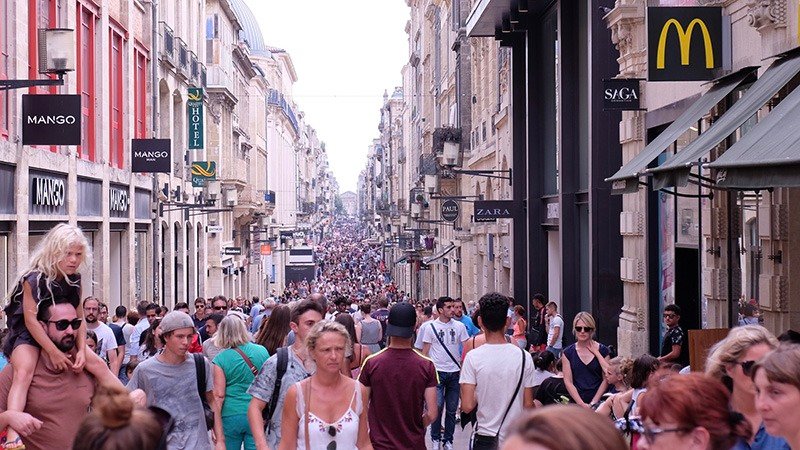
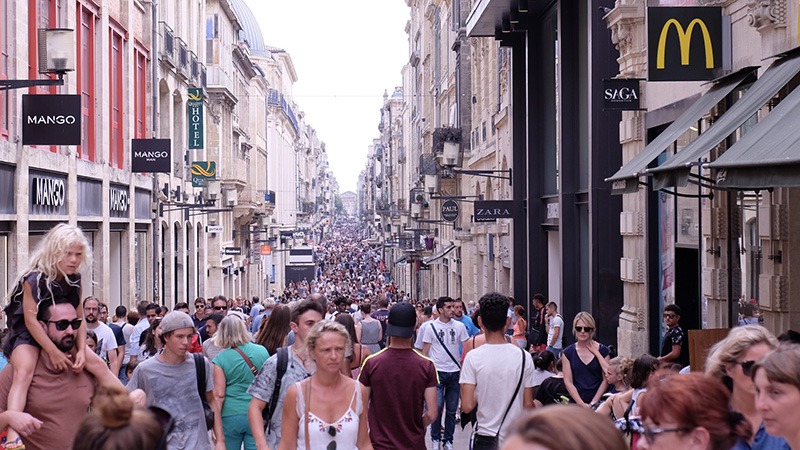
As global tourism rebounds in 2025, several popular destinations are implementing new restrictions to manage peak-season crowds. From Mount Fuji in Japan to the canals of Venice, these measures are aiming to balance the influx of tourists with local communities’ needs and environmental sustainability.
New Entry Restrictions and Fees in Japan
Mount Fuji will require both domestic and international climbers to pay a ¥4,000 (C$35) fee starting July 2025. This significant change expands the fee requirement from just the Yoshida Trail to all four main trails: Yoshida, Fujinomiya, Subashiri, and Gotemba. The fee, which doubled from 2024, is part of Japan’s effort to combat overtourism and safeguard the UNESCO World Heritage site. Additionally, climbers on the popular Yoshida Trail must make advance reservations through an online system during the prime climbing season, which runs until early September.
Protests Spark Regulations in Spain
Barcelona has become the epicenter of a backlash against overtourism in Spain. Protests have highlighted congestion around iconic sites like the Sagrada Familia, where up to 16,000 visitors arrive daily. In response, city officials are rolling out a three-year action plan to alleviate crowding, including the construction of a new outdoor plaza. Tourist taxes for luxury hotels will also double from €3.50 to €7 per night starting October 2025.
Managing Tourist Influx in Greece
In the popular islands of Santorini and Mykonos, a new €20 (C$30) per person levy will be introduced for cruise passengers from June 1 to September 30. This fee aims to ease the pressure on local infrastructure during peak season. On top of that, Santorini is capping daily cruise visitors to 8,000 to protect its natural beauty.
Measures to Protect Croatia’s Dubrovnik
Dubrovnik, now recognized as Europe’s most crowded city, is taking steps to manage its overwhelming influx of tourists. The city has launched a special traffic zone that limits vehicle access near the old city walls and has reduced the number of taxis and souvenir stands significantly. Furthermore, marketing initiatives are promoting year-round tourism to reduce peak-season traffic.
Peru’s Machu Picchu Enforces Visitor Caps
The Peruvian government has announced a cap of 5,600 daily visitors to Machu Picchu through September 2025. This policy, aimed at protecting the UNESCO World Heritage site, prioritizes sustainable tourism while maintaining designated visitor circuits and timed entry tickets to limit crowding.
Italy’s Challenge with Overcrowding
Venice is expanding its daytripper tax in 2025, now applying on weekends and public holidays from April to July. This move is expected to protect the city’s delicate ecosystem while helping maintain its infrastructure. Discounts for early bookings are available, but failure to comply could result in hefty fines of up to €300 (C$440).
Crowd Management in Rome
With increased pilgrims visiting due to the new Pope, Rome is implementing timed entry batches at major sites like the Trevi Fountain to reduce congestion. Though there are discussions for a potential admission fee, the fountain remains free for now.
Restrictions in England’s Bibury Village
Starting May 23, the picturesque village of Bibury in the Cotswolds is limiting tour bus access to preserve its charm. Coaches will need to drop off passengers at designated stops outside the village to prevent bottlenecks in the town center.
Tourist Fee Enforcement in Bali
Bali has tightened its tourist regulations, now requiring a 150,000 IDR (C$13) tourist tax from all international visitors, including children. Strict enforcement means tourists must present proof of payment, further reinforcing the island’s commitment to sustainable tourism.
As these popular destinations navigate the challenges of overtourism in 2025, visitors should prepare for new regulations that aim to enhance their travel experience while protecting local environments and communities.

