

The U.S. Senate has narrowly endorsed President Trump’s budget proposal, significantly slashing federal funding for Brand USA.
In a split decision, the Senate approved a budget bill that reduces Brand USA’s federal budget from $100 million to just $20 million for the fiscal year 2026. This marks a notable shift from the original “One Big Beautiful Bill Act” proposed by the White House, which aimed to fully fund the organization.
The Senate Committee on Commerce, Science, and Transportation pushed for this budget cut during the budget reconciliation process in June. The decision to drastically reduce Brand USA’s funding reflects broader budgetary priorities, but it leaves the organization’s future uncertain as it moves to the House for further consideration.
After a split vote of 51 to 50, Vice President JD Vance delivered the tiebreaking vote in favor of the bill. The next step is the House, where the bill’s fate remains unclear. Should it gain approval there, it will be sent to the president for his signature.
Brand USA, established in 2009, has relied on a funding model that matches private-sector donations with federal contributions, with up to $100 million supported by a $17 fee collected from international travelers through the Electronic System Travel Authorization (ESTA). The current legislation does not clarify what those ESTA fees would be allocated to in the absence of Brand USA funding.
Geoff Freeman of the U.S. Travel Association stressed the importance of supporting Brand USA during a recent conference, asserting that they are actively working to protect its funding. He noted, “We have more allies on Capitol Hill than we do opponents.” This sentiment reflects a broader push within the travel community to secure financial backing for the organization.
The House Rules Committee has indicated plans to convene a meeting regarding the bill soon after July 1, which could be pivotal for Brand USA.
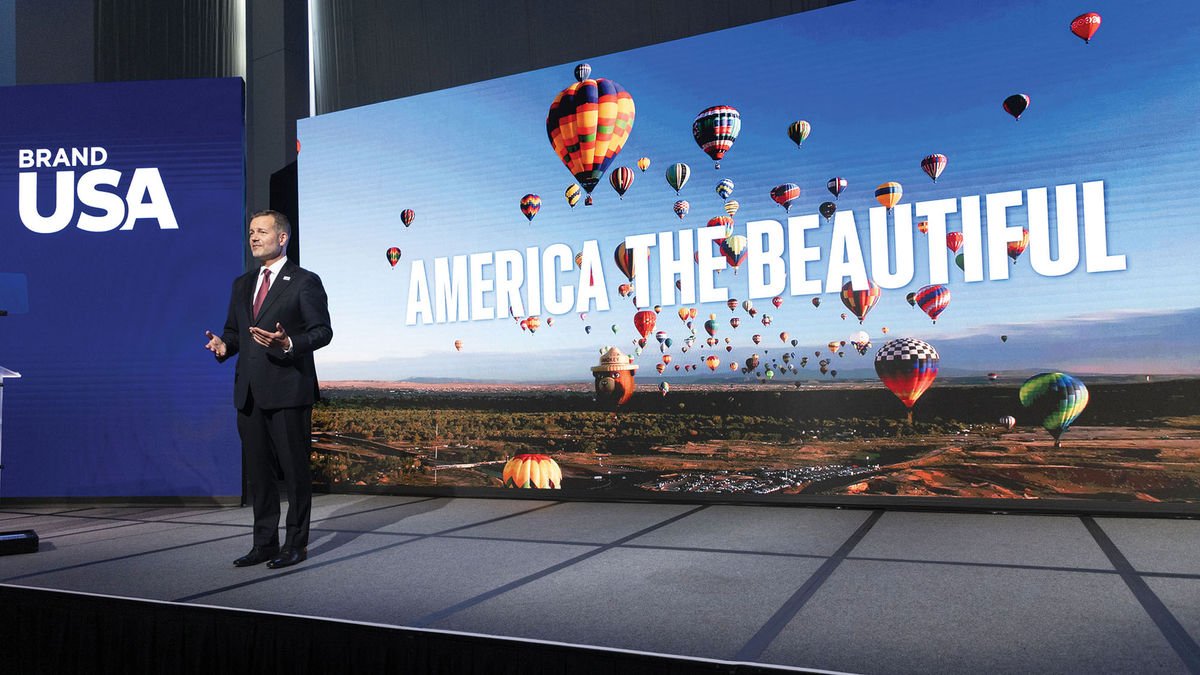
Despite the looming uncertainty, Brand USA continues to move forward with a new marketing campaign aimed at enhancing inbound travel from international visitors. With these developments unfolding, the travel sector closely monitors the situation as the agency seeks to bolster America’s position as a tourist destination.

