

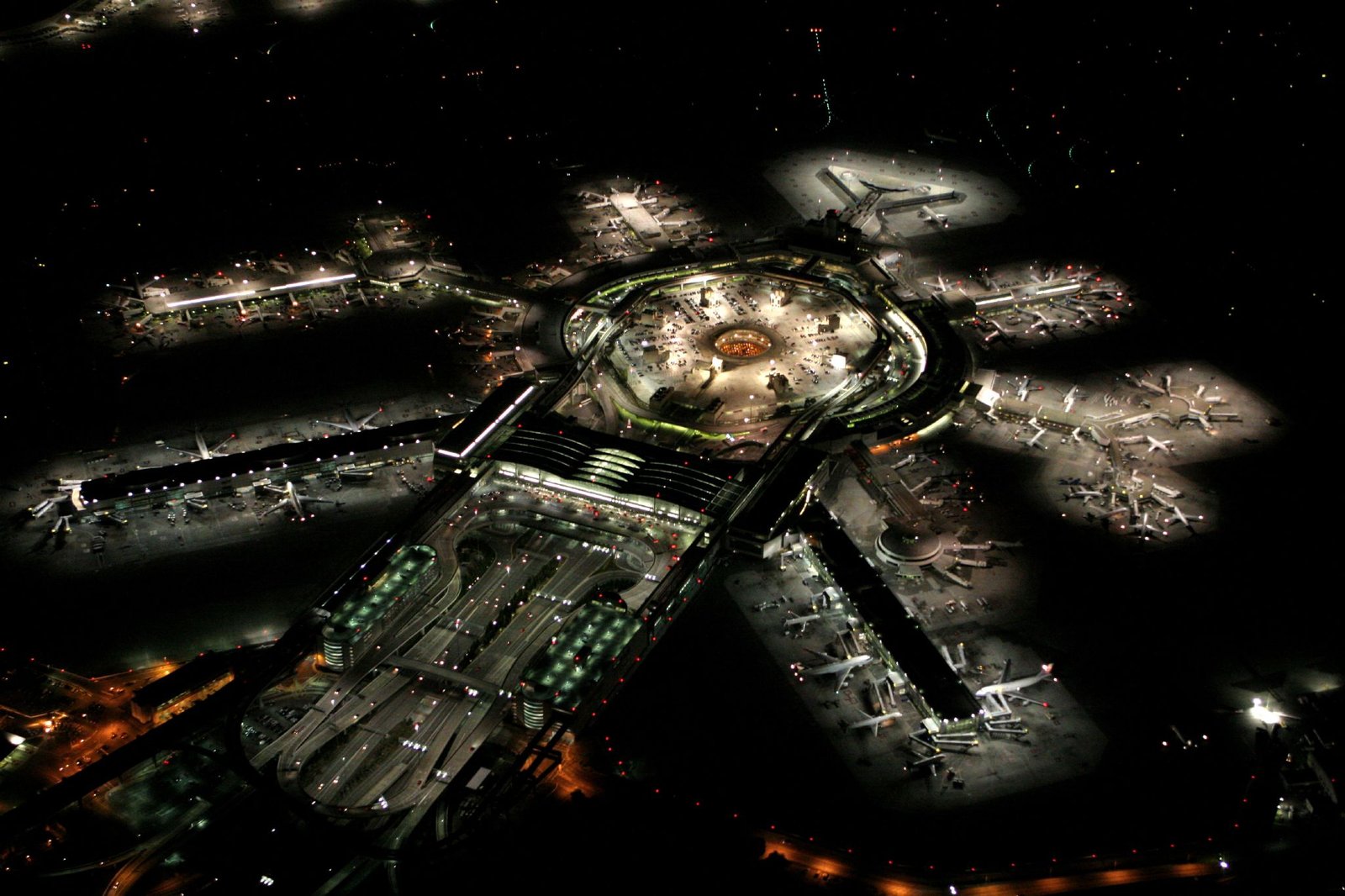
San Francisco Airport Arrivals Reduction Announced by FAA Amid Runway Work
In a significant development that will impact thousands of travelers, the Federal Aviation Administration (FAA) has implemented a substantial San Francisco airport arrivals reduction at one of the West Coast’s busiest aviation hubs. This operational adjustment, effective immediately, temporarily reduces hourly arrival slots at San Francisco International Airport (SFO) from 54 to 36 until early October, coinciding with crucial runway construction work. The decision means travelers should prepare for potential delays of up to 30 minutes or more on nearly 25% of all flights during this period.
Safety Concerns Drive San Francisco Airport Arrivals Reduction
The FAA’s decision centers on legitimate safety concerns regarding SFO’s closely spaced parallel runways, separated by just 230 meters (750 feet). Ian Gregor, an FAA spokesman, emphasized that managing simultaneous landings on these parallel runways, combined with the dense airspace above the San Francisco Bay Area, created unacceptable risk levels. “Officials concluded that SFO’s practice of simultaneously landing two planes on closely spaced parallel runways, combined with the congested airspace, posed too significant a safety risk,” Gregor explained.
This proactive measure demonstrates the FAA’s commitment to maintaining the highest safety standards in aviation operations. The timing coincides with essential infrastructure improvements that will enhance long-term operational capacity and safety margins at one of America’s most strategically important airports.
Significant Impact on Airlines and Passenger Operations
As the primary gateway for Northern California and a crucial hub for international travel, SFO’s operational changes will create substantial ripple effects throughout the aviation industry. Major carriers including United Airlines, which operates a significant hub at SFO, and Alaska Airlines face immediate challenges in adjusting flight schedules and managing passenger expectations during this transition period.
Airlines are actively reassessing their route optimization strategies and considering temporary schedule modifications to minimize passenger disruption. Some carriers may redirect certain flights to alternative airports such as Oakland International or San Jose International, potentially affecting traveler convenience but maintaining service reliability.
The reduced arrival capacity particularly impacts transcontinental and international routes, where SFO serves as a critical connection point for travelers heading to destinations across Asia, Europe, and beyond. Business travelers and those with tight connection schedules should allow additional time for potential delays and consider booking earlier flights when possible.
Comprehensive Traveler Preparedness Strategies
Passengers planning to travel through SFO during this period should implement comprehensive contingency planning. The San Francisco airport arrivals reduction affects not only direct arrivals but also connecting flights, creating potential cascading delays throughout the day. Travel experts recommend booking the first available flight of the day when possible, as delays typically compound throughout operating hours.
Travelers should monitor airline notifications closely through official apps and email updates, maintain flexibility in their schedules, and consider travel insurance for critical business trips. The airport authority is working closely with airlines to provide real-time updates and minimize passenger inconvenience during this necessary safety initiative.
Long-term Industry Implications and Future Outlook
Industry analysts view this development as part of broader nationwide efforts to modernize airport infrastructure while maintaining uncompromising safety standards. The San Francisco airport arrivals reduction highlights the complex balance between operational efficiency and passenger safety that airports nationwide must navigate as air travel demand continues recovering and growing.
The construction work, scheduled for completion by early October, will ultimately enhance SFO’s operational capacity and safety margins. Airport officials anticipate that the temporary inconvenience will yield long-term benefits including improved weather resilience, reduced delay propagation, and enhanced overall passenger experience.
The San Francisco airport arrivals reduction represents a measured response to legitimate safety concerns while maintaining essential air service connectivity. As the aviation industry continues evolving, such proactive safety measures underscore the commitment to passenger welfare above operational convenience, setting important precedents for airport management nationwide.

