

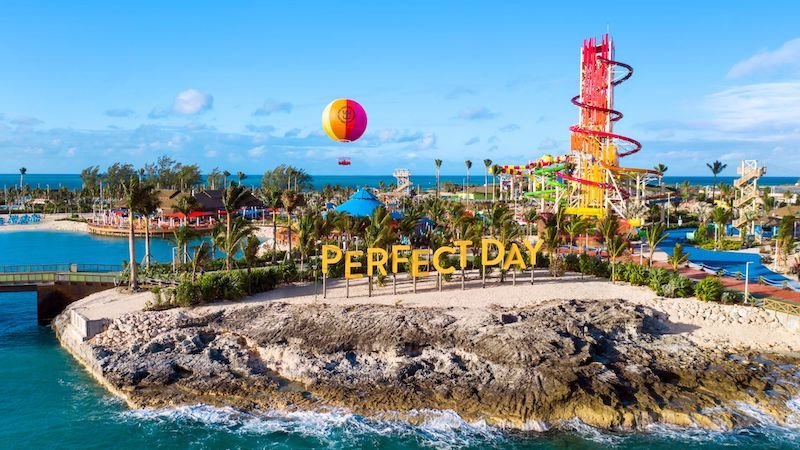
As cruise companies navigate the Caribbean’s dynamic landscape, a compelling trend has emerged: the creation of private destinations. This strategy allows cruise lines to provide immersive experiences while retaining profits and minimizing potential risks associated with traditional ports of call.
Imagine a cruise ship dropping its passengers at a vibrant, self-contained tropical village complete with shops, bars, and exhilarating water slides. This concept not only enhances the guest experience but also ensures that all spending remains within the cruise line’s ecosystem. By offering these exclusive destinations, cruise lines can sidestep issues like overtourism, local objections, and political instability.
Richard Clarke, an analyst quoted on Skift, emphasizes the benefits of this model. He notes, “By visiting only locations owned by the cruise line, cruise companies avoid concerns about whether new and bigger ships can fit into ports, whether locations will have the capacity to absorb guests, and any objections from locals about the economic impact of the cruise.”
The logic is straightforward: if passengers are exiting to enjoy beaches, then owning those beaches becomes essential. This approach mirrors vertical integration within the vacation industry, enhancing profitability and customer experience.
Royal Caribbean is at the forefront of this trend, having launched Perfect Day at Coco Cay on a Bahamian island previously known as Little Stirrup Cay five years ago. This private destination has been widely praised and has paved the way for future projects. Upcoming expansions include the Royal Beach Club Paradise Island, expected to debut in 2025, and the Royal Beach Club Cozumel, set for 2026. Additionally, Perfect Day Mexico, located in Mahahual, south of Tulum, is anticipated to open in 2027.
Not to be outdone, other cruise lines are enhancing their private island offerings. Holland America Line and Carnival Cruise Line have announced plans to upgrade and rename Half Moon Cay to RelaxAway, Half Moon Cay, strengthening their market presence. Moreover, Virgin Voyages contributes to this trend with the Beach Club at Bimini, an exclusive resort for their guests, while MSC Cruises features Ocean Cay Marine Reserve, a sustainable destination that encourages a connection with nature.
As pointed out on Royal Caribbean Blog, private islands are not a new concept; however, offering experiences beyond mere beach access is innovative. Almost all leading cruise lines now boast at least one private destination, and many have multiple locations. “Private islands make good business sense,” media reports say, capturing more customer spending and ensuring quality experiences directly controlled by the cruise line.
With their own private islands, cruise companies are not just enhancing experiences—they are securing their financial futures in an increasingly competitive market. This strategic shift doesn’t just benefit the companies; it also provides unique opportunities for cruisegoers to enjoy tailored experiences that regular ports cannot match.

