

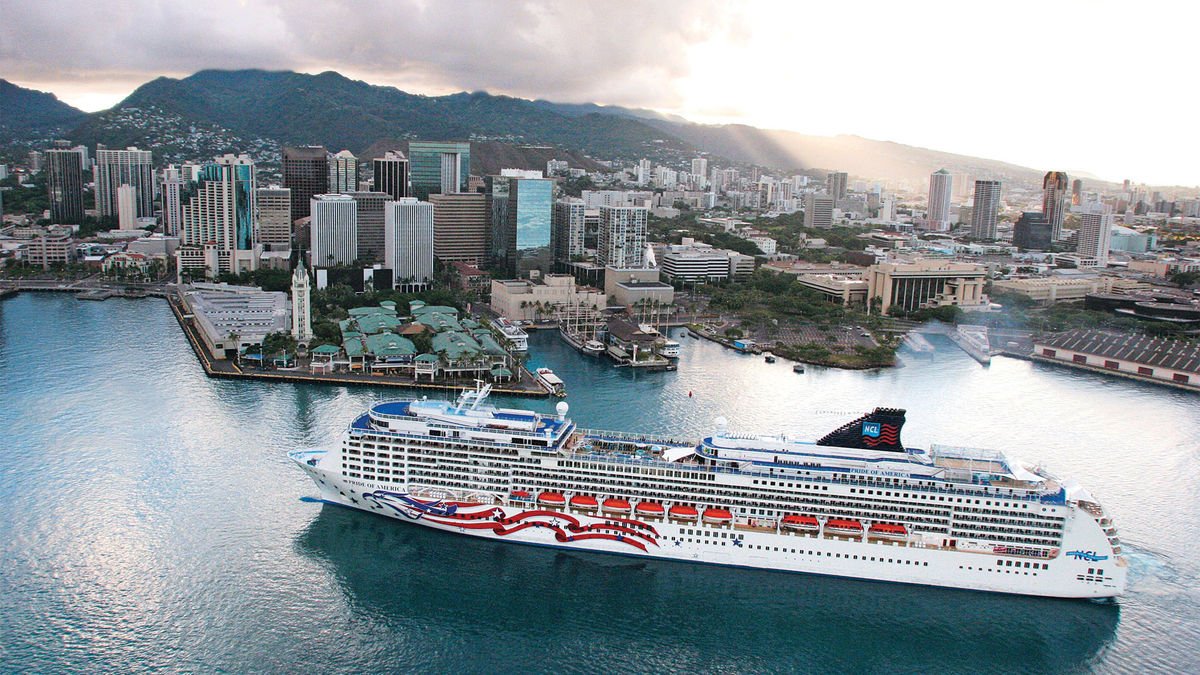
Cruise destinations are increasingly relying on taxes imposed on ships or passengers to generate revenue aimed at mitigating the effects of overtourism. Recently, states and regions like Hawaii, Norway, Mexico, and Skagway, Alaska have implemented new taxation policies targeting cruise vessels docking at their ports.
These taxes are often specifically designated to address the increased burden on local resources due to the surge in visitors since the pandemic. For instance, in Hawaii, revenue generated from cruise ship taxes is allocated toward environmental preservation efforts, including park management and the development of climate-resilient infrastructure. Similarly, in Norway, local municipalities are required to demonstrate that the influx of tourists has strained municipal resources—such as roads and public facilities—to qualify for the new 3% tourism tax that includes a cruise tax, as reported by Forbes.
While the Florida-Caribbean Cruise Association has worked to negotiate a lower tax rate for Mexico’s cruise tax, the Cruise Lines International Association (CLIA) is actively challenging the legality of these taxes. In fact, CLIA has filed a lawsuit against Skagway’s newly introduced tax and has threatened legal action against Hawaii’s tax as well. According to a representative from CLIA, failure to contest these surcharges may embolden other locations to adopt similar charges, which could ultimately lead to significantly higher cruise fares.
Balancing Economics and Quality of Life
The introduction of these taxes places local governments in a delicate position. They must find a balance between being welcoming to tourists and addressing local residents’ needs, as highlighted by Jungho Suh, a management professor at George Washington University. "The community’s hospitality is foundational for attracting tourists, but overtourism has negatively impacted their overall well-being, especially in this post-pandemic era," Suh noted. Policymakers are tasked with gauging the sentiments of both the local community and visitors to achieve an optimal balance.
Typically, cruise tourists tend to spend less onshore compared to other types of travelers, as pointed out by Robert Rosen, a law professor at the University of Miami. Imposing taxes could be a strategic response to offset the lower revenue generated by these visitors. Daniel Guttentag, the director of the Office of Tourism Analysis at the College of Charleston, explained that lawmakers often see tax implications for tourists—who do not have voting power— as less politically risky.
Implications for Cruise Lines
However, the new taxes may have unintended consequences for cruise lines and the destinations they return to. With numerous alternatives for docking, cruise companies might reconsider their routes in favor of port cities that do not impose such charges. "There’s a fierce competition among ports to attract cruise ships," noted Rosen. "For example, Mexico vies with Guatemala, and Caribbean nations compete among themselves." Imposing additional fees can act as a disincentive for cruise lines to choose a location.
CLIA has been vocal about the potential negative effects on local communities, including reduced spending from cruise guests and diminished cruise ship visits. Furthermore, these taxes may push cruise lines to allocate more time to their private islands or convert more days at sea. When forced to accept the added costs, cruise lines are likely to pass the expenses onto customers, as observed by Richie Karaburun, a clinical associate professor at the Jonathan M. Tisch Center of Hospitality at New York University. If a single port raises its rates by $5 or $6, it might be manageable for cruise lines. However, if multiple ports do the same, the collective burden could rise dramatically, making it challenging for companies to absorb the cost without raising cruise fares.
In conclusion, as popular cruise destinations consider imposing new taxes to combat the challenges of overtourism, both tourists and cruise lines must adapt to an evolving travel landscape. The balance between generating revenue and maintaining a welcoming atmosphere remains pivotal for the sustainability of these regions.

